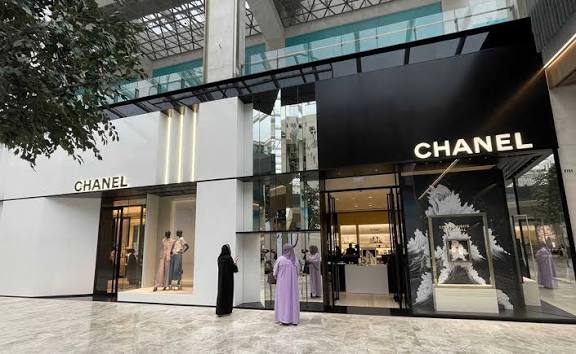
According to Reuters, the escalating conflict between the US-Israel and Iran has directly affected the retail and luxury goods sector in the Middle East. In many major shopping centres, led by Dubai, stores have either closed completely or begun operating with limited staff.
The widening of the conflict earlier in the week and Iranian missile and drone attacks on Gulf states heightened security concerns in the region. Airport closures and suspended flights abruptly halted tourist flows, posing a serious risk to tourist-dependent luxury retail in particular.
Chalhoub Group: Bahrain closed, voluntary staffing elsewhere
Chalhoub Group, which runs around 900 stores in the region including Versace, Jimmy Choo and Sephora, said it had closed its stores in Bahrain. Stores in the United Arab Emirates, Saudi Arabia and Jordan remain open, but staff attendance is voluntary.
Lynn al Khatib, the company's Vice President of Communications, told Reuters that stores were operating "with volunteer teams who feel safe". Senior management was reported to have visited major shopping centres in Dubai to meet employees.
Measures by Amazon, Kering and other global players
According to Reuters and Business Insider, Amazon closed its operations in Abu Dhabi and suspended deliveries across the region. The company also told employees in Saudi Arabia and Jordan to stay at home.
Gucci owner Kering said it had temporarily closed its stores in the United Arab Emirates, Kuwait, Bahrain and Qatar and halted business travel to the Middle East.
Apple's stores in Dubai were said to be temporarily closed, while H&M closed its stores in Bahrain and Israel. Consumer goods maker Reckitt moved all its employees in the region to remote working, temporarily shut its production facility in Bahrain and suspended business travel.
Luxury's growth engine at risk
The Middle East accounts for a relatively small share of global luxury spending. However, according to consultancy Bain, the region was the luxury sector's fastest-growing market last year. With sales slowing in Europe and the US, the Gulf states had become a critical growth area for brands.
But closed airports and security risks threaten tourism-driven sales. Victor Dijon, Senior Partner at Kearney, told Reuters that a month-long shutdown of the USD 5–6 billion travel retail market could mean losses of hundreds of millions of dollars.
LVMH stands out among the brands that have recently invested heavily in the region. The group staged a major Louis Vuitton exhibition in Dubai, while Sephora launched a new beauty brand in Saudi Arabia. Cartier also showcased its high jewellery collection in Dubai.
Meanwhile, value fashion retailer Primark had announced plans to open stores in Dubai, Bahrain and Qatar. The company said it was monitoring developments closely.
European sales may also be affected
According to experts, the risk is not limited to the Middle East. If Gulf consumers are unable to travel to shopping destinations such as Paris and Milan, luxury sales in Europe could also come under indirect pressure.
According to Reuters' assessment, losses in both tourism and retail could mount if the conflict is prolonged. For global brands, the Middle East holds strategic importance because of its high growth potential, even though it accounts for a limited share of total volume.