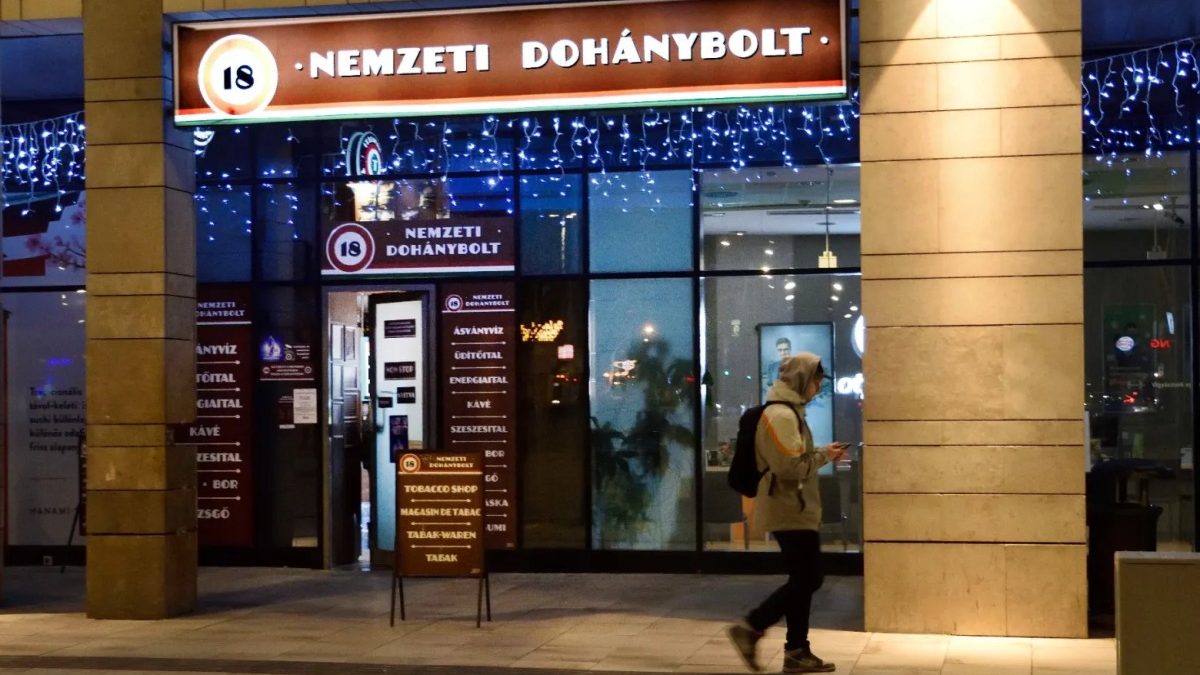
Hungary's government is preparing legislation to end the exclusive concession for supplying the country's tobacco retailers, transport and investment minister Dávid Vitézy announced in mid-November, according to Reuters.
Since 2015 the National Tobacco Retail Supply Company (ODBE) has held the sole right to act as intermediary between tobacco manufacturers and the network of licensed National Tobacco Shops. ODBE is owned by the Hungarian unit of British American Tobacco and Tabán Trafik. The 20-year concession, granted under Viktor Orbán's government, was due to run until 2035. Under the bill, it would end on 1 June 2027.
Vitézy said the aim was to dismantle a privately held monopoly created without competition and to restore transparent regulation. He argued that the exclusive right had been awarded without a genuine competitive process, which he believes is incompatible with EU law. ODBE said it was analysing the draft and would not comment until a final version was published, adding that ensuring security of supply remained its priority.
The changes would directly affect the economics of tobacco retail. Several operators, including manufacturers, would be able to supply shops directly if they meet legal requirements. Retailers' margins would also be linked to the net price of products rather than rising automatically when excise taxes go up, as they do under current rules. The minister said the bill would not directly affect the shop network itself, which the economy ministry is reviewing separately. The bill still has to be submitted to parliament.
The move is part of Prime Minister Péter Magyar's effort to unwind business arrangements made during Orbán's 16 years in power, which critics said favoured politically connected companies. Hungary's state-licensed tobacco shop system, introduced in 2013, restricted tobacco sales to designated outlets and removed cigarettes from supermarkets and petrol stations.