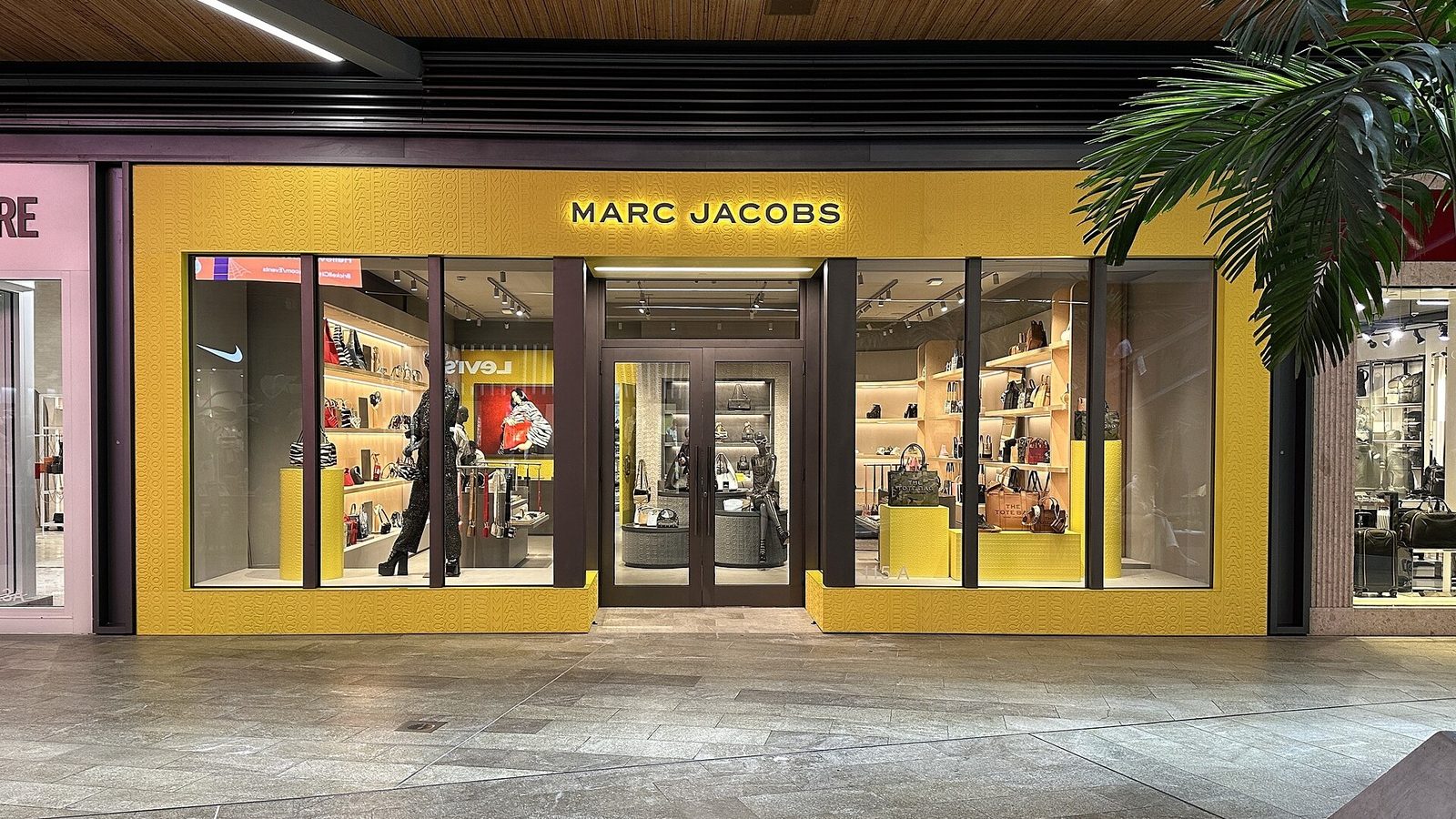
Luxury fashion giant LVMH has decided to transfer Marc Jacobs, a brand it has owned for around 30 years, to WHP Global, which also owns Vera Wang. With the deal, WHP Global further expands its premium fashion portfolio, while the Marc Jacobs brand prepares for a new era.
Marc Jacobs Joins Vera Wang and Rag & Bone Under One Roof
Founded in 2019, WHP Global has attracted attention in recent years for its investments in fashion and lifestyle brands. Its portfolio already includes brands such as Vera Wang, Rag & Bone and G-STAR. With the acquisition of Marc Jacobs, the company has significantly increased its presence in the luxury and premium fashion segment.
WHP Global CEO Yehuda Shmidman described the acquisition as one of the “most important milestones” in the company’s history, stressing that Marc Jacobs is one of the most influential brands in fashion.
Marc Jacobs Will Stay On
Despite the sale, the brand’s founder Marc Jacobs will continue as Creative Director, with the aim of preserving the brand’s creative direction.
In a statement, Jacobs thanked LVMH and the Arnault family for 30 years together, saying: “I look forward to this new chapter with great excitement.”
G-III Apparel Also Becomes a Partner
Another notable aspect of the deal is the involvement of G-III Apparel Group. Alongside WHP Global, the company becomes a co-owner of the Marc Jacobs brand and will also run part of the brand’s global direct-to-consumer (DTC) and wholesale operations.
The financial terms of the sale were not disclosed. The transaction is expected to close by the end of 2026.
A Period of Portfolio Pruning at LVMH
The Marc Jacobs sale is seen as one of LVMH’s strategic responses to the slowdown in global luxury spending. The company has recently been feeling the effect of weaker demand, particularly in fashion and leather goods.
In the first quarter of 2026, LVMH’s revenue fell 6% to €19.1 billion. The Fashion & Leather Goods division, to which Marc Jacobs belongs, recorded a 9% decline.
According to industry sources, LVMH is reshaping its portfolio to focus on “core” brands with stronger growth potential.
WHP Global Expanding Rapidly in Fashion
The Marc Jacobs acquisition is the latest step in WHP Global’s aggressive growth strategy in fashion. The company acquired Rag & Bone in 2024 and then took over the intellectual property rights of Vera Wang. Most recently, it made headlines by acquiring the intellectual property of Lands’ End and a 50% stake in the company.
Today WHP Global manages more than 15 brands, with a portfolio generating annual retail sales of more than $8.5 billion in over 80 countries. The company made its name globally with its revival of the Toys “R” Us brand.
Retail EMEA’s View
LVMH’s sale of Marc Jacobs is seen as one of the key moves signalling a shift in the balance of power in luxury fashion. That Marc Jacobs, once positioned as “the next great fashion house”, has now landed on the radar of growth-focused brand management companies marks a notable turning point for the industry.
The most striking aspect of the sale is that Marc Jacobs will now sit in the same portfolio as brands such as Vera Wang, Rag & Bone and G-STAR. This clearly signals WHP Global’s ambition to move beyond licence management and become a global fashion player.
For LVMH, the sale is being read as a strategy of “focus” rather than retrenchment. With the slowdown in global luxury spending continuing, the group is believed to want to channel its resources into its strongest brands, such as Louis Vuitton and Dior.
The fact that Marc Jacobs will remain as creative director stands out as the most important reassurance for preserving the brand’s identity. Given the rapid turnover of creative directors in fashion in recent years, the decision is seen as important for retaining the brand’s existing customer base.