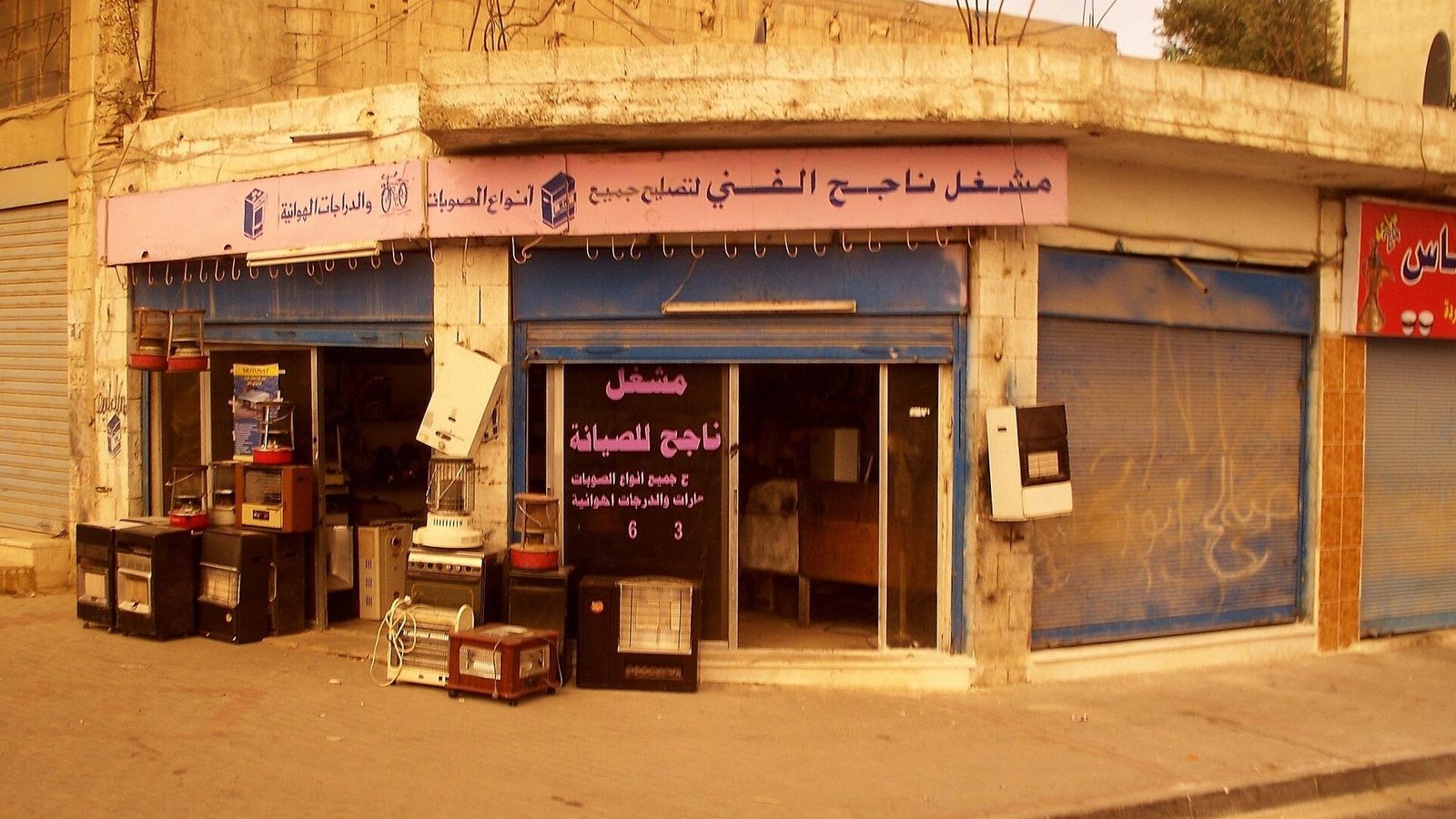
Sales of electrical appliances and lighting in Jordan have been "moderate" since the start of 2026 compared with previous years, according to Hatem Zoubi, who represents the electrical and electronics sector at the Jordan Chamber of Commerce (JCC).
Speaking to Petra news agency on 15 August, Zoubi said local prices had held steady even though retailers and importers faced higher operating costs, more expensive transport and insurance, delayed shipments and rising prices in countries of origin, all linked to regional political and security tensions. Some importers and wholesalers were selling at cost to keep goods moving, he said.
A key drag on volumes has been tighter credit. Zoubi said sales of some types of appliance had fallen because importers and wholesalers had stopped offering goods on credit terms, removing a channel that many smaller retailers relied on. Stock levels were nevertheless high, he said, and strong competition between importers sourcing from many different countries was benefiting consumers.
Zoubi also criticised what he called misleading social-media advertising, saying it was being used to manipulate prices and was hurting traditional shops. He stressed that imported appliances and lighting products are subject to ongoing testing and oversight by the Jordan Standards and Metrology Organization.
The JCC is working with Jordan Customs to speed up the clearance of goods, and with the Ministry of Industry, Trade and Supply and the Ministry of Energy and Mineral Resources to remove obstacles facing traders. It is also pressing authorities to regulate import and distribution more closely and to tackle counterfeit products.
According to Zoubi, the sector comprises more than 3,000 merchants in Amman and the governorates and provides about 25,000 jobs, making it a cornerstone of Jordan's commercial economy.
The comments echo those from other parts of Jordanian retail in 2026, where trade bodies have reported steady but subdued demand, cautious household spending and higher import costs. Big-ticket categories such as appliances tend to be among the first to feel the effects when consumers become more cautious and access to credit narrows.