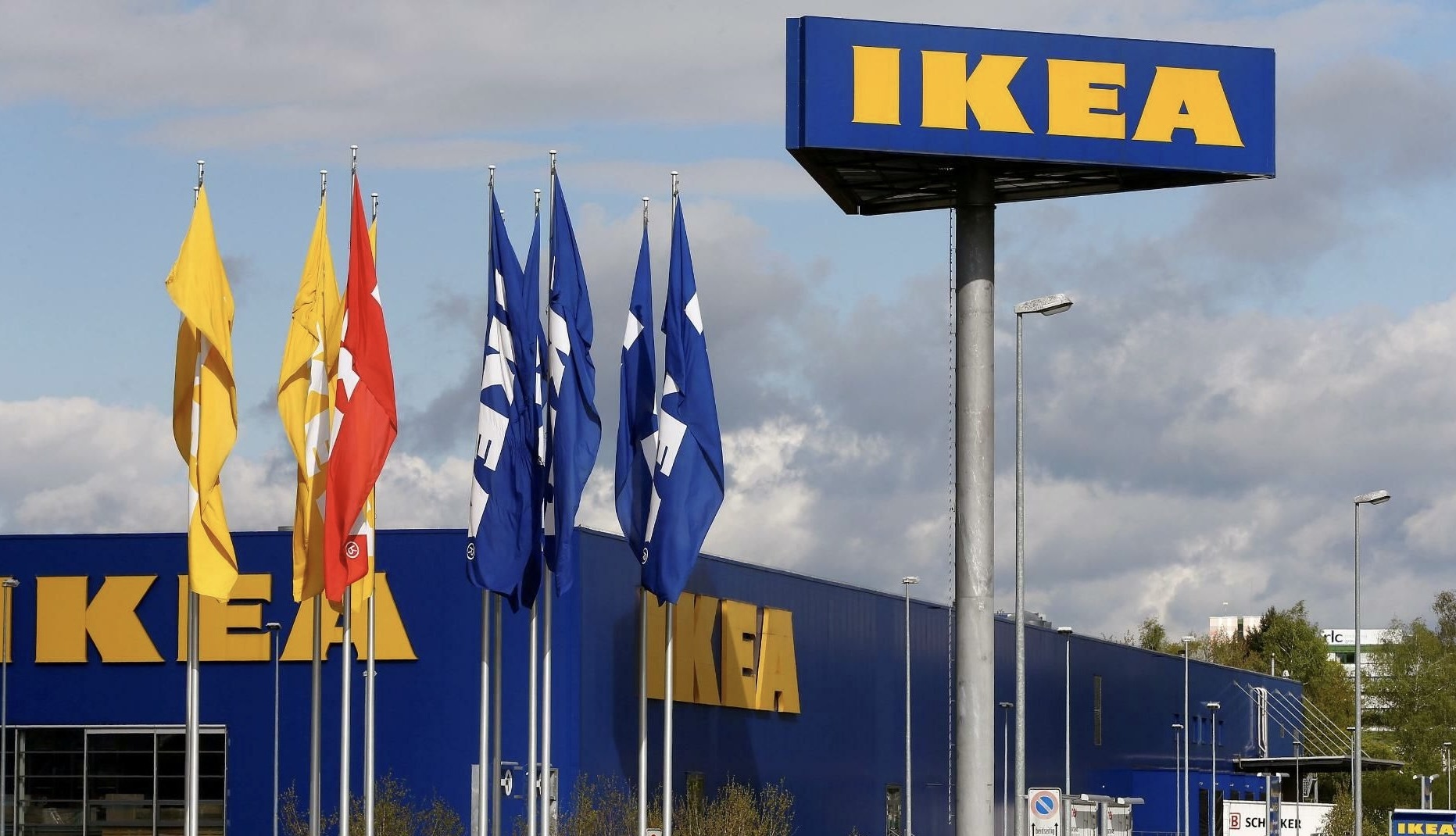
IKEA’s global sales have declined for the third consecutive year. Cautious consumer spending and weakness in some markets have led the company to reshape its pricing policy. The brand is investing €1.2 billion to cut prices on more than 1,000 products in Europe, while also preparing to increase the number of its small city stores.
In the financial year ending 31 August, Sweden-founded furniture retailer IKEA saw global sales fall 2% to €43.8 billion, down from €44.6 billion the previous year. Despite growth in Europe and Latin America, weak performance in China and the Middle East weighed on total sales.
Revenue at Inter IKEA, which owns the IKEA brand and supplies products to franchise stores, also fell 2% to €25.9 billion. Its net profit declined 7% to €1.4 billion.
Inter IKEA CEO Jakub Jankowski warned that weak consumer confidence and geopolitical uncertainty could continue to put pressure on the company’s sales and profitability. Assessing current market conditions, Jankowski said the coming financial year could also be challenging.
Price Cuts on More Than 1,000 Products
IKEA has made strengthening its price competitiveness a top priority in response to consumers’ reduced purchasing power. In September, the company announced a €1.2 billion investment to lower prices on more than 1,000 products in Europe.
Covering more than 20 European countries, the move brings discounts of up to 25% on selected products. Some of IKEA’s best-known product ranges, such as the Billy bookcase and Kallax storage units, are among those affected by the price adjustment.
Jankowski said the approach is not just a short-term promotion but is aimed at strengthening IKEA’s long-term value-for-money perception and its affordability promise.
The company made a similar price cut in 2023. Those reductions, which followed rising shipping and production costs during the pandemic, initially put pressure on sales revenue and profitability.
From Big Box Stores to City Centres
Another major change in IKEA’s growth strategy concerns its store formats. Having traditionally grown through large out-of-town stores, the brand is putting more emphasis on smaller city-centre stores to reach consumers who do not own a car or find it difficult to get to large stores.
The company opened around 90 small-format stores in the past financial year and aims to increase new store openings by 50% in 2026 and 2027. Its Oxford Street store in London is one of the standout examples of IKEA’s shift towards urban retail.
According to Jankowski, the changing shopping habits of urban consumers require changes not only in store locations but also in product strategy. Plans include refreshing product collections more frequently and offering options that respond more quickly to seasonal needs.
Cost Pressures and Cautious Consumers on the Agenda
IKEA’s price-led growth strategy is being pursued amid pressure from rising logistics and energy costs. Consumers who are cautious about spending on furniture and home improvement are also making a recovery in demand across the sector more difficult.
The key challenge for the company will be to maintain profitability while lowering prices to boost customer traffic and sales volumes. How far IKEA can respond to changing consumer expectations by managing pricing, investment in small stores and the pace of product renewal together will be closely watched.
Retail EMEA’s View
IKEA’s third consecutive year of falling sales is one of the key examples of how consumer behaviour is changing in global retail. Furniture and home living is a category in which consumers can postpone spending, choose to use their existing products for longer and scrutinise value for money more closely in new purchasing decisions. It is therefore not enough to explain IKEA’s decline by economic conditions alone. What is most striking is that, despite its strong brand awareness, extensive store network and global purchasing power, the company needs a price investment as large as €1.2 billion to get consumers moving again. The move also brings back to the fore a truth long debated in retail:
Price is no longer just one competitive tool; it sits at the heart of the value relationship with the consumer. But what matters in IKEA’s case is that price cuts are not seen as sufficient on their own. The company’s move towards small city stores, its plan to refresh product collections more often and its focus on seasonal needs show that it is redesigning both access to consumers and the shopping experience. The lesson for the retail sector is clear: store formats, pricing policies and product strategies that worked in the past may not deliver the same results with today’s consumers.
Rather than simply running promotions to drive more sales, brands need to understand afresh consumers’ changing budgets, shopping frequency, expectations of access and purchasing motivations. The real test for IKEA will be maintaining brand value and profitability while increasing customer traffic through lower prices. Because in the new era of retail, the challenge is not just to draw customers into the store, but to give them a compelling reason to buy again.