Retailers in Cyprus enjoyed a solid summer in 2026, but shoppers are becoming increasingly careful about how and where they spend, according to industry representatives quoted by the Cyprus Mail.
Marios Antoniou, secretary-general of the Pasyle retail association, said footfall and turnover had been at very strong levels, with July and August performing particularly well. He argued that the first eight months of the year give a representative picture of 2026 as a whole. Official Cystat figures for June showed the volume of turnover among retailers selling mainly food, drink and tobacco rising by 4.9% in the first half of the year.
Antoniou pointed to several drivers. Tourism and the seasonal sales were the most important, he said, while back-to-school purchases were expected to provide a third boost from late August, peaking in the first week of September. He also highlighted the contribution of foreign residents, including Israeli, Russian and Ukrainian nationals living and working on the island, who have added to the consumer base.
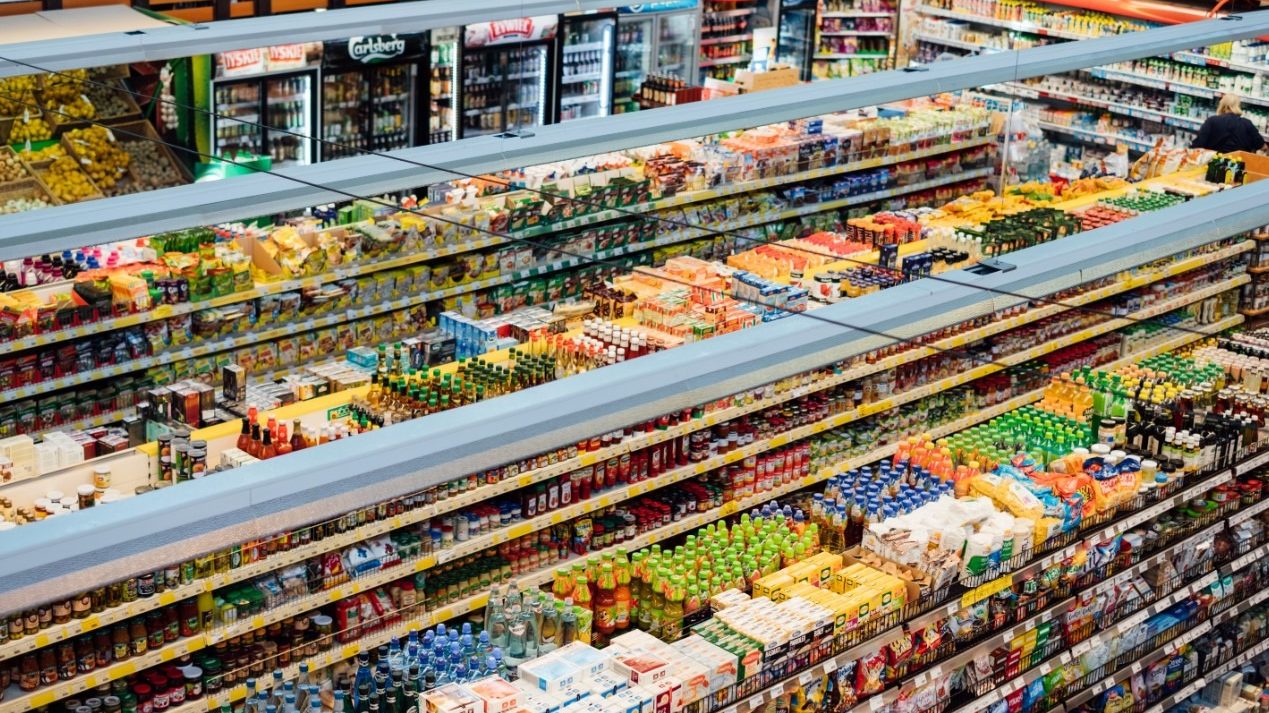
In grocery, however, behaviour is shifting. Andreas Hadjiadamou, executive secretary of the supermarkets association, said consumers were visiting stores more often but buying less on each trip. Many now split their shopping across several outlets, from large chains to neighbourhood supermarkets, in order to take advantage of promotions.
That caution reflects persistent price pressure. Cystat data for July showed the harmonised index of consumer prices up 4.4% year on year. Food and non-alcoholic drinks were 4.5% more expensive than a year earlier, housing and electricity costs rose by almost 7%, and restaurants and accommodation by nearly 12%. Clothing and footwear was the exception, with prices down more than 5%, a sign of heavy discounting in fashion.
The report also noted the growing role of private-label products in neighbouring Greece, where they account for about 26% of food turnover, although no comparable figure is published for Cyprus. Several Cypriot grocers, including Alphamega and Lidl, have been expanding their own-brand ranges as consumers look for cheaper alternatives to national brands.