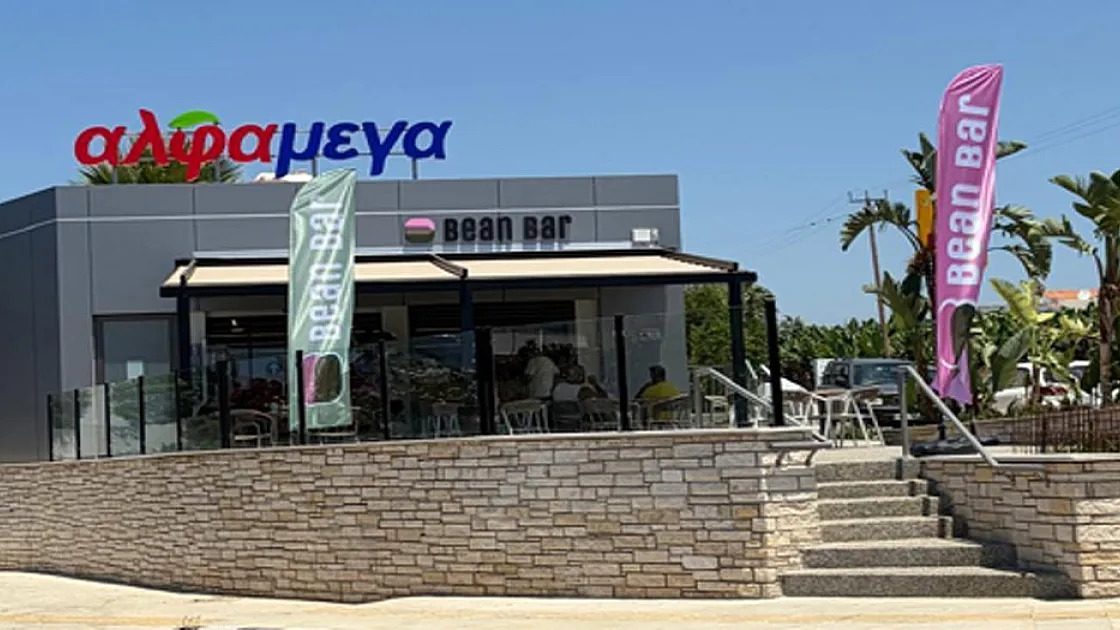
Alphamega Hypermarkets, which describes itself as the largest supermarket chain in Cyprus, has opened a new store in Peyia in the Paphos district, extending its smaller Express format to the island's west coast. The company said the store is the 22nd in its network.
The shop sits close to the Cap St Georges Hotel & Resort and is pitched at both local residents and the large number of holidaymakers who stay in the area during the tourist season. It follows two earlier Express openings at Ayia Napa Marina and Limassol Marina, both of which also serve a mix of visitors and residents in locations where a full-size supermarket would not fit.
According to the company, the range is built around everyday top-up and on-the-go needs: bakery products, pre-packed delicatessen items, snacks, ice cream, drinks and personal care goods. Alongside branded lines, the store carries Alphamega's own private-label ranges. Customers can also order coffee and other items from the group's Bean Bar concept through a mobile app and pick them up in store without charge. The store trades seven days a week, from 7am to 10pm.
For products that are not stocked in the compact shop, Alphamega is directing shoppers to its online store. In an interview at the start of 2026, chief executive George Theodotou said the chain's e-commerce operation already generates sales equivalent to a large physical store and that click-and-collect was growing quickly. At the time, the company reported 21 stores and more than 1,800 employees, and it had recently acquired Foody Express, a move Theodotou described as strategic for online delivery.
The Peyia opening reflects a broader push by Cypriot grocers into smaller, convenience-led formats in tourist areas, where seasonal demand is high and shoppers often want ready-to-eat food rather than a full weekly basket. Paphos has been one of Alphamega's growth areas in recent years, following earlier openings in the district.
The Cypriot grocery market is competitive, with Alphamega facing Lidl, Sklavenitis, METRO and a large number of independent and neighbourhood supermarkets. Industry representatives have noted this year that consumers are shopping more frequently but spending less per visit, and are increasingly comparing offers across several retailers.