Croatian households are shopping less often but spending more each time, according to YouGov's shopper panel data for the first half of 2026, published in October. The fast-moving consumer goods market reached €3.1bn in the period, up 4% year on year and almost 17% higher than in the first half of 2023.
The average household made 137 shopping trips in the first six months of 2026, down from 155 in the same period of 2023. Purchased volumes stayed broadly stable, while the average basket rose to €15.80, an increase of 8% on 2025 and 32% compared with 2023, reflecting both higher prices and consolidation of trips.
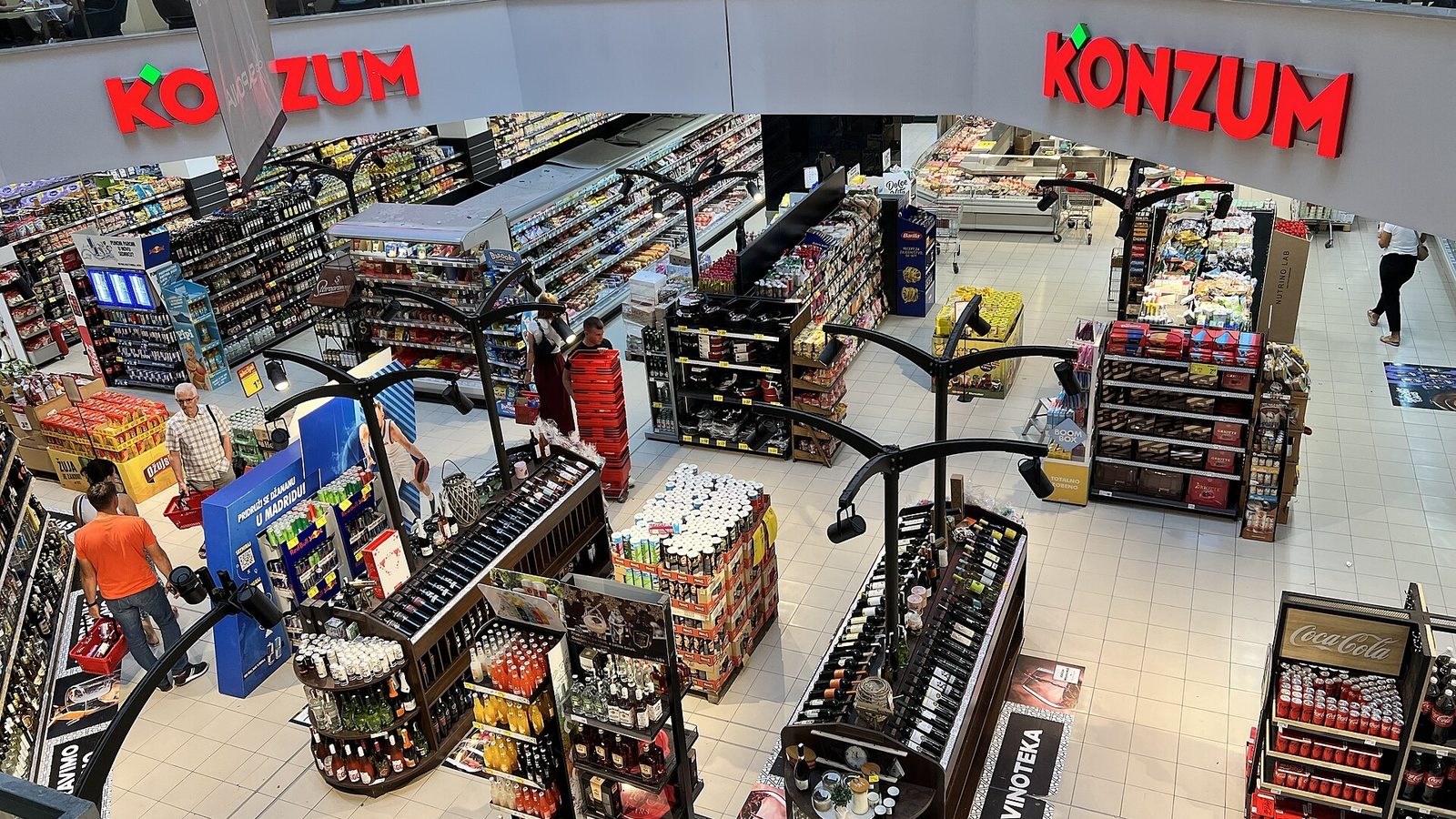
Konzum remained the most widely used grocer, reaching 93% of households. Lidl was a strong second and saw shoppers visit more frequently. Italian discounter Eurospin recorded the strongest growth in penetration, up 21% year on year to reach almost half of Croatian households, while Spar added the largest absolute number of new shoppers compared with 2024.
When choosing where to shop, Croatians ranked the quality of fresh produce, value for money and a convenient location as the leading factors, each cited by 55% of respondents. Value for money showed the biggest increase in importance since 2024, and almost half of shoppers said they wanted more affordable everyday essentials.
The research also found that 48% of Croatian consumers use artificial intelligence tools while shopping, slightly above the European average, mainly to compare prices, find promotions and gather product information.
The findings point to a more value-driven and deliberate shopper, a trend that favours discount formats and retailers with strong loyalty and promotion programmes. They come in a year of upheaval in Croatian grocery retail, with Studenac, the operator of the largest store network, entering pre-bankruptcy proceedings in September.