The global apparel industry has for decades been built on a “seasonal illusion”: launch at least six to 12 new collections a year, shoot million-dollar campaigns with celebrities, break speed records chasing TikTok trends, and embark on margin-wiping discount frenzies to clear leftover stock.
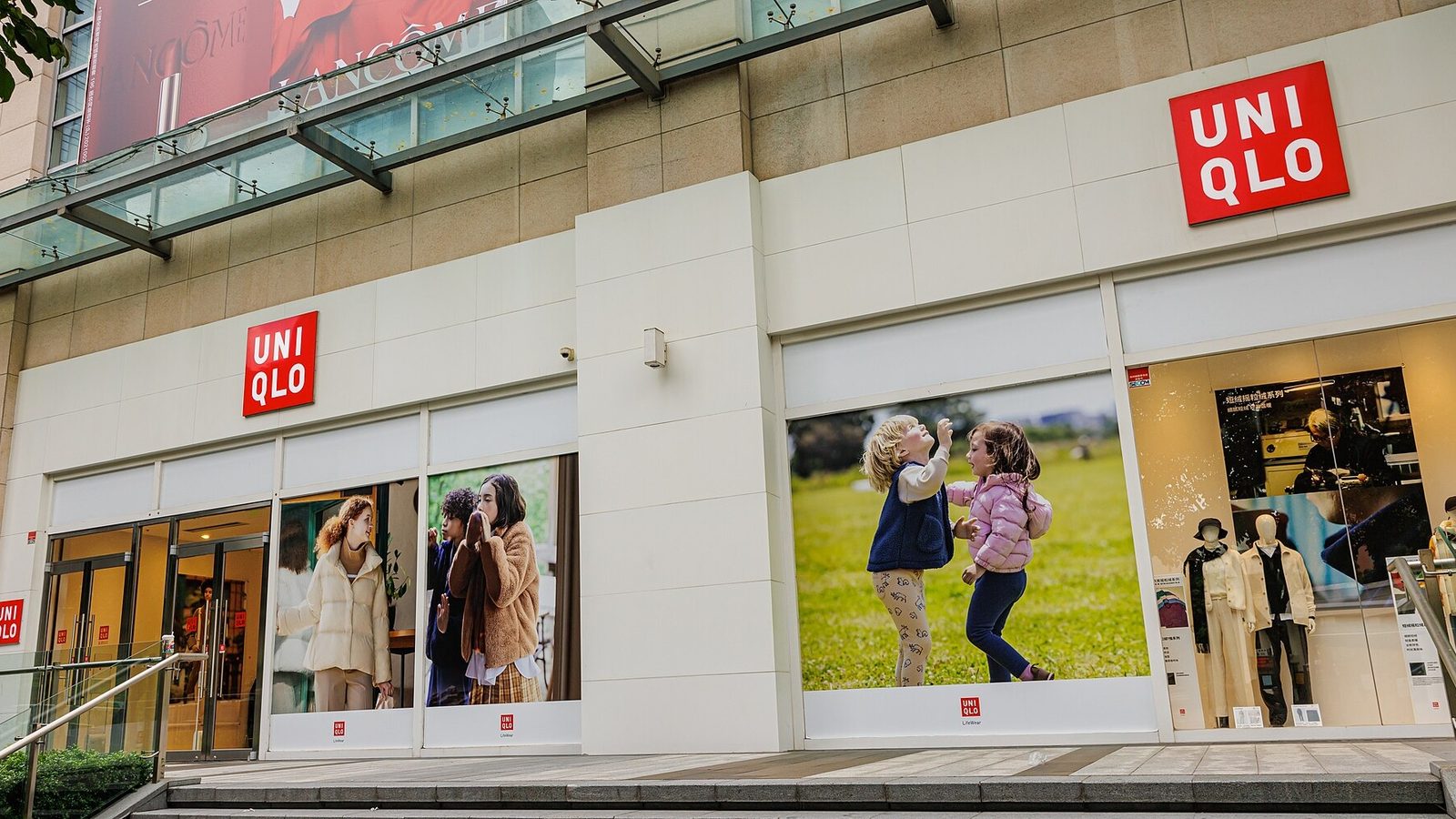
Yet Uniqlo, part of Japanese retail giant Fast Retailing, has upended all these received wisdoms and set a historic record for the fifth consecutive year. The company’s annual consolidated revenue rose 17% to €22.4 billion, while operating profit jumped an exceptional 32% to €4.2 billion. What’s more, this record profitability was achieved not through an unchecked store-opening spree but, on the contrary, by maximising operational efficiency with fewer stores in its global network.
Traditional market observers still try to explain this picture with the “cheapness” argument. But in apparel, H&M and Mango are also cheap, and Shein, Temu and contract-manufacturing platforms are even cheaper. What sets Uniqlo apart is not price competition; it is that it has built “three operational flywheels”, something almost no independent brand has achieved, and turned them into a flawlessly engineered system.
Flywheel 1: “Audience” – The Discipline of Rejecting Trends
While the fashion world goes through a “who are we dressing this season?” crisis every six months, Uniqlo decided who its target audience was in 1984 and never compromised on that strategic choice. Rather than following fashion’s passing trends, the brand consciously rejected them. Its timeless “LifeWear” philosophy, appealing to every age, every body and every social class, was born of exactly this vision.
It is no coincidence that Uniqlo managed to grow its operating profit by 18% even in China, a market where consumer confidence has been hit and luxury and mid-market brands are in decline. The brand positions itself not around seasonal whims but as essential infrastructure for everyday life.
Flywheel 2: “Product” – 25 Years of Materials Engineering Instead of Collection Mania
A typical clothing brand spends a fortune on design departments to create hundreds of new SKUs that customers have not asked for, yet never thinks of improving the core product that actually sells.
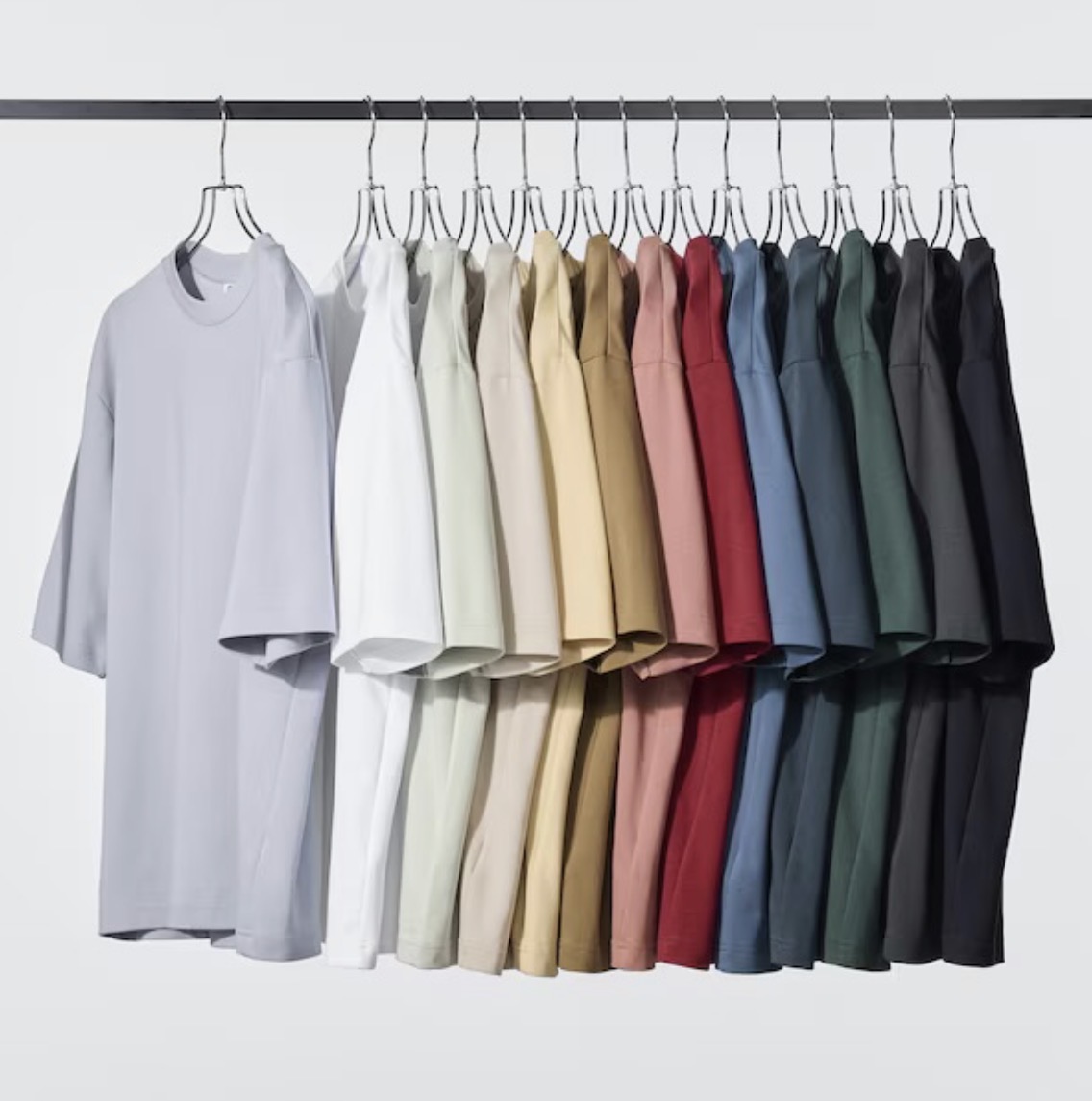
Uniqlo, by contrast, has kept essentially the same T-shirt and basics at the centre of its offer since 2003. What changes is not the design itself but the technology of the fibre, the stitching and the fabric. The real engine behind the brand is a quarter-century strategic partnership with Japanese chemicals and advanced polymers giant Toray Industries, dating back to 2000. At R&D facilities near Kyoto, walking tests are carried out in artificial climate chambers simulating tropical rain and humidity, and the sweat-wicking, quick-drying or heat-retaining performance of a single T-shirt is refined at micron level. Billion-dollar product families such as Heattech, AIRism and Ultra Light Down were shaped not on a designer’s drawing board but in 25 years of materials science laboratories.
Flywheel 3: “Loop” – Locking the Customer into the Ecosystem
In traditional retail, contact with the customer ends the moment the product leaves the till, and brands burn huge digital advertising budgets (CAC) to bring the same customer back into the store. Uniqlo, however, runs a closed-loop loyalty and recycling network.
In its stores in Japan and selected global markets, customers who bring in a worn-out Uniqlo jacket or garment instantly receive a ¥500 discount coupon at the till. While handing over their old item for recycling, customers pocket the capital for their next purchase. The collected items are turned back into yarn and raw materials at Toray facilities. This both balances raw material costs and brings customer acquisition costs close to zero.
Retail EMEA’s View
The biggest drain on profit in textile and apparel retail is the obligation to “start from scratch” every season. No business that changes its store concept, window mannequins, design language and agency at the end of each season, and fills its warehouse wondering “what will sell this summer?”, can generate capital efficiency in the medium term.
The record €4.2 billion operating profit Uniqlo has achieved by refining the same core templates since 2003 shows that the rules of retail are being rewritten: lasting profitability comes not from constantly inventing new products, but from combining a small number of perfected core products with a clear target audience and a circular customer ecosystem.
Remove any one of these three flywheels and the system collapses, forcing the brand to prove itself all over again every season. For apparel and fashion retailers in markets such as Türkiye to escape the discount spiral and contract-manufacturing mindset, it is essential to focus on fabric innovation, core product standardisation and loyalty ecosystems rather than chasing seasonal trends.
- Fast Retailing Co., Ltd. Global Financial Results & Annual IR Reports
- Toray Industries & Fast Retailing Strategic Partnership Declarations (“The Art and Science of LifeWear”)
- Uniqlo Re.Uniqlo Circular Sustainability Initiatives