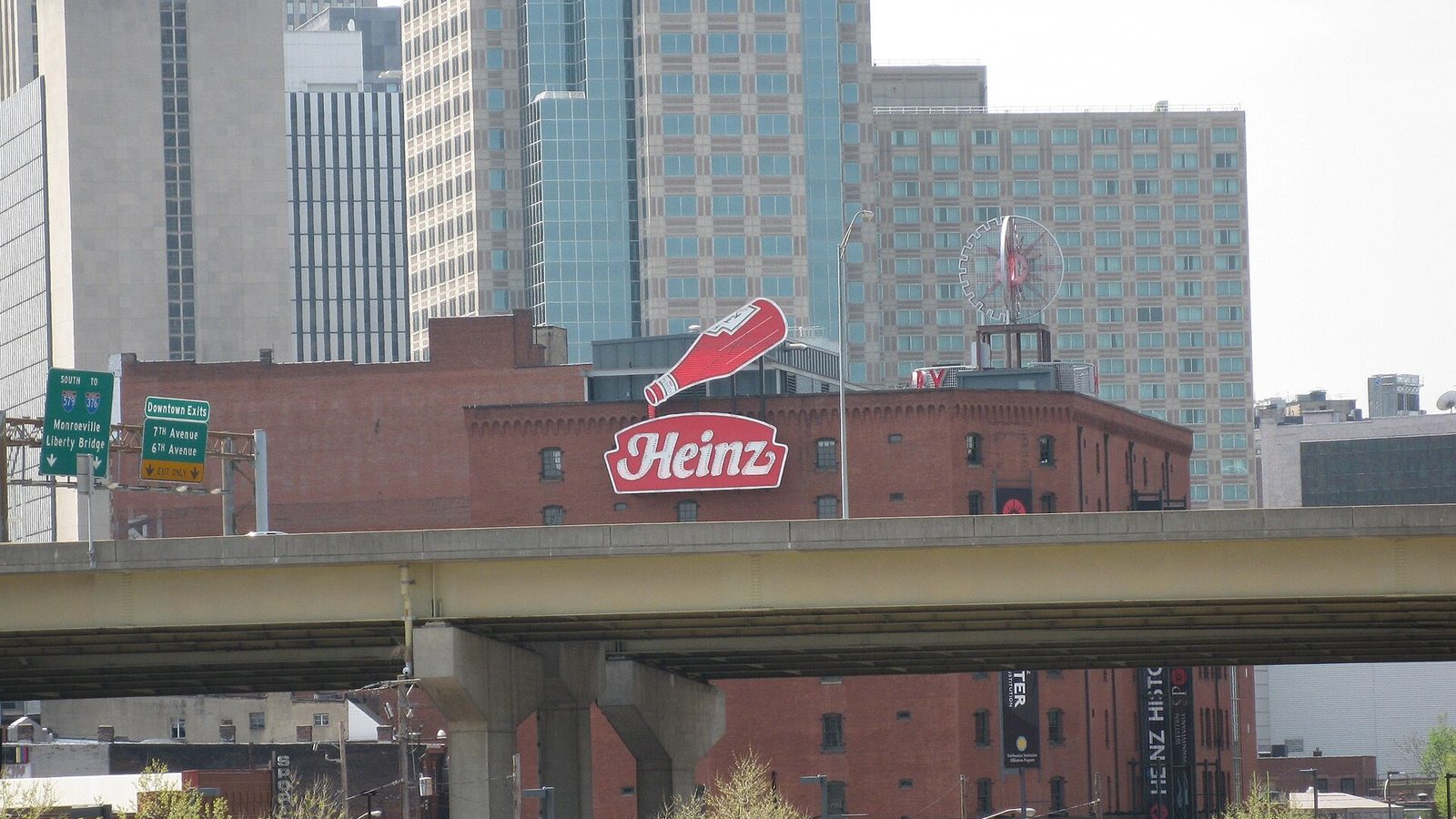
It has emerged that Unilever and Kraft Heinz held talks on combining parts of their food businesses. According to the Financial Times, the two sides considered bringing Unilever's food division together with Kraft Heinz's sauces and condiments business. However, the talks have so far been inconclusive.
Could Hellmann's and Heinz have shared a roof?
A potential deal could have created a new business worth tens of billions of dollars. In such a scenario, powerful brands such as Hellmann's mayonnaise and Heinz ketchup would have been brought under one roof.
However, economic uncertainty and weakening demand for packaged food are prompting companies to reconsider their strategic priorities.
A separation option at Unilever
Meanwhile, according to Bloomberg, Unilever is also considering a broader separation of its food assets. The possibility raised "loss of focus" concerns among investors, and the company's shares closed the day lower.
Kraft Heinz's search for transformation
At Kraft Heinz, a previously planned split was shelved in February. New CEO Steve Cahillane said that, given tough conditions in the sector, the company would focus on a USD 600 million transformation investment rather than breaking itself up.
The planned structure would have separated slower-growing grocery staples, "including Oscar Mayer and Lunchables", from the sauces and spreads business, which includes brands such as Philadelphia on the spreads and cheese side.
Consolidation on the agenda
The demand slowdown and cost pressure facing packaged food giants are putting merger and separation scenarios that could create economies of scale back on the agenda. For now, though, both Unilever and Kraft Heinz appear to prefer a more cautious roadmap.
Retail EMEA's view
The possible food merger between Unilever and Kraft Heinz shows that competition on the shelf is now shaped less by brand strength than by portfolio scale and operational efficiency. Building volume in sauces, condiments and staple food categories in particular means strengthening purchasing power, distribution efficiency and promotional muscle.
For retailers, such a business would mean a stronger supplier profile and greater negotiating power in category management. But economic uncertainty and shrinking demand are steering companies towards focus and internal efficiency projects rather than aggressive mergers.
In short, global food giants are now seeking growth not only through acquisitions but through simplification and transformation. That suggests we may see more clearly positioned, profitability-focused brand strategies on shelves in the period ahead.