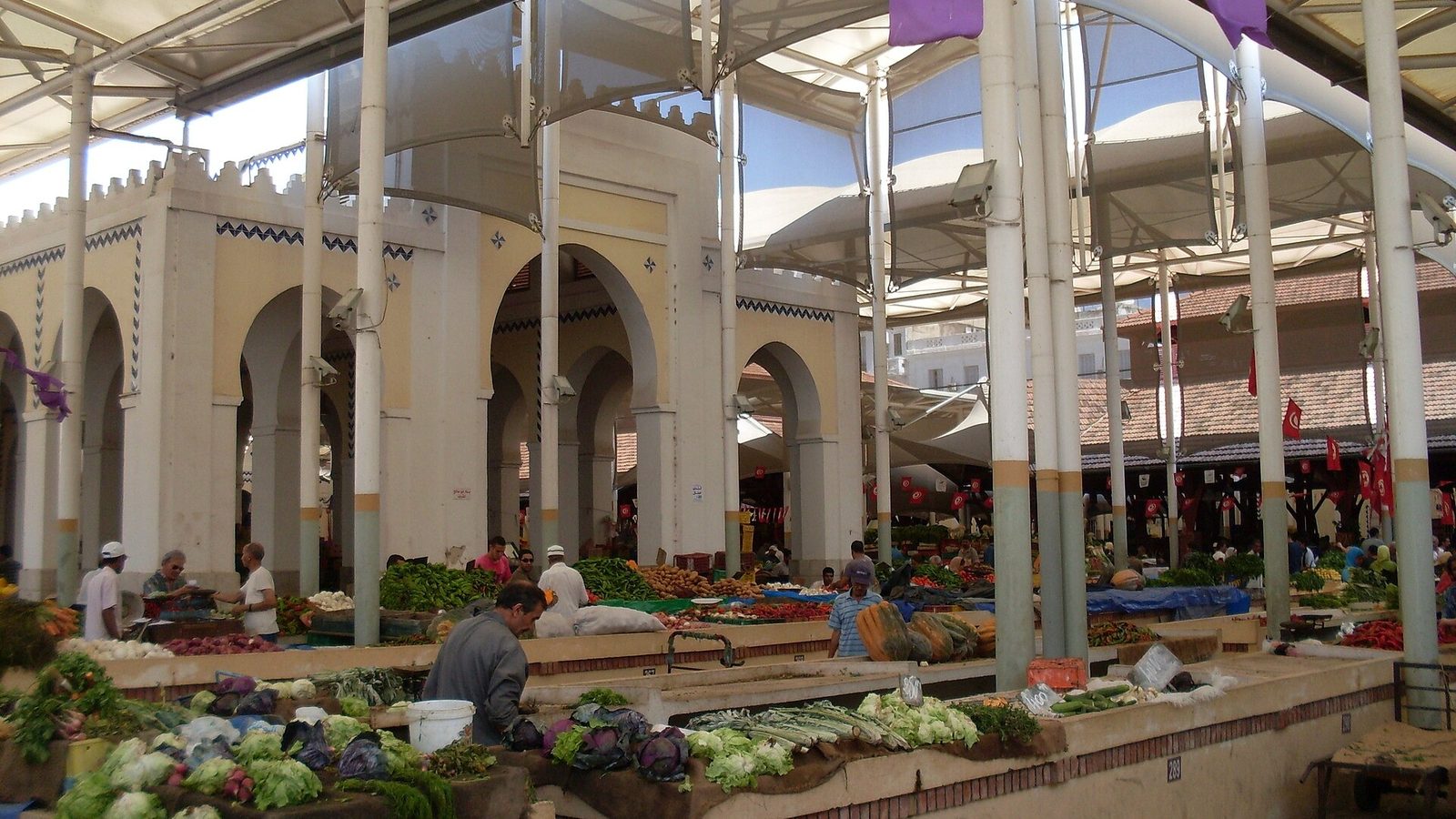
Rising food prices during Ramadan 2026 have prompted calls from Tunisia's main consumer organisation for shoppers to boycott products whose prices have climbed beyond normal levels.
Lotfi Riahi, president of the Organisation tunisienne pour informer le consommateur (OTIC), told national radio in early March that the organisation had received numerous reports of red meat selling for more than TND 60 per kilogram, and urged consumers to stop buying any product whose price had risen abnormally, according to La Presse. He also expressed surprise at increases in the price of locally produced dried fruit such as almonds, in which Tunisia is self-sufficient.
In a further interview published on 15 March, Riahi described tied selling as the most widespread illegal practice during the holy month. Some small shops, he said, were requiring customers to buy additional products in order to obtain butter or sugar, which have been in short supply through official channels. OTIC's Kofti mobile application, which allows consumers to report fraud and overcharging along with the location of the business, had received a few dozen reports, mostly relating to tied sales, misleading advertising and false discounts.
Riahi pointed to Sfax, where a consumer boycott of fish over high prices had led to a rapid fall in prices, as evidence that boycotts can be effective. He also credited the Ministry of Commerce with limiting the sharp price spikes seen in previous Ramadans through caps on prices and profit margins for a number of products.
Shortages of butter and sugar were attributed to stockpiling by pastry makers and to consumers buying in bulk whenever products reappeared. Riahi also raised the diversion of subsidised vegetable oil, sugar and flour to shops, restaurants and pastry businesses, where they are resold at market prices. Suggested remedies included distinctive packaging for subsidised goods, quotas for manufacturers and retailers, and improved traceability.
Large retailers have argued that they help contain prices through promotions. The national chamber of supermarkets said in February that consumption rises by around 25% during Ramadan, with chains offering targeted discounts to support household budgets.