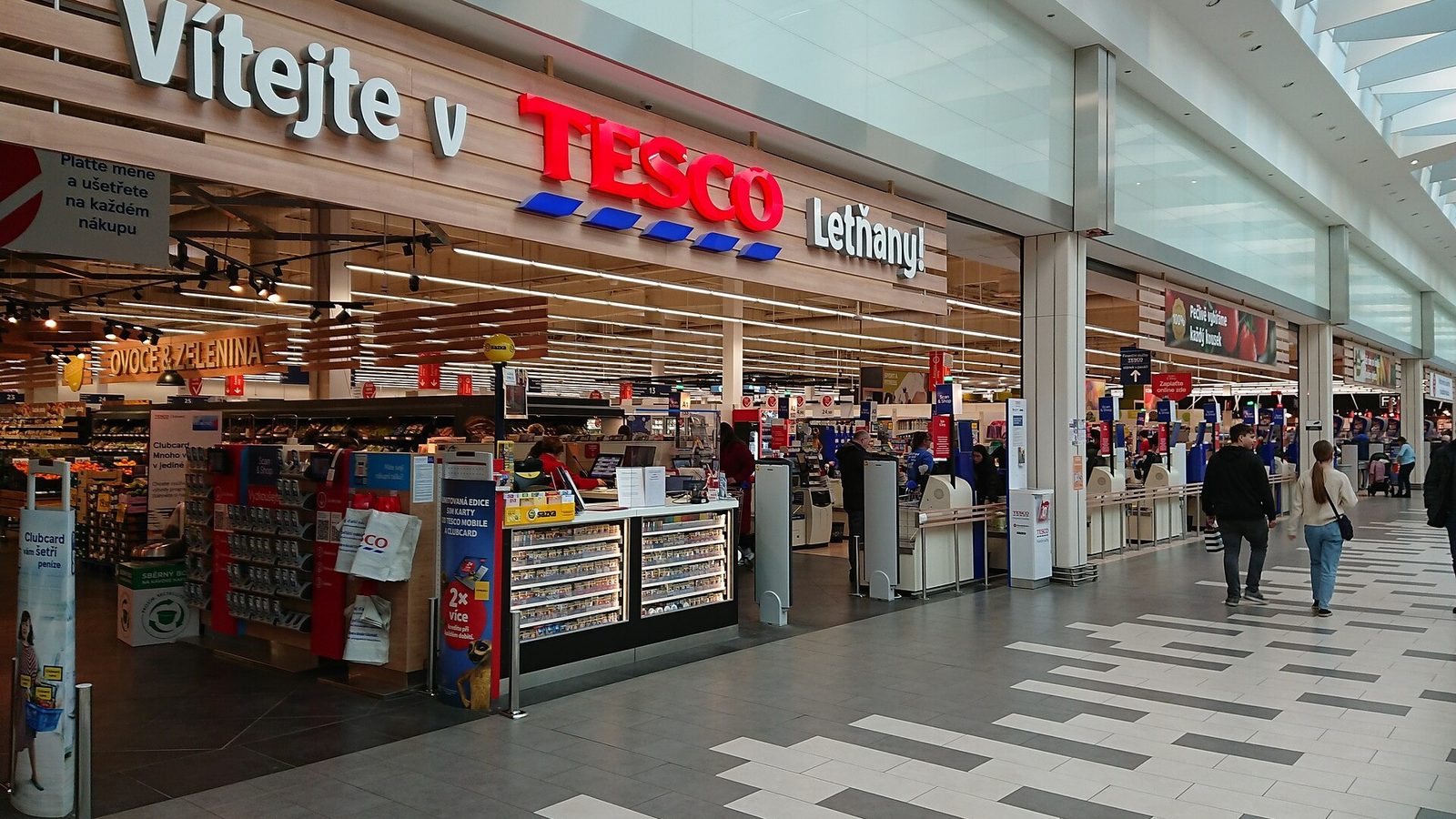
Tesco has reached an agreement to sell its grocery businesses in Czechia and Slovakia to Ahold Delhaize, the Dutch-Belgian group behind the Albert supermarket chain. The deal, announced on 30 October, values the two operations at roughly €1.7bn on a cash-free, debt-free basis, according to reports of the announcement.
Tesco said it expects net cash proceeds of about €1.2bn before tax and transaction costs. The perimeter covers the full store estates in both countries, along with offices and three distribution centres, including a site at Kralupy in Czechia and facilities at Prešov and Beckov in Slovakia.
For Ahold Delhaize the transaction is a significant step in Central Europe. The group already runs Albert in Czechia, and adding Tesco's network is expected to make it the country's largest grocer by market share. Slovakia, meanwhile, will be a new market for the group. Ahold Delhaize's chief executive said the acquisition supports its ambition to strengthen its position across Central and South-Eastern Europe.
The sale ends months of speculation about the future of Tesco's Central European assets. Earlier in the autumn, trade press reported that Schwarz Group, owner of Lidl and Kaufland, and the owner of Poland's Biedronka chain were also among the bidders, underlining how attractive scale positions in the region remain for food retailers looking for growth outside their home markets.
Completion is conditional on competition clearance and other regulatory approvals. Reports differ slightly on the expected timetable, with closing pencilled in for the second half of 2027. Given the combined market share in Czechia, antitrust authorities are likely to examine the deal closely, and remedies such as store disposals cannot be ruled out.
For Tesco, the disposal continues a long-running effort to simplify its portfolio and focus capital on its core UK and Ireland business. The retailer has already exited Asia and Poland in recent years. Its Hungarian operation is not mentioned as part of this transaction in the coverage reviewed by Retail EMEA.
The deal is one of the largest grocery transactions in Central Europe in recent years and will reshape competitive dynamics in a market where discounters such as Lidl and Kaufland, as well as Billa and Penny, compete fiercely on price.