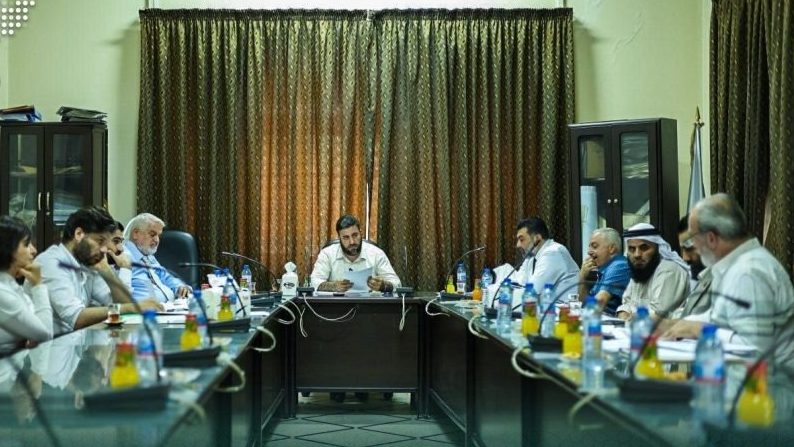
The Syrian Trade Corporation, the state-owned body that runs a nationwide network of consumer outlets and warehouses, has approved its investment plan and budget for 2027, according to the official news agency SANA, as reported by MENA Startup Digest in August 2026.
The board meeting was chaired by Maher Khalil al-Hassan, deputy minister of economy and industry, and attended by director general Amer Qassoum. The plan is intended to improve performance, strengthen investment and make better use of the organisation's assets. The board also approved the sale of stationery and electrical goods to state employees in instalments at discounted prices, and discussed settling outstanding payments to suppliers through offsetting arrangements based on available goods and assets.
Mr Qassoum said the corporation had repaid SYP 115bn of its debts to the private sector and was working to clear the remaining amount by expanding its investment activities. He said the organisation had moved from losses to surpluses and profits by reorganising its real estate and transport fleet, including using its vehicles to carry gas and grain. It also plans to rehabilitate and invest in its refrigeration facilities. Mr al-Hassan urged management to identify profitable investment opportunities and prepare feasibility studies, noting the scale of its assets across the country.
The corporation, formerly known as the Syrian Trade Establishment, was historically used as a market-intervention tool to sell subsidised staples. After the change of government at the end of 2024 its operations were frozen and reorganised, and from 2025 many of its sales halls were offered to private investors through public auctions. Earlier reports put its network at well over 1,000 outlets. In April 2026, Syrian outlet Enab Baladi reported that an outside company would manage 500 of its centres, and commentators have described the shift as a move from a social-service role towards a profit-oriented investment platform.