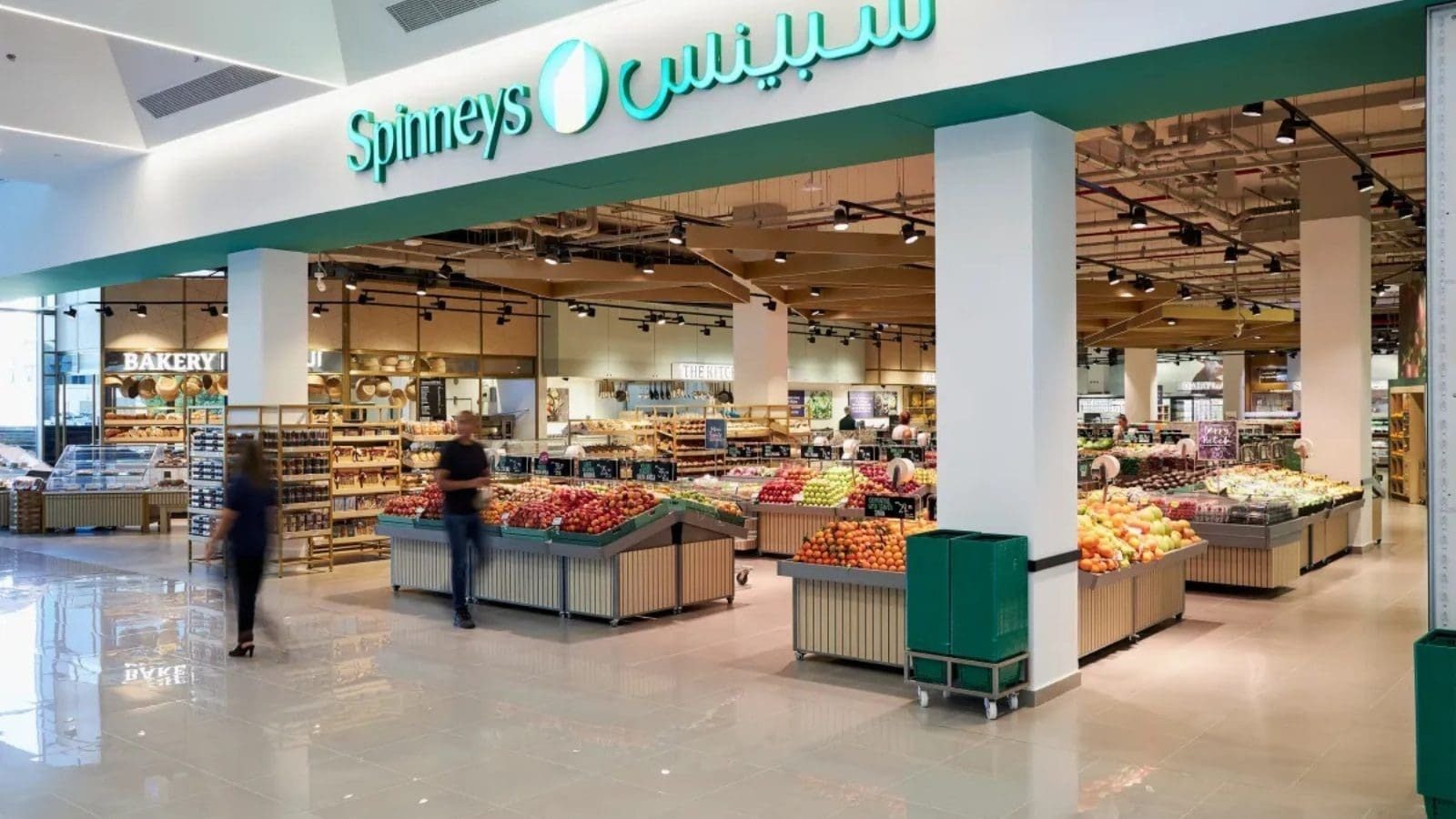
Spinneys has opened its second supermarket in Iraq, choosing the Iraq Gate residential complex in Baghdad's Mansour district for a smaller, neighbourhood-focused store, according to a report by Iraqi News on 13 November.
The new branch is designed for quick, everyday shopping by residents of the development, in contrast to the chain's first Iraqi store, a hypermarket of more than 7,000 square metres that opened earlier in 2026 at Iraq Mall in the Al-Dora district. Spinneys' Iraqi operations are run by Gray Mackenzie Retail Lebanon (GMRL), which holds the brand in Lebanon and has used it as a platform for expansion in the Levant and Iraq.
When GMRL announced its Iraqi plans in late 2025, it named Baghdad Boulevard as the site of its second store, to follow the Iraq Mall opening within a few months. The Mansour location is therefore a change from the original plan. The company did not disclose investment figures at the time, though unnamed sources quoted by Food Business MEA estimated initial costs could exceed $25 million.
Chairman Hassan Ezzeldine said at the time of the announcement that the move reflected the group's intention to bring quality products and customer-focused retailing to Iraq. GMRL has said it will work with local suppliers, create jobs and adapt its stores to local shopping habits while keeping the brand's standards for fresh food, range and service.
The opening comes as modern grocery retail gains ground in Baghdad. Majid Al Futtaim, which operates Carrefour in Iraq, has stores in Baghdad and the Kurdistan Region, while the state-owned trade ministry has said it is studying new government-backed hypermarkets in several governorates. Most Iraqi households, however, still shop in traditional markets and independent grocers, leaving considerable room for organised chains to grow.
Iraq's retail market has been reshaped in 2026 by the opening of Iraq Mall and the arrival of international brands including Inditex's chains. At the same time, higher customs tariffs introduced in January have raised costs for importers, a factor that weighs particularly on supermarket operators selling imported packaged goods.