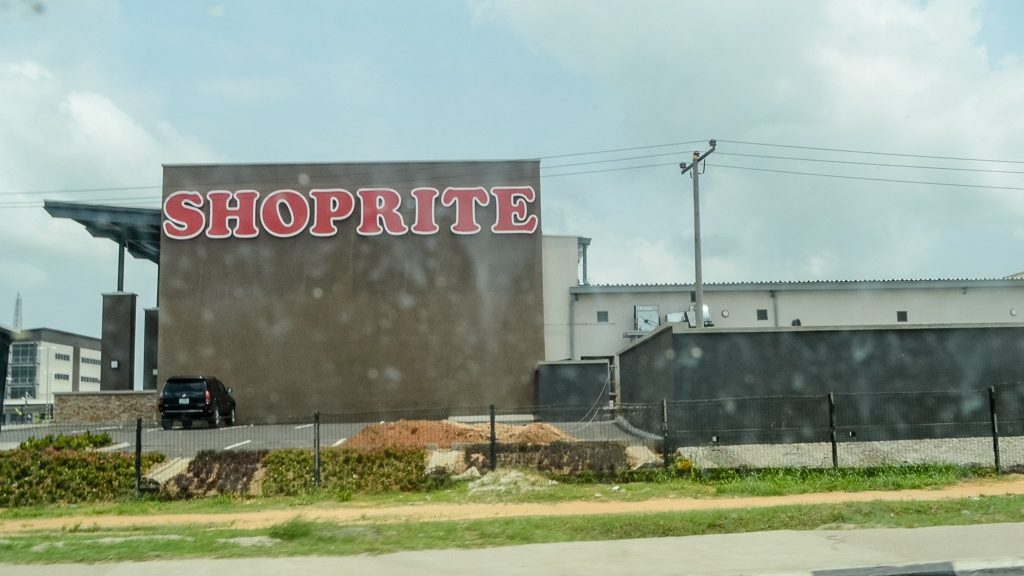
The Shoprite supermarket business in Nigeria is preparing a new expansion strategy centred on standalone neighbourhood stores rather than large outlets in shopping malls, according to a report by Nairametrics published on 24 October.
The Nigerian operation has been independent of South Africa's Shoprite Holdings since 2021, when a consortium of local investors led by Persianas Investment and Ketron Investment acquired it. The stores are run by Retail Supermarkets Nigeria Limited under a franchise arrangement.
Adekunle Adebiyi, executive director for investments at MBO Capital Management, which advised on the acquisition, said opening standalone neighbourhood stores had always been the plan. He explained that the business had taken the drastic decision to shut its stores temporarily while it renegotiated with suppliers. Three stores have since reopened, and the company's chief strategy officer has spoken about reopening outlets at The Palms and Circle Mall in Lagos. No timeline or total number of new stores has been disclosed.
The business has endured a difficult few years. Of the 28 stores it took over, about 17 had rents denominated in US dollars, which became far more expensive as the naira depreciated sharply. Adebiyi also pointed to weak inventory management and the costly replacement of a lost enterprise resource planning system. Power costs and working capital constraints led to closures and empty shelves in 2025, and a phased restructuring began in August that year. In March 2026, the company insisted it was not leaving Nigeria despite reports that its last outlets had shut.
The planned shift mirrors trends across Nigerian food retail. Value-focused local chains such as Bokku, Justrite and Jendol have gained footfall as inflation squeezes household budgets, according to BusinessDay, and neighbourhood formats with lower rents and smaller footprints are seen as better suited to the current economic environment.
Shoprite was once a flagship of modern retail in Nigeria, having opened its first store in Lagos in 2005, and its fortunes are watched closely as a barometer of the country's formal retail sector.