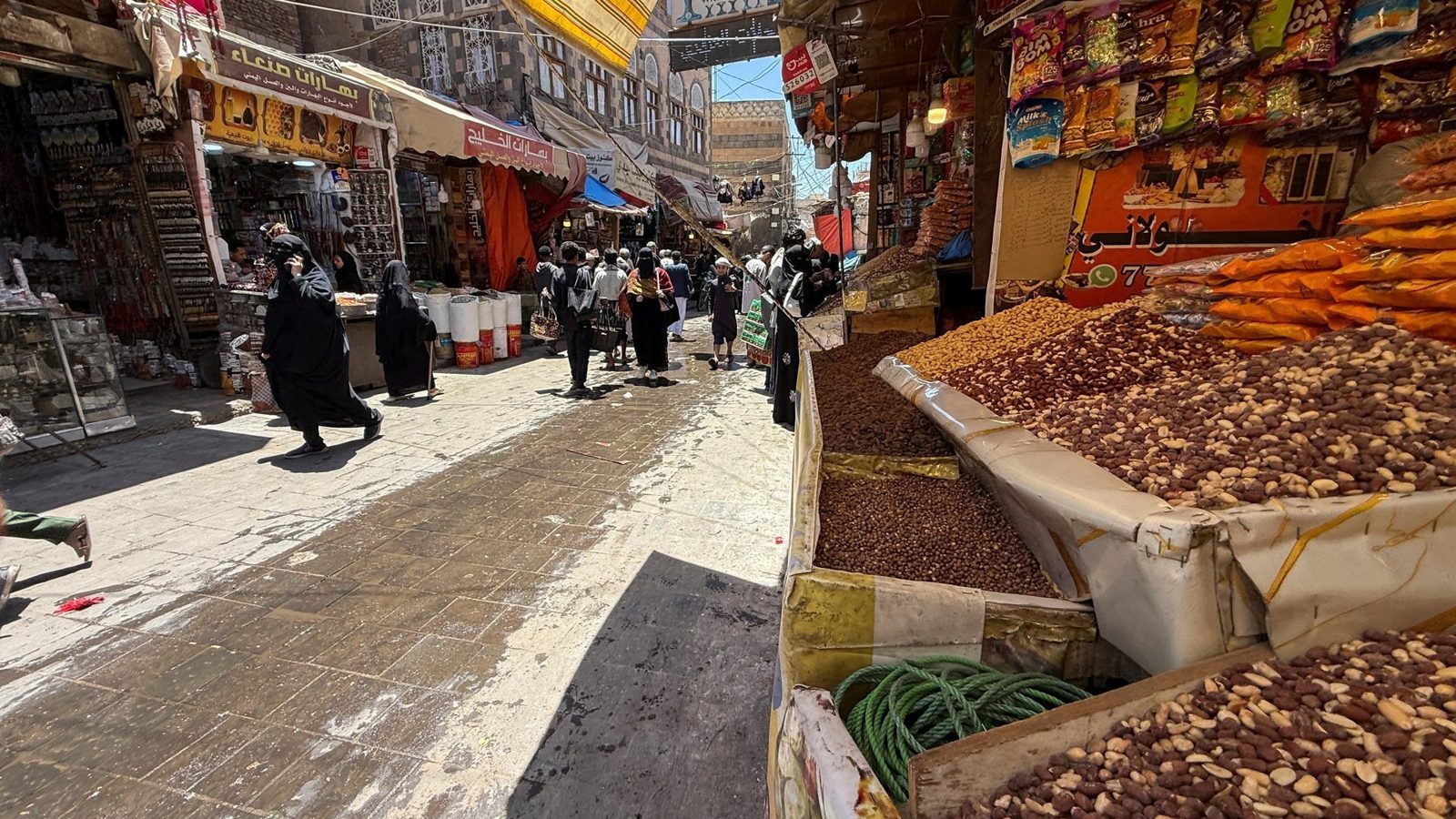
Shopkeepers in Sanaa are passing on higher costs to customers after fuel prices were raised in areas administered by the Sanaa-based authorities, Al Jazeera reported on 18 September 2026.
The Yemen Petroleum Company in Sanaa increased the price of petrol and diesel by about 10%, with petrol rising from YER 4,750 to YER 5,250, roughly $8.90 to $9.80 at the rates cited in the report. The price had been unchanged for about four years. The company blamed a global rise in fuel prices and said the increase would be temporary.
Saleh Abdullah, a shopkeeper in Sanaa, said higher transport and fuel costs were being passed on to consumers, affecting goods including flour, baby milk, fruit and vegetables, and that customers sometimes blamed retailers for price increases driven by national and regional developments. Insecurity has also lengthened supply routes: a north–south truck journey that previously took three days or less can now take up to a week, and an official at a customs checkpoint in Sanaa governorate said fewer trucks had been reaching the capital in recent weeks as merchants avoided risk.
Households are feeling the impact. A Sanaa taxi driver told the broadcaster that his family spent about YER 75,000 a month on flour, rice and cooking oil and expected that to rise to at least YER 85,000.
Economist Wafiq Saleh of the Taiz Centre for Yemeni-Gulf Studies said he expected a significant inflationary wave because fuel is an input for agriculture, transport, water and electricity. He warned that small and medium-sized enterprises, which operate on thin margins, may either close or pass costs on to consumers. In government-controlled areas, authorities have tried to contain prices through official price lists for essential goods.