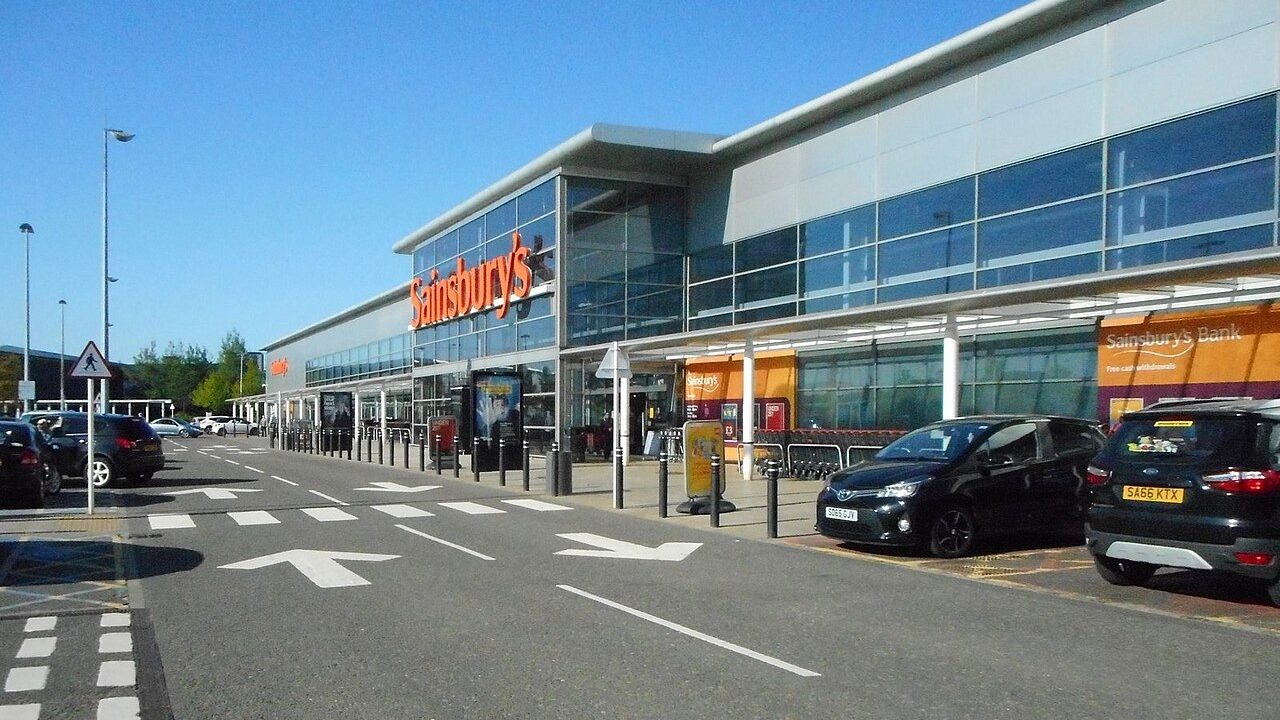
J Sainsbury, the UK's second-largest supermarket group, reported interim results on 22 October for the 28 weeks to 12 September 2026. Sales from continuing operations excluding fuel rose 2.6% to £14.0bn, while general merchandise and clothing sales fell 3.4% to £0.8bn. Fuel sales increased 17.8% to £2.3bn, reflecting higher wholesale prices.
The results were the first since the group agreed to sell Argos, the catalogue retailer it bought for around £1.2bn in 2016. On 31 July, Sainsbury's announced that Argos would be acquired by Swift Partners, a new vehicle controlled by former Co-op Group chief executive Richard Pennycook, Trevor Strain and Matt Truman, backed by investor True Capital. The consideration is at least £120m, with £70m due on completion and £50m deferred over three years, subject to adjustments that are expected to be offset by separation costs.
The transaction covers Argos standalone stores, its concessions inside Sainsbury's supermarkets, its sales channels and brands, logistics, Argos Care and Argos Pet Insurance, as well as the Daventry distribution centre and sourcing offices in Shanghai and Hong Kong. Completion is expected in February 2027, with full separation of the two businesses targeted by February 2029. Sainsbury's said it expects a non-cash impairment of about £350m. It had previously held talks with JD.com in 2025, but these ended after the Chinese group proposed materially revised terms.
Argos is now reported as a discontinued operation. Chief executive Simon Roberts said that by progressing the sale and sharpening its focus on food, the company was building a simpler, more focused Sainsbury's. Shopworkers' union Usdaw said the sale would inevitably create uncertainty for Argos employees.
Sainsbury's declared an interim dividend of 4.1p per share and said it had completed £200m of a £300m share buyback, with the remainder due in the second half. It reiterated its target of generating more than £500m in free cash flow for the year.
The grocer's Tu clothing brand saw sales fall 2%, though FashionUnited reported that this was still a better performance than the wider UK fashion market.