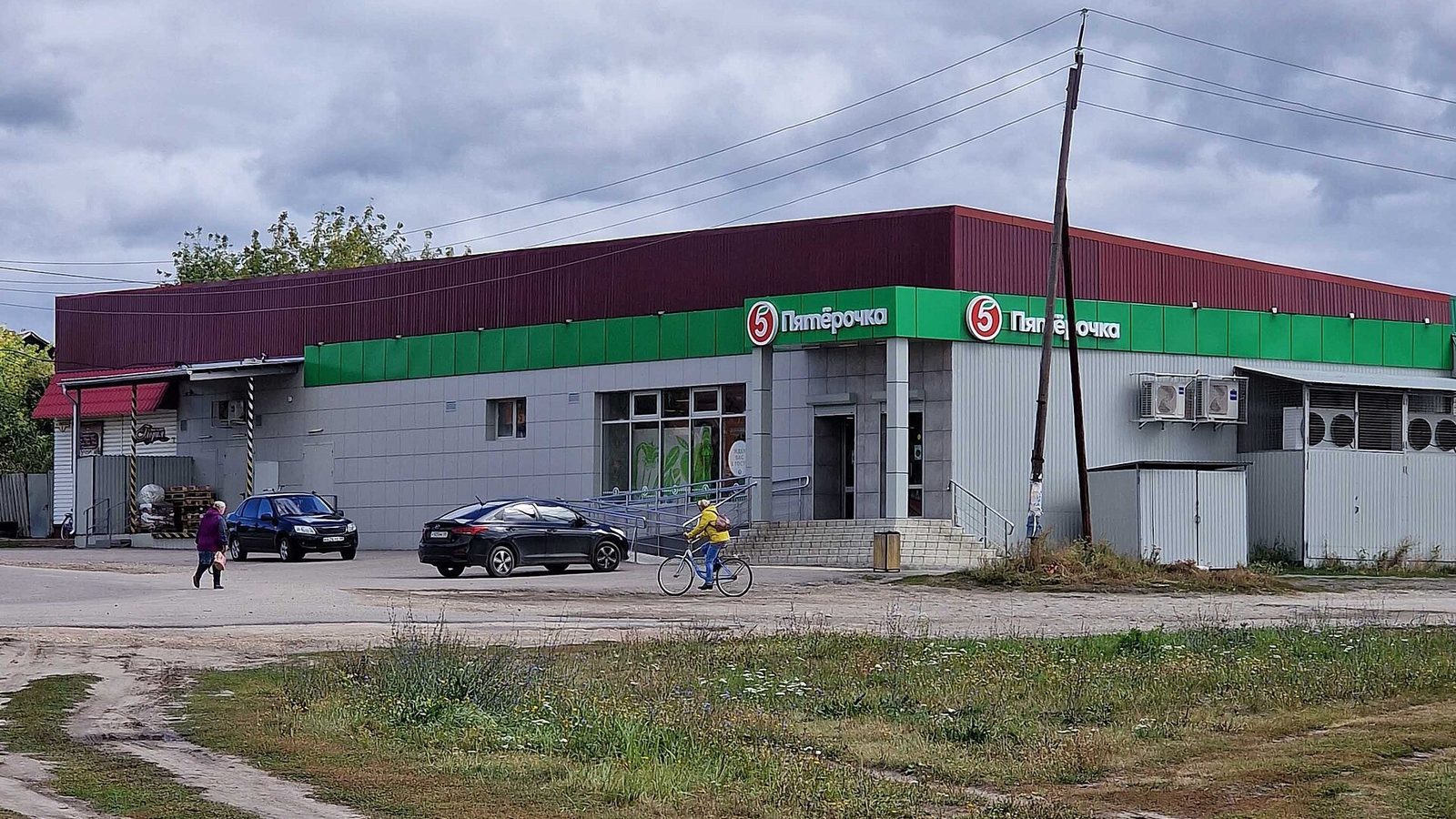
Expansion of Russia's grocery store networks has slowed sharply in 2026, with retailers redirecting investment towards online sales, according to Infoline data reported by Lenta.ru and summarised by Caliber.Az in early September.
The growth rate in the number of chain grocery stores fell to 4.9% by the end of June 2026, down from 10.8% a year earlier. The total number of chain grocery outlets reached around 104,700.
Industry experts cited in the report pointed to higher capital expenditure and the rising cost of servicing debt, at a time when the Bank of Russia's key rate has remained elevated. At the same time, retailers that want to build online businesses must invest separately in logistics, dark stores and delivery infrastructure, which competes for the same capital that would previously have funded new shops.
Performance varied markedly between chains. VkusVill, which already generates about half its revenue online, was among the most active in moving away from bricks and mortar: it began closing outlets in spring and its physical network shrank by 5.5%. In June it announced it would close its stores in Kazakhstan while continuing to sell there through Russian marketplaces and local operators. Discounter Svetofor reduced its estate by 6%.
Lenta was a notable exception, expanding its network by 27.5% over the period. Much of that growth came from acquisitions, including the Molniya convenience chain and hypermarkets bought from O'Key, rather than from organic openings.
The slowdown in openings echoes earlier findings from Infoline that the overall number of shops in Russia declined in 2025 for the first time in 25 years. Leading grocers have also reported profit pressure: X5 saw first-half net profit fall by almost 40%, and Magnit posted an annual loss for 2025. Meanwhile Wildberries and Ozon continue to capture a growing share of consumer spending, adding to the case for traditional grocers to strengthen their own delivery offer.