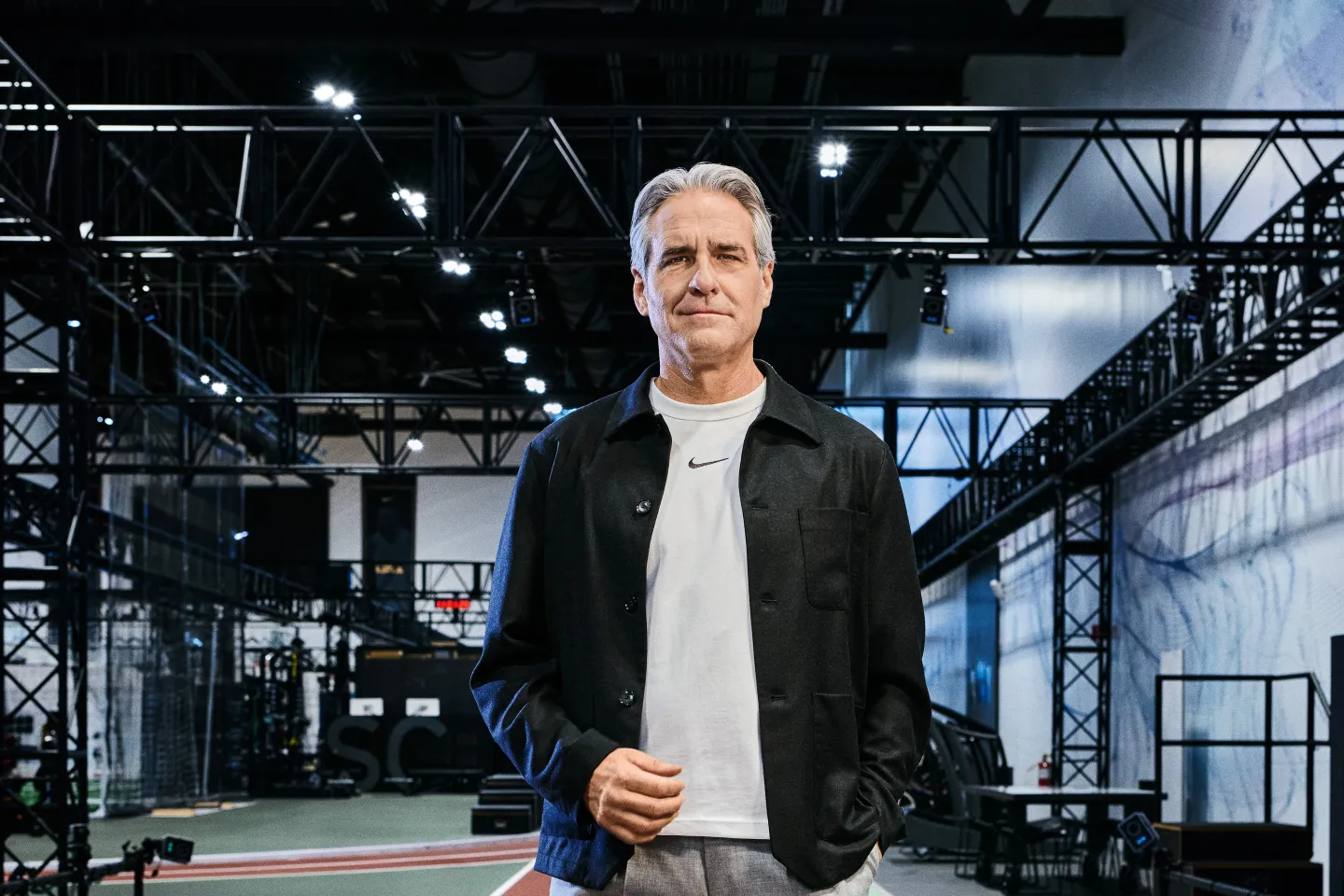
Nike is making significant changes to its regional leadership team to strengthen its global performance. In a memo to employees, CEO Elliott Hill announced new appointments in the Europe, Middle East and Africa (EMEA) and Greater China regions.
Handovers in EMEA and China
Carl Grebert, Vice President and General Manager of the EMEA region, who has worked at Nike for around 30 years, is retiring. He will be succeeded on 2 February by César Garcia, who brings around 25 years of experience at Nike.
Angela Dong, Chair and CEO of Greater China, will leave the company on 31 March and be replaced by Cathy Sparks. Cristin Campbell will take over Sparks's current role on an interim basis while Nike works on a permanent appointment for the position.
Hill: "We will move faster and more effectively"
In his message to employees, CEO Elliott Hill stressed that the changes would accelerate the company's transformation.
"In keeping with our mindset of always being on offence, I believe these steps will strengthen Nike's global performance," said Hill, adding that the new structure would support the company's "win now" strategy.
In December, Hill made a significant change to the organisational structure by bringing regional leaders into the senior leadership team reporting directly to him.
Sweeping changes in senior management
Since Elliott Hill became CEO in 2024, Nike's senior management has undergone major changes. Many long-serving executives have retired, while most of the new team is made up of experienced figures from within the company.
As part of announcements made in December, the Chief Technology Officer and Chief Commercial Officer positions were eliminated. Supply chain chief Venky Alagirisamy expanded his remit by taking on the role of Chief Operating Officer.
China: the toughest link in the transformation
The leadership changes at Nike run in parallel with the restructuring the company is carrying out globally. According to second-quarter results announced in December, Nike's revenue rose 1% to USD 12.4 billion, with North America the decisive driver of growth.
However, Greater China saw a 17% decline in the same period. Elliott Hill told investors that the transformation would not progress at the same pace in every region and that recovery in China could take longer.
What it means for retail
Nike's regional leadership changes are seen as a reflection of the "local empowerment" strategy that is common in global retail. In highly competitive markets such as China in particular, the aim is to engage more strongly on the ground with experienced executives.
Rapidly changing consumer behaviour, increasing digitalisation and regional economic volatility in recent years are pushing global brands towards more flexible management models. Nike's move is seen as part of the company's search for solutions tailored to different geographies.