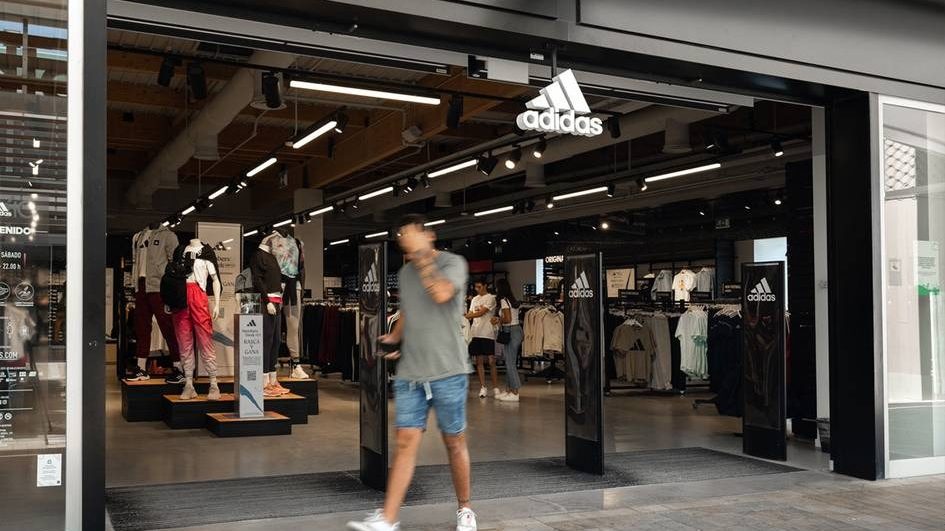
Adidas reported record revenue for the third quarter of 2026 and raised its full-year profit guidance, although its European business went into reverse. The German sportswear group published its results at the end of October.
Revenue rose 9.4% to €7.25bn in the quarter, while net income increased by around 47% to €715m, according to FashionUnited and Modaes. Gross margin improved to 54.3%. Growth was driven by apparel, with the brand continuing to benefit from strong demand for lifestyle and running products.
Europe was the exception. Currency-neutral sales in the region fell 4% to €2.24bn, making it the only market not to deliver double-digit growth. Adidas said heavy discounting by retailers carrying excess inventory had slowed business in the region. Part of the decline was also due to timing: delays linked to a migration to a new SAP system shifted some deliveries and revenue from the third quarter into the fourth.
The company said that this timing effect, combined with higher wholesale sell-in, should lead to high-single-digit growth in Europe in the fourth quarter. Finimize characterised management's message as a belief that Europe is ready to grow again.
For the full year, Adidas now expects currency-neutral revenue growth of 9% to 10% and an operating profit of about €2.5bn, up from its previous forecast of €2.3bn. Earlier in the year the company had warned about the impact of US tariffs on costs, but stronger pricing and product mix have helped protect margins.
The results are relevant for European sporting goods retailers such as JD Sports, Intersport, Decathlon and Foot Locker's European business, which have reported promotional trading conditions and elevated stock levels during 2026. Adidas' comments suggest the brand is managing supply carefully to avoid adding to discounting pressure in the region.
Chief executive Bjørn Gulden has overseen a sharp turnaround at Adidas since taking over in January 2023, rebuilding wholesale relationships and leaning on retro terrace footwear franchises.