Morocco's modern grocery sector has seen an unprecedented race for store openings in 2025 and 2026, but the pace of growth is starting to test retailers' business models, according to an analysis by retail consultant Rachid Lasri published in Challenge magazine on 26 October, based on data up to 30 September.
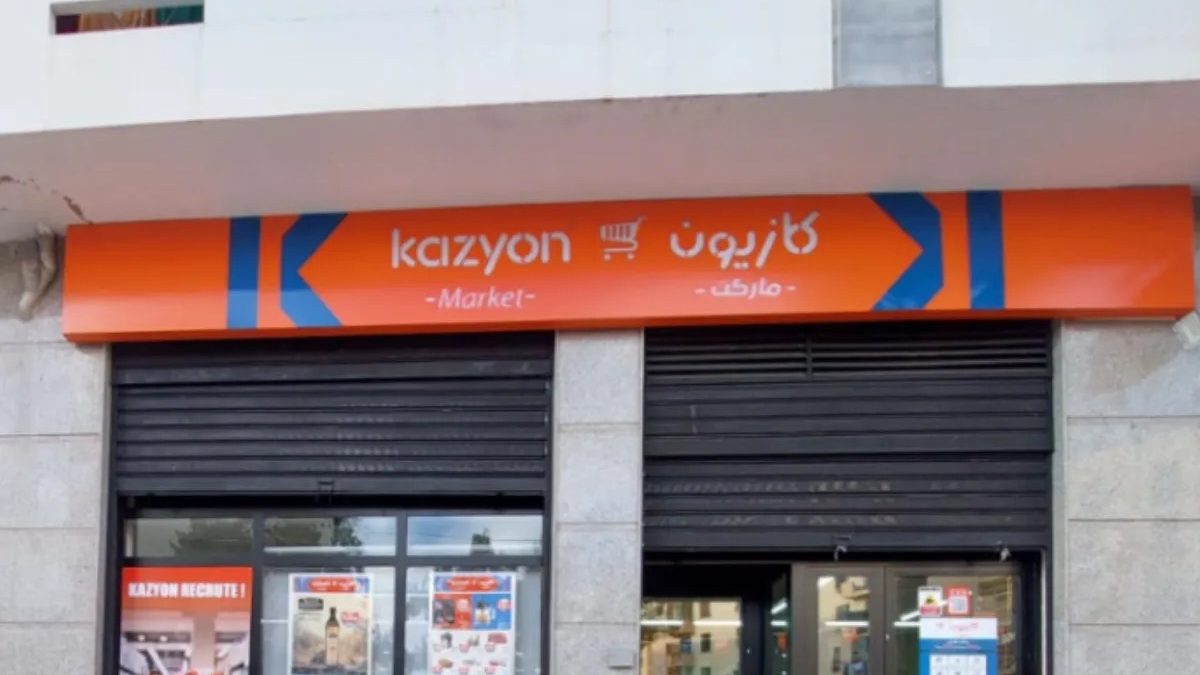
Turkish discounter BIM had 933 stores at the end of 2025 and has since passed 1,000. LabelVie, which operates Carrefour, Carrefour Market, Supeco and Atacadão stores, expanded from 270 stores at the end of 2024 to 411 at the end of 2025 and 483 at the end of June 2026. In September its Supeco banner said it had opened 95 stores across 14 cities since January, and Atacadão opened a cash-and-carry store in Khénifra in the spring. Egyptian discounter Kazyon, which entered Morocco in October 2023, had about 200 stores by early 2026; in January its backer DPI announced a further US$50m for international expansion, including Morocco and Saudi Arabia. Marjane opened its 44th hypermarket in Ouarzazate in February.
Smaller, newer players are also building networks. Casino and its Moroccan partner H&S Invest Holding are targeting more than 210 Franprix and Monoprix stores by 2035, and a Franprix store opened in Casablanca's Val Fleuri district in early July 2026. Société des Boissons du Maroc completed the acquisition of a one-third stake in Africa Retail Market, operator of eight U-branded stores, in May 2026, with a ten-year plan for 237 stores mentioned.
Lasri points out that rapid expansion has a cost. LabelVie's first-half results showed revenue growth of 16.8% and like-for-like growth of 5.4%, but its EBITDA margin fell from 8.3% to 7.8%, suggesting that new stores take time to reach maturity and that competition is weighing on profitability. Separately, a project for Retail Holding, LabelVie's controlling shareholder, to absorb the listed company was announced in May.
The analysis concludes that store counts alone are no longer a sufficient measure of success. With proximity and discount formats now competing on the same streets, and traditional grocers still dominant, retailers will need to focus on store productivity, logistics and supply-chain efficiency to turn network growth into sustainable returns.