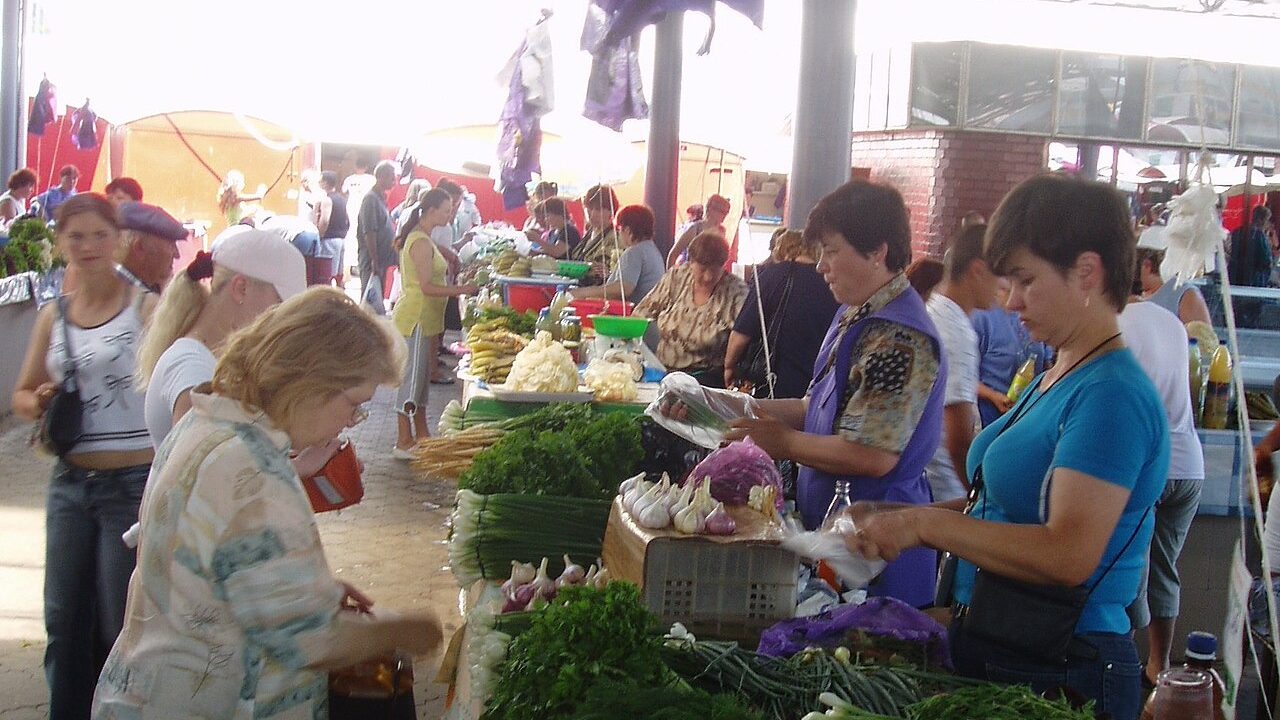
Supermarkets in Moldova may soon have to display the country of origin of products directly on shelf price tags, under a bill registered in parliament in February 2026.
The initiative was put forward by Radu Marian, chairman of parliament's Commission on Economy, Budget and Finance, together with colleagues from the ruling PAS faction. It would amend the Law on Internal Trade. Marian said the aim was to make information clearer for consumers and to support local producers.
According to the MP, information on origin is currently often printed in small type on packaging and is hard for shoppers to notice. He also highlighted the problem of what he called pseudo-local branding, where imported goods are presented in a way that suggests they are Moldovan. Supporters of the bill estimate that making origin more visible could lift sales of local producers by between 5% and 15% in the fresh produce category.
The new rules would apply only to retail premises larger than 50 square metres, so small convenience shops would be exempt in order to avoid excessive administrative burden. The draft provides for fines for non-compliance. Marian said the measure would cost the state little and would involve minimal expense for retailers, since it amounts to adding a line of text next to the price.
The proposal follows a separate bill from Marian on short supply chains, intended to reduce the number of intermediaries between producers and consumers, support domestic farmers and improve transparency in trade.
Origin labelling on shelves is already common in several EU countries, particularly for fresh fruit and vegetables, and Moldova is aligning much of its trade legislation with EU rules as part of its accession process. Retail chains have also sought to highlight local sourcing as competition for shoppers intensifies, with the largest grocers rapidly expanding their networks.
The bill must pass through parliamentary committees and plenary readings before it can take effect, and retailers are expected to comment on the practical implications, including how to handle products whose origin changes between deliveries.