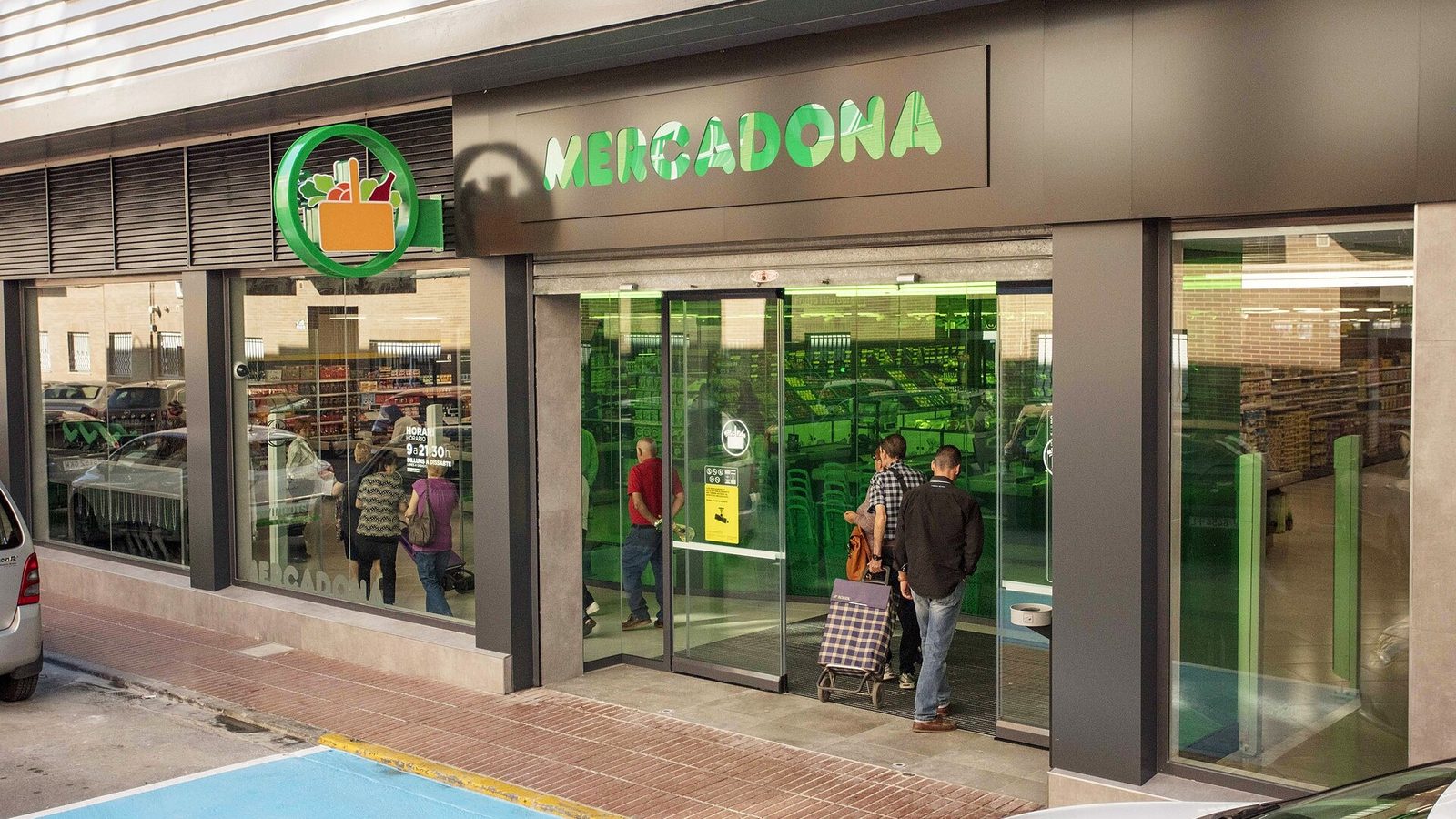
Mercadona remains by far the largest grocery retailer in Spain, but its lead is no longer growing, according to consumer panel data from Worldpanel by Numerator covering the first eight months of 2026, as reported by ESM Magazine in mid-September.
The Valencia-based chain held a 27.4% share of the market between January and August, only 0.1 percentage points higher than a year earlier. The number of households shopping at Mercadona fell by 0.8 points. Its share is now roughly equal to the combined share of its five largest competitors: Carrefour, Lidl, Eroski, Dia and Consum.
Lidl recorded the strongest share gain among the major chains over the period. Dia and Consum also increased their shares; Dia added shoppers and recorded a 12.7% rise in the number of shopping trips, while Consum's shopper base grew by 1.6 points.
Worldpanel attributed the shifts to persistent price pressure and economic uncertainty, which have led Spanish consumers to spread their purchases across more stores and to make greater use of promotions, trends that have favoured Lidl and Dia in particular. Bernardo Rodilla, retail business director at Worldpanel, said shoppers increasingly regard Lidl as a store where they can do their full weekly shop, helping the German discounter win larger baskets and families with children, which he described as traditionally Mercadona's stronghold.
Private label continued to advance, accounting for 47.3% of the value of the fast-moving consumer goods basket, 1.4 points more than in the same period of 2025. Mercadona, whose Hacendado and Deliplus ranges dominate its shelves, has long been a driver of own-label penetration in Spain, but discounters and regional chains are now pushing their own ranges hard.
Earlier in the year, trade publication Alimarket noted that competitors were taking advantage of a pause at the market leader, which has been rolling out its latest store model while closing some older outlets. Mercadona ended 2025 with 1,603 stores in Spain, ten fewer than a year earlier.