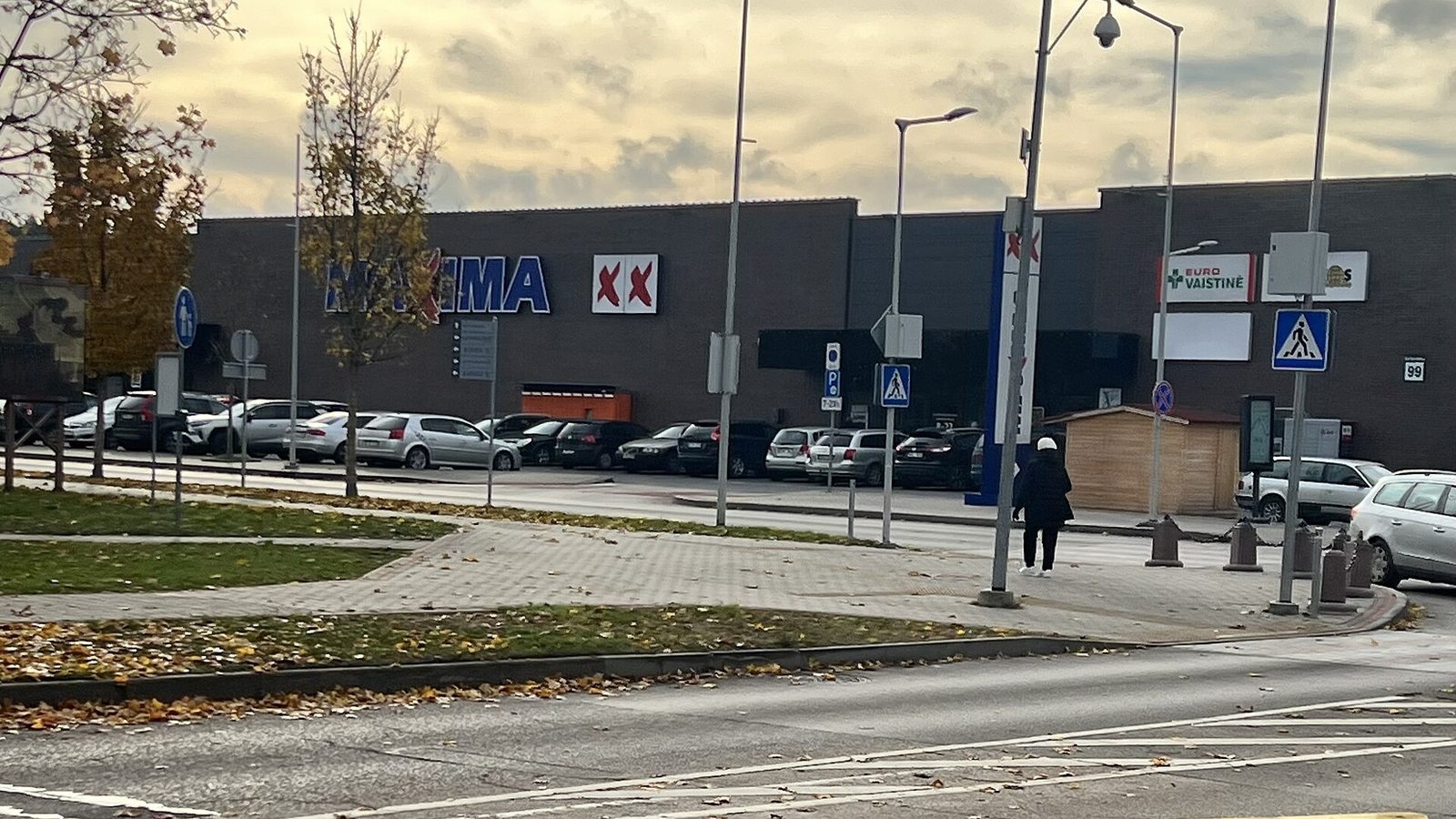
Maxima Grupė reported consolidated revenue of €2.03bn for the first half of 2026, an increase of 2.8% that outpaced regional food inflation of about 2%, according to results reported in mid-September. The figures cover only the group's Baltic chains following the sale of its Polish and Bulgarian businesses at the end of 2025.
Lithuania remained the main engine of growth. Revenue in the group's home market rose 4.6% to €1.16bn, compared with an increase of 0.6% to €559.7m in Latvia and 1.3% to €297.9m in Estonia. Online grocer Barbora grew sales by 0.4% to €75m.
EBITDA edged up by €0.7m to €169.9m, but the margin slipped by 0.2 percentage points to 8.4%, reflecting higher labour, energy and fuel costs. Capital expenditure on fixed assets more than doubled to €63.8m as the group invested in its store network. Maxima paid dividends of €101m to its parent, Vilniaus prekyba, and ended the period with net debt of €764.5m, or 2.0 times EBITDA.
Chief financial officer Petras Jašinskas said the chains cut regular shelf prices on around 9,000 food products in Lithuania and some 4,000 in Latvia during the half-year, as part of a strategy to strengthen Maxima's position as the low-price leader and allow customers to save every day rather than relying on promotions.
The results were accompanied by a change on the board of the Lithuanian operating company, Maxima LT. Marius Tilmantas stepped down on 11 September, and Aurelija Simutė joined the board from the following day for a term running to November 2029. The four-member board is chaired by group chief executive Jolanta Bivainytė and also includes Kristupas Buzys and Vilius Rimkus.
Maxima faces growing competition at home from Lidl, which has been expanding steadily in Lithuania, and from domestic rivals Iki and Norfa.