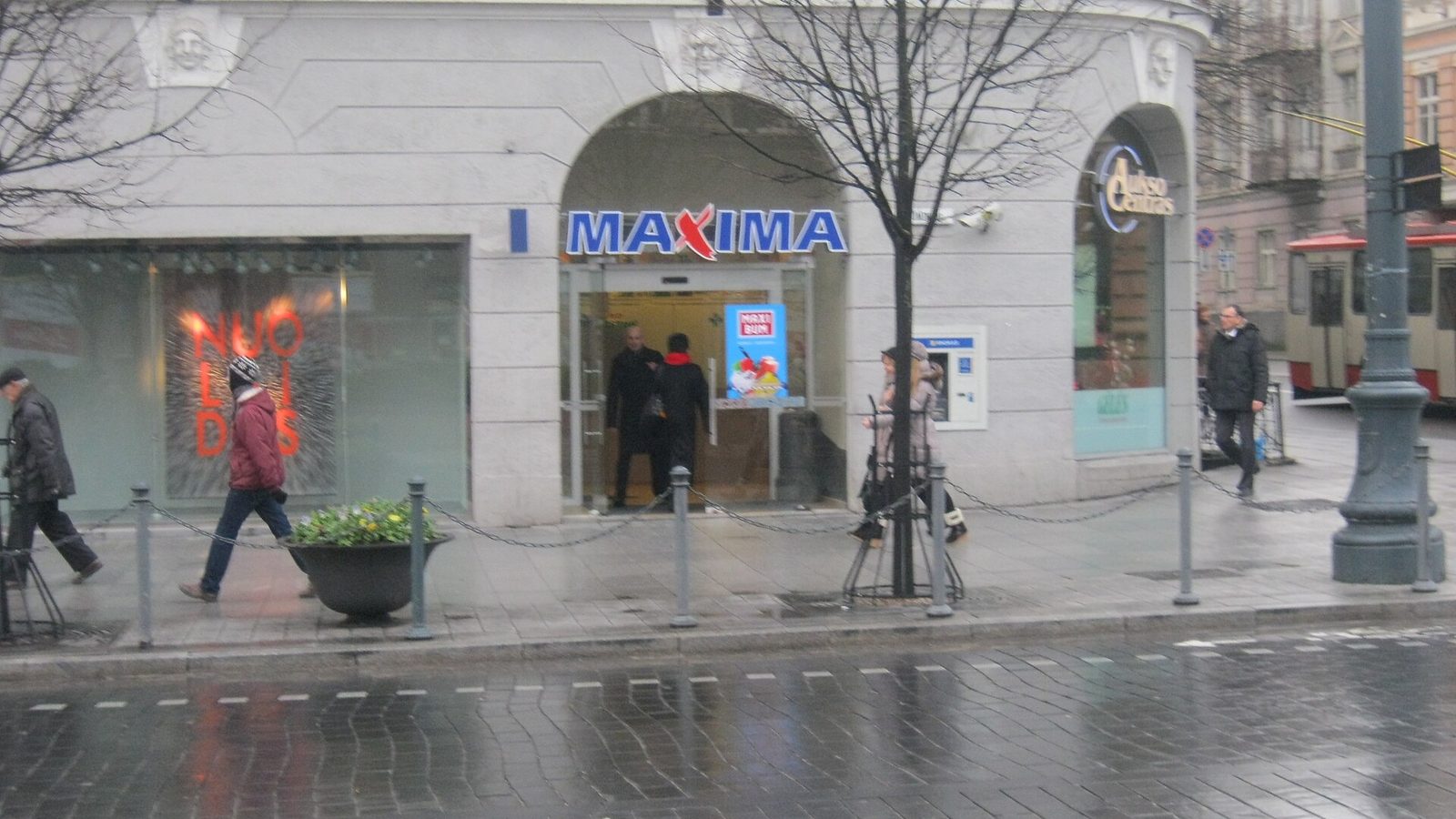
Maxima Grupė, the Vilnius-based grocery group that is the largest retailer in the Baltic states, reported 2025 revenue of more than €6.35bn, up 4.1% on the previous year, in results published in April 2026. EBITDA rose by €54m to almost €510m, and net profit reached €209m, an increase of €73m.
The profit figure was flattered by a one-off gain of €77.6m from the disposal of the group's Polish and Bulgarian operations in December 2025. Excluding that gain, net operating profit fell by about €5m, the company said.
Lithuania was once again the group's best-performing market. Revenue there rose 5.4% to €2.33bn, helped by growing consumer spending and a broadly positive retail environment. In Latvia sales grew 3.2% to €1.14bn, while in Estonia they edged up 0.4% to €601m, although Estonian EBITDA improved by a third on better margins and lower costs. Together, the three Baltic countries accounted for 64% of group revenue and passed €4bn for the first time. Online grocer Barbora increased sales by 3.1% to €153m and halved its e-commerce losses to €7.9m.
In the Baltics the group invested €74m during the year, refurbishing 13 mainly large-format stores and opening three new ones. A store standardisation programme launched in 2021 is nearing completion.
Looking ahead, Maxima said it would concentrate on operational efficiency, organic growth and strengthening Barbora. It plans to extend its so-called slashed prices model, under which selected categories are kept at permanently low prices, to all three Baltic countries, and to keep growing private-label sales, which have risen by around 13% a year over the past three years.
On sustainability, the group said scope 1 and 2 emissions were 24.5% below 2021 levels, against a 2030 target of a 42% reduction. Food waste in the Baltics, however, was 15% higher than in 2023, and further measures are planned. Chief executive Jolanta Bivainytė said the aim was to maintain Maxima's leadership in its home markets.