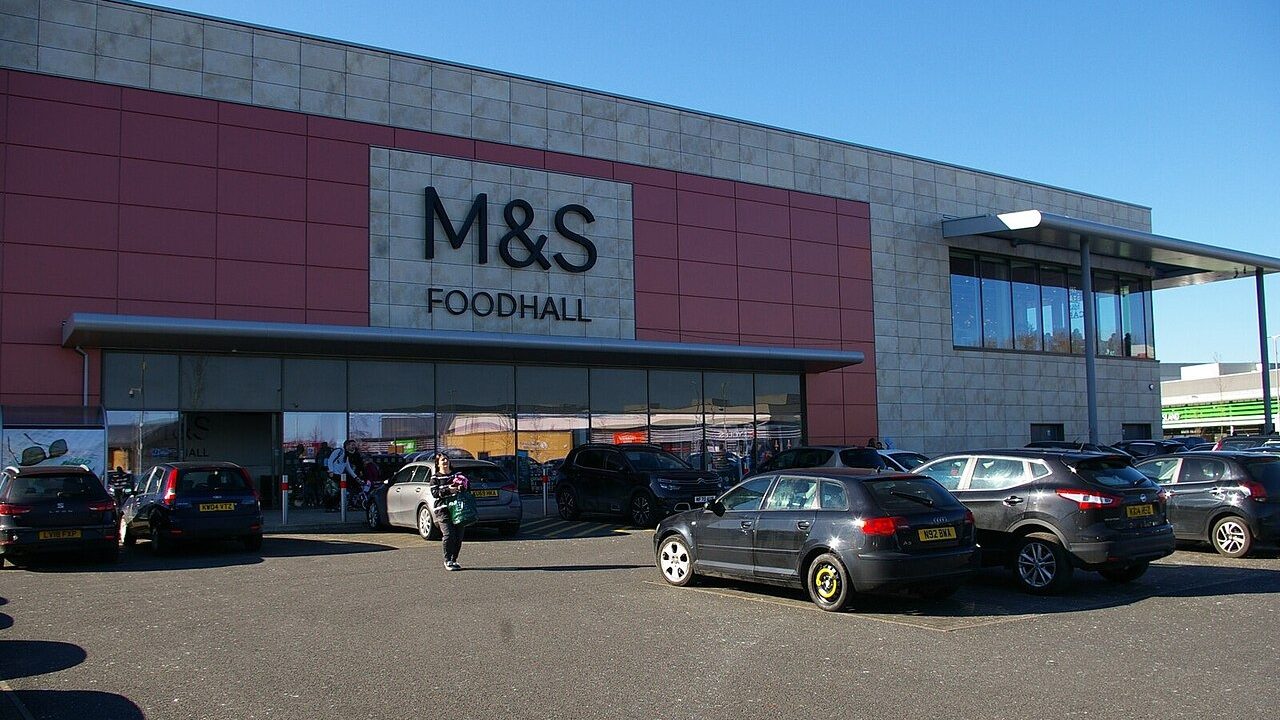
Marks & Spencer has reported a sharp recovery in first-half profits, a year after a cyber attack severely disrupted its online operations. In results published on 4 November for the 26 weeks to 26 September 2026, the British retailer posted adjusted profit before tax of £403.2m, up from £184.1m a year earlier. Statutory pre-tax profit rose to £355.1m from just £3.4m.
Group sales climbed 16.2% to £9.26bn, flattered by the weak comparison with the disrupted period of 2025. Food was once again the standout division, with the company and analysts describing its performance as exceptionally strong. Fashion, Home & Beauty delivered operating profit of £150.5m, a margin of 7.5%, but management acknowledged there was more work to do in non-food after last year's disruption and said trading conditions there remained challenging.
M&S declared an interim dividend of 1.4p per share and said it expects full-year adjusted profit to be in line with market expectations, with an improvement in Fashion, Home & Beauty anticipated in the second half. Reports also noted that the group faces what broadcasters described as an onslaught of cost increases, including higher employment costs.
Alongside the numbers, M&S announced a retail partnership with French beauty chain Sephora. Under the agreement, dedicated Sephora beauty spaces will open in selected M&S stores and on its website from spring 2027. The move is designed to strengthen M&S's beauty offer, a category where it has been working to attract younger shoppers, while giving Sephora, which returned to the UK in 2023, additional physical reach.
The retailer is continuing its store rotation programme, opening larger food halls while closing older, smaller outlets. Investor commentary highlighted the food business as the engine of the group's recovery and the main reason for the improvement in profitability.
M&S chief executive Stuart Machin has positioned the group as a growth business after several years of restructuring, and the half-year results suggest the operational impact of the 2025 cyber incident is now largely behind it.