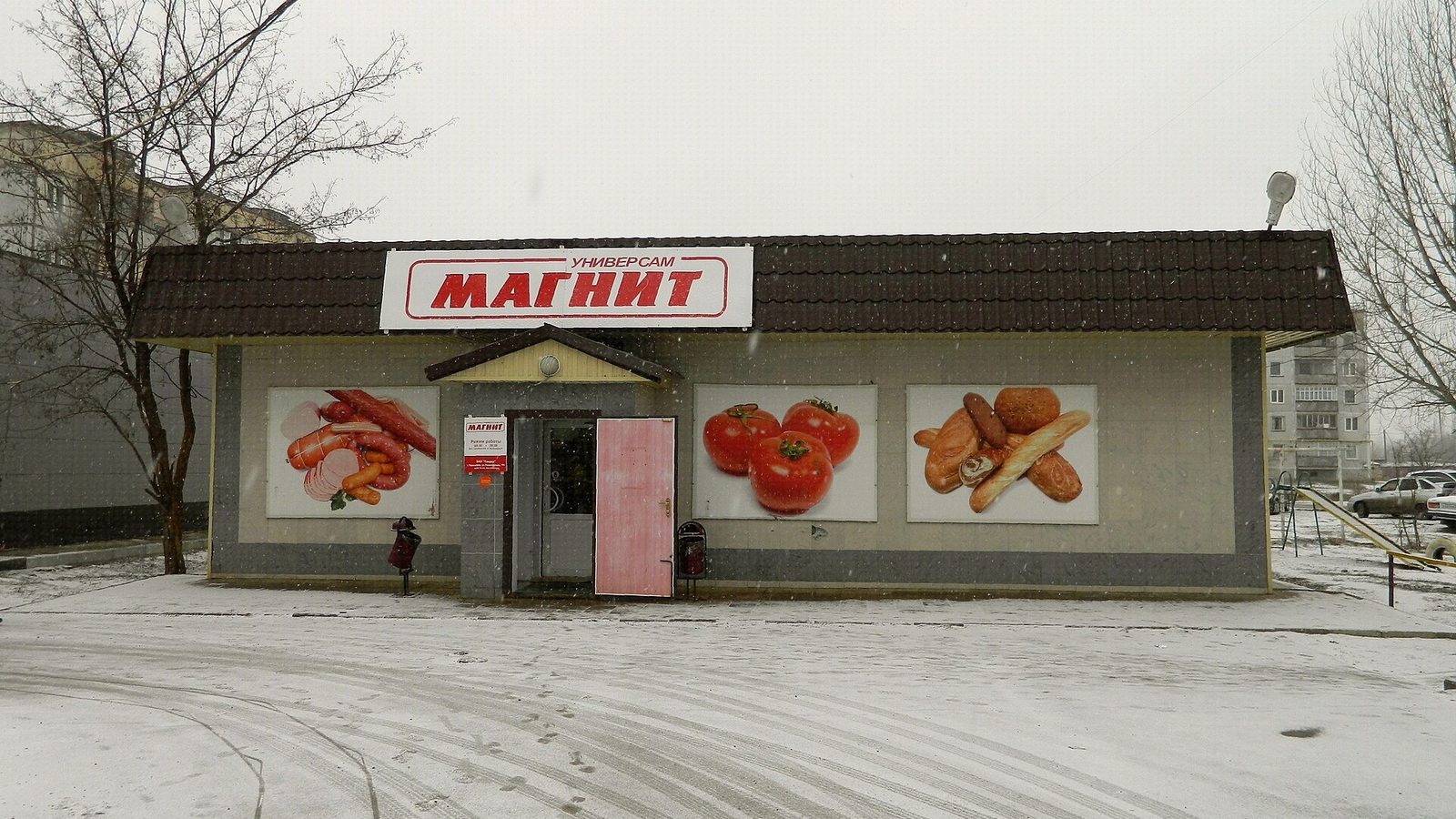
Magnit, Russia's largest food retailer by number of stores, has slipped into an annual net loss for the first time in more than two decades. Filings from Tander, the group's main operating entity, show a net loss of 22.5bn roubles (around $290m) for 2025, according to reports by RBC and The Moscow Times published at the start of April.
Tander runs the core Magnit supermarkets and convenience stores as well as the Magnit Cosmetic health and beauty chain and the discount banners V1 and My Price. Across the group, Magnit operates roughly 32,000 outlets in 72 Russian regions.
The loss did not stem from shrinking sales. Revenue at Tander rose by about 11% to 3.1tn roubles, but profit from sales dropped by 13% to 138.7bn roubles. The decisive factor, according to analysts at Gazprombank cited in the coverage, was financing: interest expenses climbed 74% year on year to 163.9bn roubles as the Bank of Russia kept its key rate at very high levels for most of the year.
Trading conditions also became harder. Industry sources quoted by Kommersant said Russian households switched into a 'savings mode' from the middle of 2025, forcing chains to work harder to protect volumes while holding shelf prices in check. Infoline-Analytics estimated that net margins at the largest grocers had fallen to between 1.7% and 1.9%, close to historic lows. The Central Bank itself noted in February that shoppers were trading down, and that in central Russia more than half of goods were being sold on promotion.
Magnit is not alone in feeling the strain. X5 Group, which operates Pyaterochka, Perekrestok and Chizhik, reported that its debt servicing costs rose by 79% to 61bn roubles over the same period, although it remained profitable. Analysts at MMI described the losses as part of a broader pattern in which high borrowing costs are weighing on Russia's real economy, with several large industrial groups also reporting losses.
For Magnit, which has been investing heavily in hard discount formats and its cosmetics chain, the result increases pressure to improve efficiency at a time when consumer demand shows little sign of a rapid recovery.