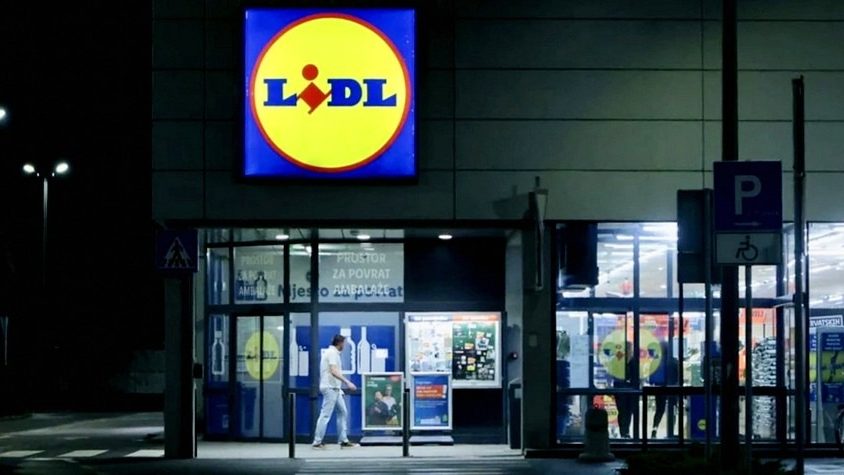
The shape of Lidl's future store network in Bosnia and Herzegovina is becoming clearer, even though the German discounter has still not announced when its first supermarkets will open.
According to a review by the Banja Luka-based portal SEE Srpska in July 2026, Lidl projects are now associated with 27 cities, covering completed buildings, active construction sites and locations still in planning. The list spans both of the country's entities and includes Sarajevo and East Sarajevo, Banja Luka, Mostar, Zenica, Bijeljina, Doboj, Brčko, Trebinje, Bihać, Prijedor, Travnik, Livno and Kiseljak, as well as a series of smaller towns such as Kakanj, Zvornik, Gradiška, Gračanica, Modriča, Laktaši, Čapljina, Tešanj, Čitluk, Živinice, Prnjavor, Vitez and Cazin. Unconfirmed reports suggest Široki Brijeg and Sanski Most could take the total to 29.
Recent additions include a second supermarket in the south of Mostar and confirmed projects in the Vitez business zone, in Sarajevo's Koševo district and in the Tasovčići shopping zone near Čapljina. The most notable gap is Tuzla, the country's third-largest city and home of market leader Bingo, where earlier reports said Lidl had struggled to secure land.
Lidl has not given an official opening date. In February 2026 local media regarded late 2026 or early 2027 as a realistic window for the first stores; by the summer, industry sources were pointing to 2027. The company later confirmed a first-half 2027 target when it opened its central logistics centre near Kiseljak in November.
The scale of the rollout is significant for a country of around three million people. Lidl entered the market formally in 2021 and has spent several years acquiring sites and obtaining permits, a process that has proved slower than in some neighbouring markets.
Its arrival is expected to intensify price competition in a grocery sector currently led by Bingo and Konzum, at a time when food prices and the cost of living remain politically sensitive across the Western Balkans.