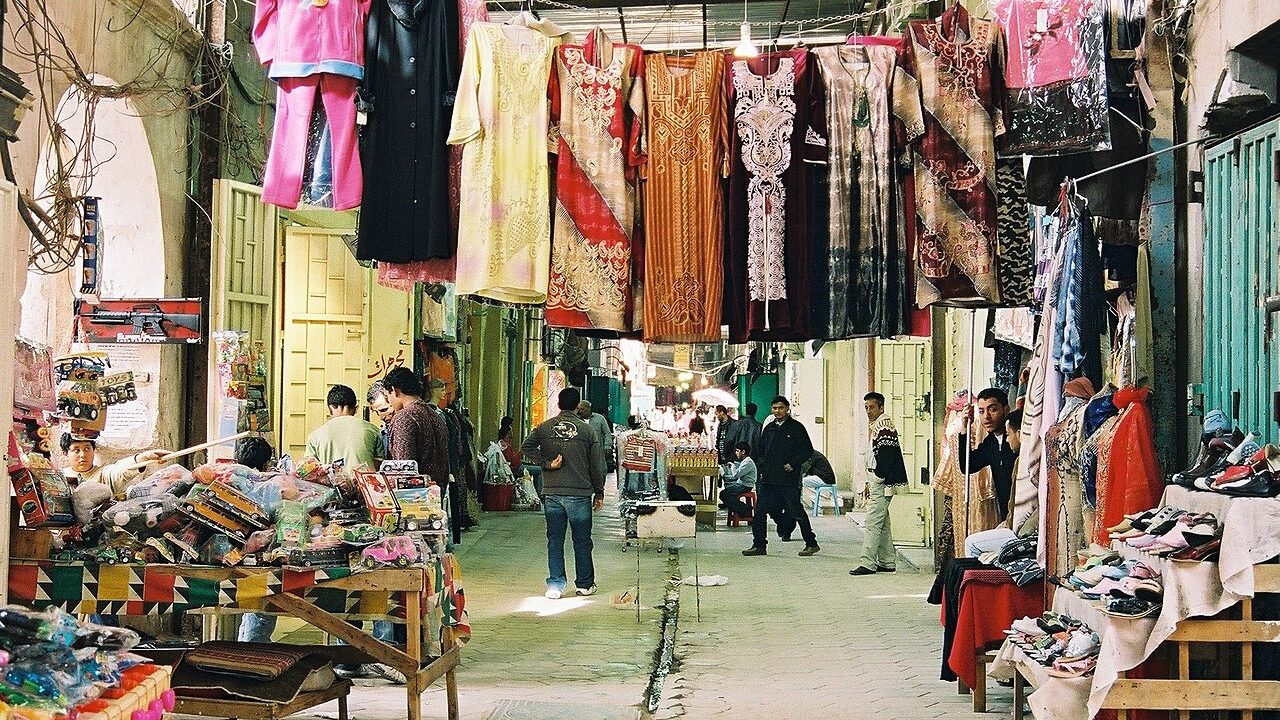
Libyan households entered Ramadan 2026 facing sharply higher food prices and shortages of some essentials, according to reporting from Tripoli published in February.
Cooking oil prices had doubled in the preceding weeks, while meat and poultry prices had risen by around half, AFP reported in a story carried by Arab News and Al-Monitor. Some supermarkets were rationing goods, and many petrol stations were short of fuel. In the week of the report, most cash machines in the capital were said to have run out of banknotes, a long-standing problem in Libya that affects shoppers' ability to pay in cash-based retail.
Domestic gas cylinders, officially priced at 1.5 dinars for a refill, were frequently unavailable through state distribution channels and were selling on the black market for 75 dinars or more, the report said.
The price increases followed the Central Bank of Libya's decision in January to devalue the dinar by nearly 15%, the second cut in less than a year. Prime Minister Abdulhamid Dbeibah acknowledged that the move had placed a burden on citizens. Some shoppers interviewed blamed currency speculators for the dinar's weakness. Separate reports put the parallel market rate at around ten dinars per dollar by late February, well above the official rate.
The economic backdrop remains difficult. The country has no unified national budget, and rival institutions in the east and west spend public money without coordination, according to the UN envoy to Libya, Hanna Tetteh. Oil revenues have declined, and the central bank has warned that public spending is growing at an unsustainable pace.
Ramadan is normally the peak trading period for Libyan grocers, with spending on food and household goods rising significantly, which makes price increases and cash shortages at this time of year particularly visible to consumers. Later in the year, the Food and Agriculture Organization estimated food inflation at around 18% year on year in May.