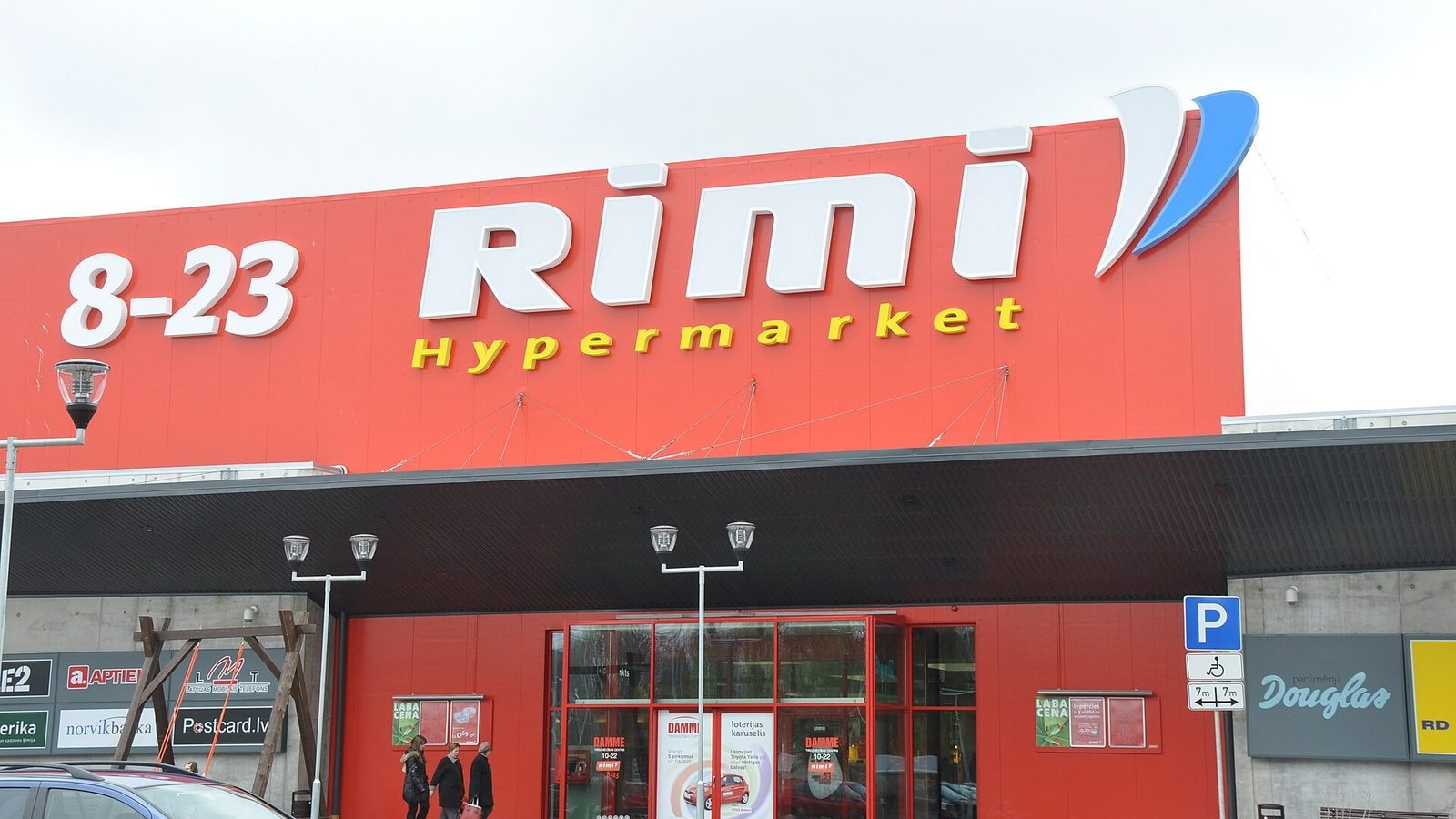
Latvia's Competition Council (Konkurences padome) carried out unannounced inspections at the country's two largest food retail companies on 26 February 2026 as part of an investigation into a suspected cartel. The authority said it acted on a court decision and with the support of the State Police and other law enforcement bodies.
In a statement published on 2 March, the council said it had indications that the two retailers may have coordinated the prices of goods, which could constitute a prohibited agreement harmful to consumers and a possible breach of Article 101 of the Treaty on the Functioning of the European Union. It stressed that the purpose of the searches was to gather evidence and that an infringement would only be established once the investigation was complete and the companies had been heard.
The council did not name the businesses, saying the scope of the case and the identities of the companies were restricted information. Latvia's two largest grocers by turnover are Rimi Latvia and Maxima Latvija, with sales of roughly €1.1bn each in 2024, and Maxima confirmed to local media that council staff had visited its head office in Riga.
Horizontal agreements between competitors are regarded as among the most serious competition law infringements. If a breach is proven, each company could face a fine of up to 10% of its net worldwide turnover in the previous financial year. The council invited suppliers and others with relevant information to contact it, promising anonymity, and encouraged the companies involved to consider its leniency programme, which can substantially reduce penalties.
The investigation follows a separate case in October 2025, in which the council found that Maxima Latvija had engaged in unfair trading practices towards agricultural and food suppliers. Legal commentators have described the new probe as the most significant cartel investigation in Latvian retail in recent years.