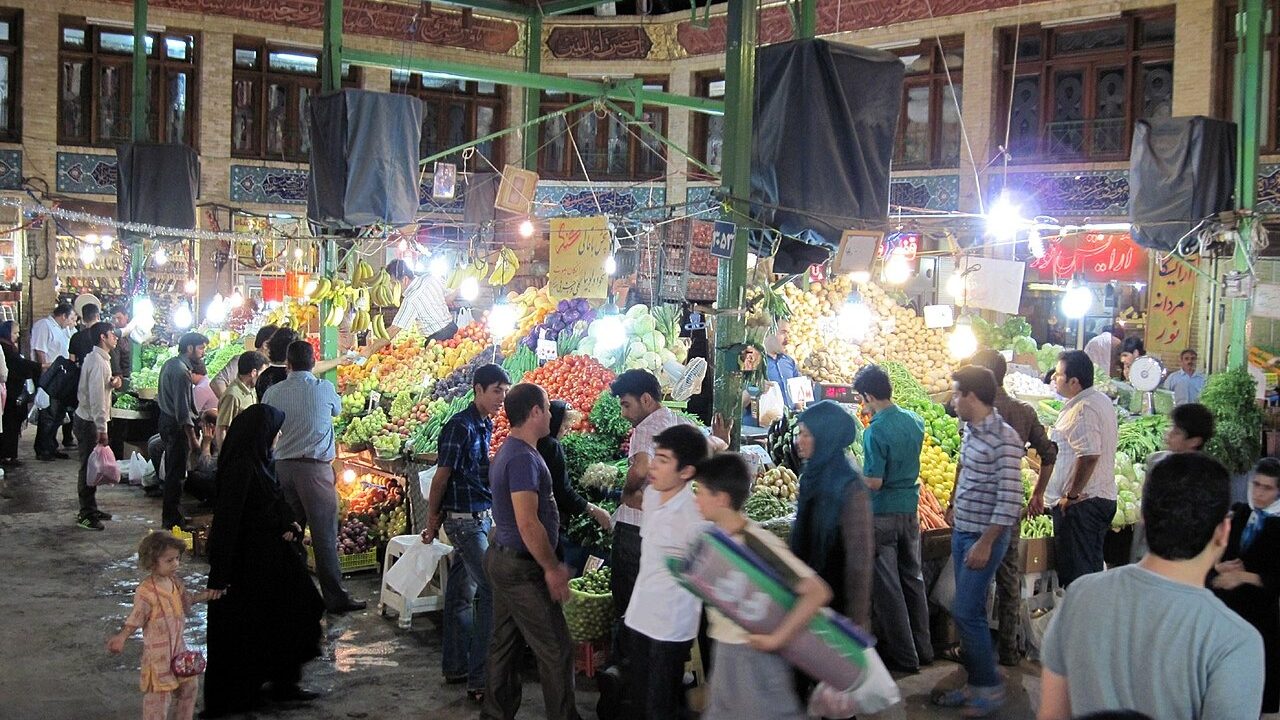
Iranian shoppers faced steep increases in the price of everyday groceries in the first weeks of 2026, prompting the government to provide a monthly food allowance to most of the population, according to an Associated Press report from Tehran published on 25 February.
Over the space of a month, the price of a kilogram of red meat rose from about 13 million rials to around 22 million rials, a litre of milk doubled from 520,000 rials to 1.1 million rials, and a box of pasta increased from 340,000 rials to 570,000 rials, the AP reported. Iranian media also reported that prices of household appliances such as washing machines, vacuum cleaners and refrigerators had doubled. Annual inflation was above 46% compared with January of the previous year.
Since January, the government has been paying 10 million rials a month to each of around 70 million people, roughly three-quarters of the population, specifically for food purchases, and has said it will raise the amount if prices continue to climb. The scheme channels a significant share of household grocery spending through a state-funded credit at a time when incomes are failing to keep pace with prices.
The currency has been a major driver of the increases, as Iran imports a substantial share of its food and of the inputs used by domestic manufacturers. The rial, which traded at about 32,000 to the US dollar when the 2015 nuclear agreement was signed, had weakened to around 1.3 million by late December 2025 and reached a new low of about 1.65 million in late February, according to the report.
Shopping habits are changing as a result. The AP described consumers checking social media daily for price updates and shopping late in the evening, when some produce sellers cut prices by half to clear stock. Many households were stockpiling staples such as beans, rice, bread and canned food amid uncertainty, and a hardware retailer reported increased demand for items such as torches and small gas stoves.
Unemployment rose to about 7.8% in October 2025 from 7.2% a year earlier, and stood at around 20% among young people, according to figures cited in the report. In the months that followed, inflation accelerated further, reaching levels not seen in Iran since the 1940s.