Consumer price inflation in Iran has reached its highest level in more than eight decades, putting severe pressure on household budgets and on the retailers that serve them.
The Central Bank of Iran reported annual inflation of 77.2% for the month from 21 April to 20 May 2026, with monthly inflation of 8.5%, Al Jazeera reported on 5 June. Point-to-point inflation for goods reached 113%. According to the report, it was the highest annual inflation rate recorded in the country since 1942. Later data showed annual inflation rising further to 83.1% by late June.
Food has been among the hardest-hit categories. Rice that cost around 1.8 million rials a kilogram a year earlier was selling for more than 5 million rials, while cooking oil had climbed from about 700,000 rials to more than 3 million rials since spring 2025, according to the report. A wholesaler said prices had doubled in less than four months. Separate data from the Statistical Centre of Iran cited by Al Jazeera showed meat prices rising at well over 100% year on year.
Arman Khaleghi, head of Iran's Chamber of Commerce, Industries and Mines, described a "perfect economic storm" made up of the removal of a preferential exchange rate for imports of basic goods, unrest early in the year, the war that began in late February, increases in wages and energy prices at the start of the Iranian new year, and a naval blockade that has disrupted imports. He said panic buying during the conflict had added to demand, while damage to petrochemical and steel plants had raised production and packaging costs.
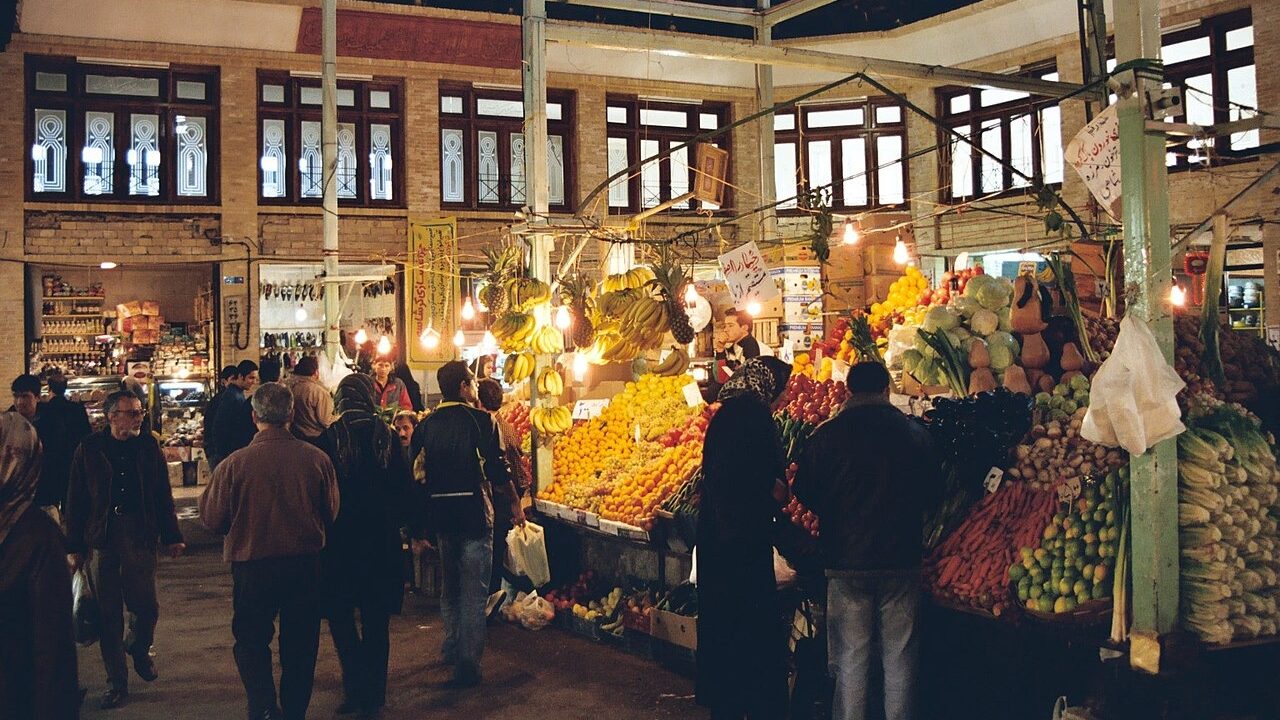
Shoppers interviewed in Tehran said they were checking prices carefully, visiting several stores to find lower prices and buying only essentials. Markets remained busy, but many visitors were browsing rather than buying, and some shopkeepers said they could no longer afford to restock the goods they sell. Fresh produce remained widely available in stores despite the higher prices.
The International Monetary Fund has projected average inflation of around 69% for Iran in 2026, according to Euronews, amid continued weakness in the rial.