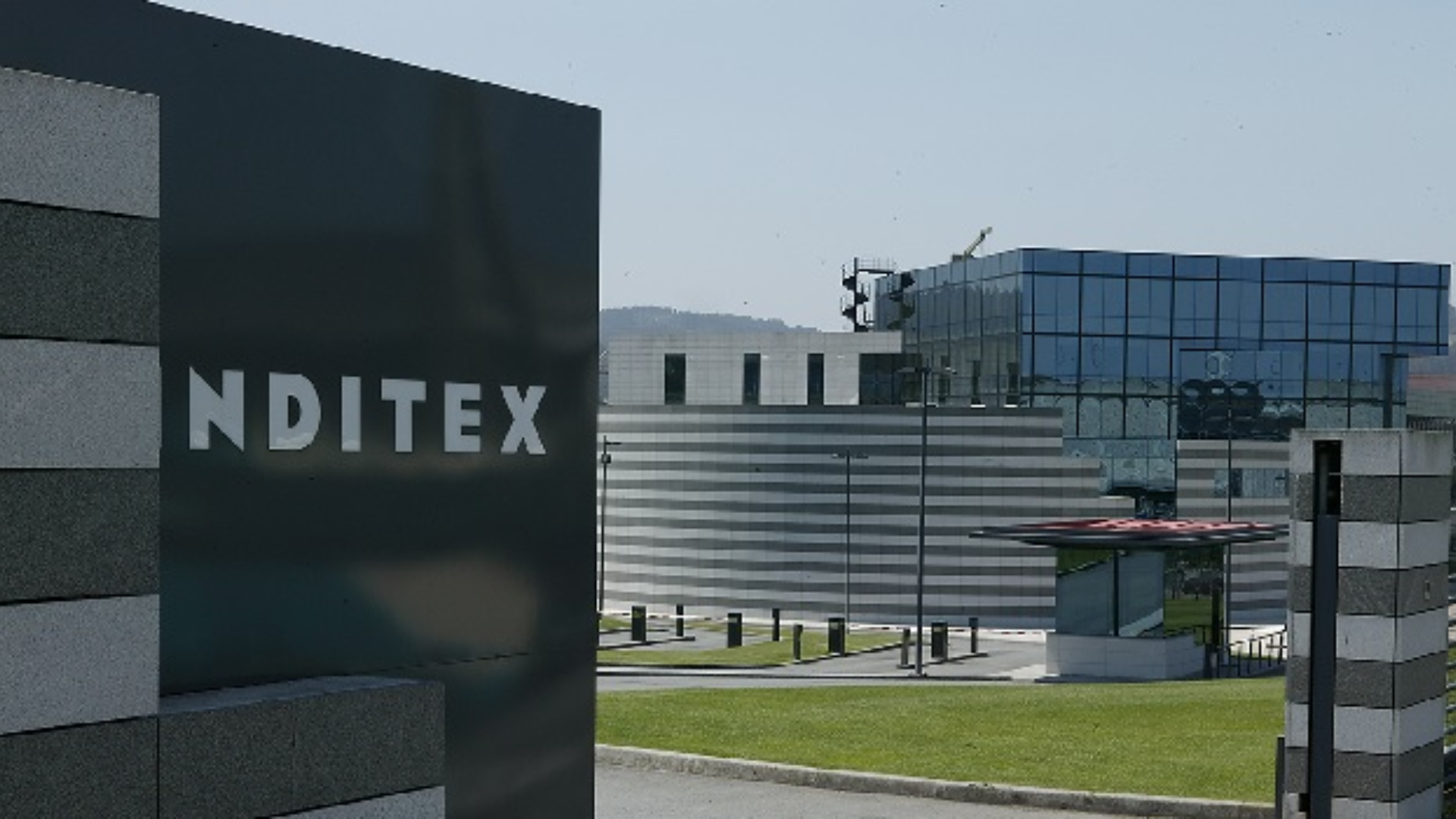
Inditex has distributed shares worth a total of EUR 14.8 million to its senior executives under its long-term incentive plan covering 2023–2027. In the first phase of the programme, 301,220 shares were allocated to management at a price of EUR 49.24 per share.
CEO García Maceiras receives the largest share
A total of 14 senior executives were rewarded under the plan, with CEO Óscar García Maceiras receiving the largest award: 39,908 shares worth around EUR 1.96 million, making him the top recipient of the first cycle.
Other executives received varying numbers of shares, creating a multi-tiered reward structure.
A two-cycle, long-term model
The incentive plan was designed to run in two separate cycles over 2023–2027 and combines cash and share-based components.
Payments for the first cycle are due after the publication of the 2025 financial results, while the second cycle will be based on 2026 results. The structure aims to link senior management performance to long-term targets.
A controversial detail
The distribution list drew attention because it included people close to the chairman who hold no formal role in the company's management. This raised questions about the scope and limits of the incentive plan.
Strategic message: commitment and continuity
Inditex's move is seen as part of a strategy in global fashion retail to retain senior management and reward performance. The company aims to reinforce its message of commitment to long-term growth targets.
Retail EMEA's view
Inditex's share-based incentives for senior management are a strong example of an approach that has become standard in global retail. Companies are not just rewarding performance; they are also making their executives partners in the long-term growth story. In markets such as Türkiye, however, similar practices remain limited. Incentive structures in retail there are still largely shaped by short-term bonuses and operational targets, reflecting a sector dominated by family-owned companies and a cautious approach to sharing equity.
Nevertheless, the sector's changing dynamics suggest this approach may shift. The rise of e-commerce, international competition and a growing need for professional managers could push companies towards more sophisticated incentive models. For retailers with international expansion ambitions or those raising investment in particular, share-based incentives could become an important tool for retaining senior management and aligning it with strategic goals.
It would come as no surprise if retailers in Türkiye moved beyond classic bonus schemes towards longer-term models that build commitment. In that sense, Inditex's move is not just a reward decision but a strong signal of how the sector may take shape in the future.