The International Finance Corporation (IFC) has completed its investment in an expansion programme by Melcom, one of Ghana's largest retailers, according to the lender's project disclosure, which records the investment as made on 2 January 2026.
The project has a total estimated cost of about US$61m. IFC committed up to US$30m in an A loan from its own account, with up to US$20m expected from parallel or B lenders and US$11m from Melcom's internal cash. The financing is supported by the International Development Association's local-currency facility for the private sector, which allows the retailer to borrow in cedis and reduce exposure to exchange-rate swings. IFC's board approved the deal in December 2023 and the loan agreement was signed in September 2024.
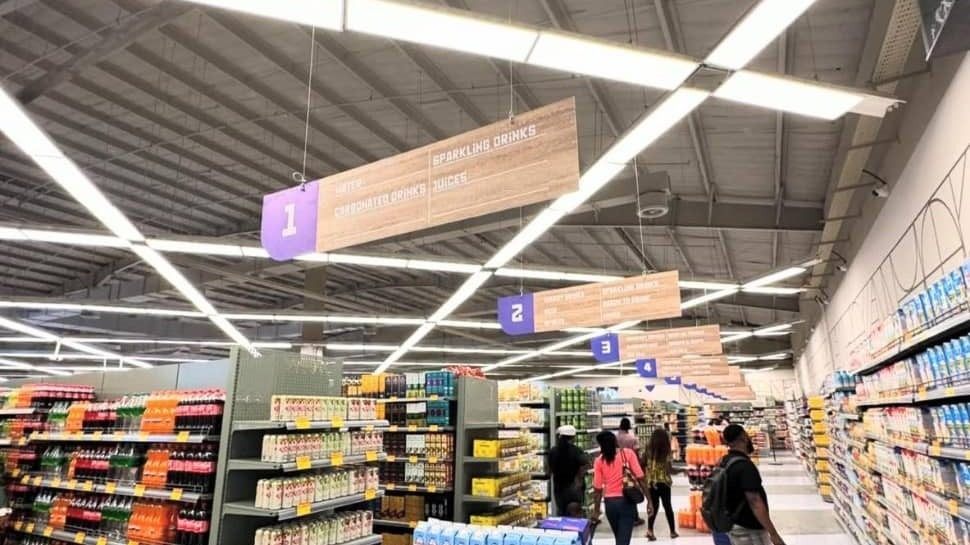
According to the disclosure, the money will fund 22 new stores with a combined retail area of around 128,000 square metres, built on land already owned by the company and designed to meet the EDGE green-building standard. The plan also includes rooftop solar installations, expanded warehousing and cold-room capacity serving both Melcom's stores and its wholesale customers, upgrades to IT and operating systems, investment in its e-commerce platform, and working capital.
Melcom is a family-owned business founded more than 30 years ago and runs over 60 stores selling groceries, household goods and general merchandise, according to IFC. Recent openings have included outlets at Accra's West Hills Mall and Accra Mall. An industry feature published in mid-2026 ranked Melcom as Ghana's largest grocery retailer by revenue and reported that it was preparing a quick-delivery app using its stores as fulfilment points.
Development lenders have shown growing interest in formal retail in West Africa as a way to modernise food supply chains and create jobs. For Melcom, cedi-denominated funding at scale is significant: the currency's past volatility made dollar debt expensive for local retailers, and the new stores will compete with an evolving market that now includes Carrefour, which entered Ghana in 2026 by taking over the former Shoprite sites.