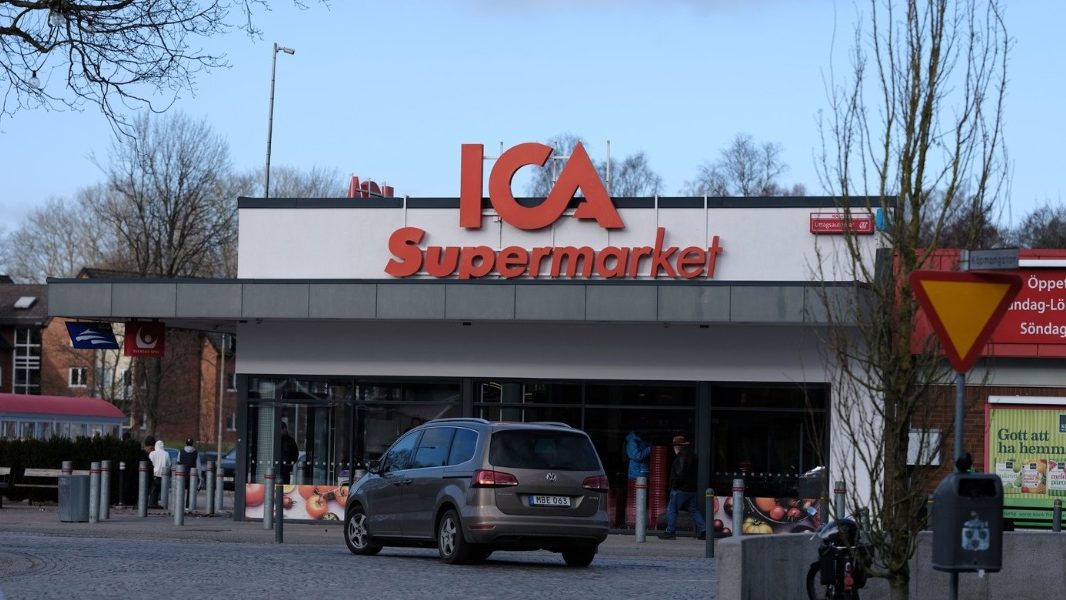
Swedish supermarkets were among those affected by a suspected cyberattack on store refrigeration systems that spread across several European countries overnight from 1 to 2 November 2026.
According to reports compiled by FreshPlaza, several ICA stores and seven Coop supermarkets in Sweden experienced refrigeration problems. Swedish media reported that temperatures in some affected units rose to around 50°C, according to the Dutch technology site IO+. The number of ICA stores involved was not specified.
The same night, about 40 Delhaize stores in Belgium and Luxembourg were hit, along with 15 Carrefour and five Spar stores. In Ireland, 13 SuperValu stores were affected, with the problem linked to a specific refrigerator model. At least 17 businesses in the Netherlands, mainly butchers and neighbourhood shops, reported problems, as did some K-stores in Finland and a Selver supermarket in Estonia. The Belgian refrigeration installer Sabcobel said evaporators had been remotely switched to defrost mode, and that the affected units required physical modifications to close the vulnerability.
The attacks followed a larger incident in France in mid-October, when refrigeration controllers in hundreds of supermarkets operated by groups such as Intermarché, Système U and Leclerc were hijacked remotely. Security researchers had earlier in 2026 disclosed vulnerabilities in widely used refrigeration controllers made by Danfoss and Copeland, for which fixes were released, although no direct link to the attacks had been confirmed. Cybersecurity authorities were investigating, and the perpetrators had not been identified.
For Swedish grocers, the incident adds a new dimension to operational risk. ICA's store network is largely run by independent retailers, while Coop operates through consumer cooperatives, meaning that responsibility for store equipment and its maintenance is spread across many owners.
The episode is likely to increase pressure on retailers and equipment suppliers to secure remote access to building management systems, which have become standard in modern supermarkets to save energy and monitor food safety.