Hagar, Iceland's biggest grocery and fuel retailer, has raised its profit forecast for the year after a strong summer trading period.
For the second quarter of its 2026/27 financial year, which ended on 31 August, sales rose by 5.5% to ISK 54.7bn (about €402m). First-half sales totalled ISK 105.5bn. Gross profit in the quarter was ISK 13.5bn, a margin of 24.7%, and EBITDA increased to ISK 5.7bn from ISK 5.5bn, a margin of 10.4%. First-half EBITDA was up 13.3% at ISK 10.8bn. Net profit in the quarter fell, however, to ISK 2.3bn from ISK 2.6bn a year earlier, bringing six-month profit to ISK 4.2bn.
On the back of these results, the group raised its full-year EBITDA guidance by ISK 800m to between ISK 19.6bn and ISK 20.1bn. Chief executive Finnur Oddsson said operations had performed well over the summer months.
The domestic grocery business was the main driver. Segment EBITDA rose 17.1% in the quarter, while customer visits to Icelandic grocery stores increased 3.2% and units sold 1.3%. At the Olís fuel business, revenue grew 3.3% even though fuel volumes fell 11.1%. In the Faroe Islands, revenue rose 8.7%, EBITDA increased 13% and customer visits were up 2.8%.
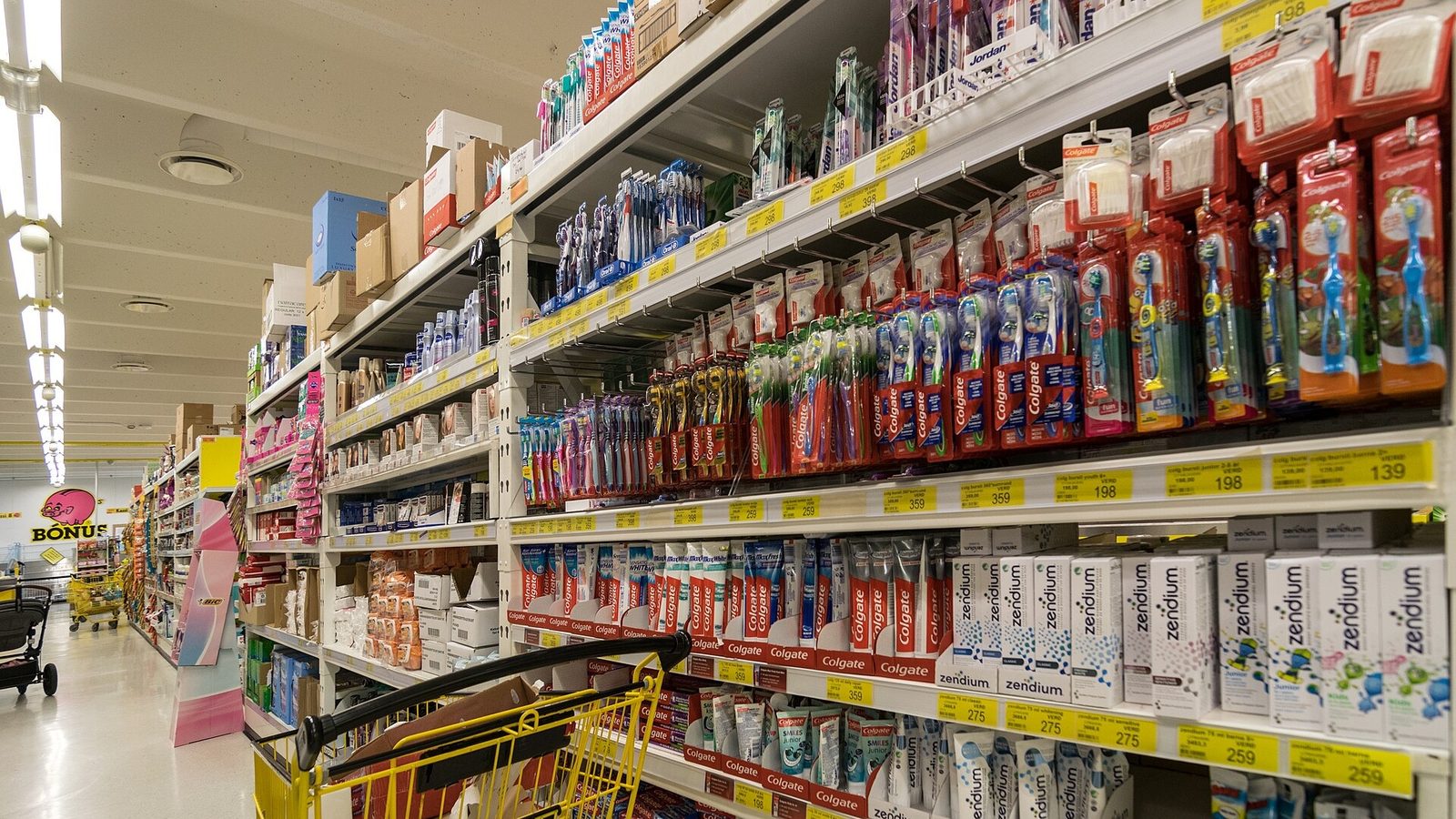
Price remains central to Hagar's strategy. The company said its partnership with Denmark's Salling Group had now brought around 650 products into Bónus and Hagkaup, priced on average about 15% below alternatives. Hagar also cut prices by 2% on almost 1,000 directly imported products until the end of the year.
The upgrade marks a change from the start of the financial year, when Hagar kept its guidance unchanged despite a first quarter ahead of forecasts, citing oil price volatility.
Competition in Icelandic grocery has intensified in 2026. Samkaup, part of the Drangar group, has introduced the SPAR brand and plans to convert its convenience chains, and has also partnered with Iceland Foods on frozen food concessions in Nettó stores. Krónan, part of Festi, remains Hagar's other main rival.