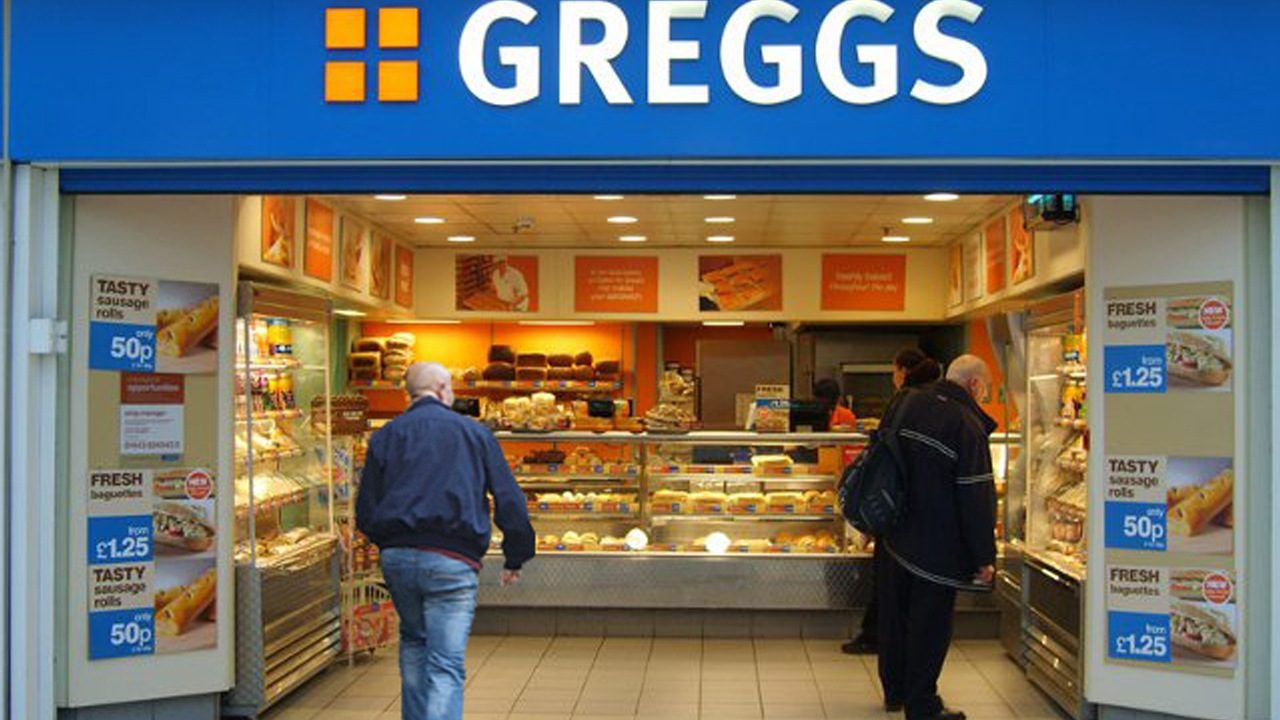
Greggs, the UK's largest bakery-to-go chain, reported a pick-up in trading in its third quarter and nudged up its expectations for the year. In a trading update published on 30 September, the company said total sales rose 7.7% in the 13 weeks to 26 September, with like-for-like sales in company-managed shops up 3.4%.
Over the year to date, total sales were up 7.4% and like-for-like sales 2.6%. Greggs credited new menu launches, including iced summer drinks, relaunched salads and protein-focused products, as well as milder weather in August and September, for the improvement.
The company said it now expects a modestly improved outcome for 2026, citing the better recent trading and tight cost control. Analysts had previously been forecasting broadly flat profits, according to Proactive Investors. Brokers were divided on the update, with Panmure Liberum upgrading the shares to buy while others highlighted rising cost inflation.
At the same time, Greggs announced proposals to consolidate its manufacturing network. Reports indicated the plan involves the closure of four factories and around 740 redundancies, as the business concentrates production in larger, more efficient sites. The company has invested heavily in new distribution and manufacturing capacity in recent years to support its expansion, and chief executive Roisin Currie has said the business is making itself fit for the future.
Greggs had 2,796 shops at the end of the period, of which 2,157 were company-managed and 639 run by franchise partners. It continues to target between 100 and 110 net new openings in 2026, along with 12 Greggs Express installations, which are smaller units placed in partner locations such as supermarkets and forecourts.
The chain has broadened its appeal with longer evening opening hours, delivery partnerships and a growing presence at travel locations and drive-thrus, as it competes with coffee chains, supermarkets' meal deals and fast-food operators for on-the-go spending. Its value positioning has helped it weather the squeeze on UK household budgets, although rising employment costs following recent changes to national insurance and the minimum wage remain a pressure across the UK food service sector.