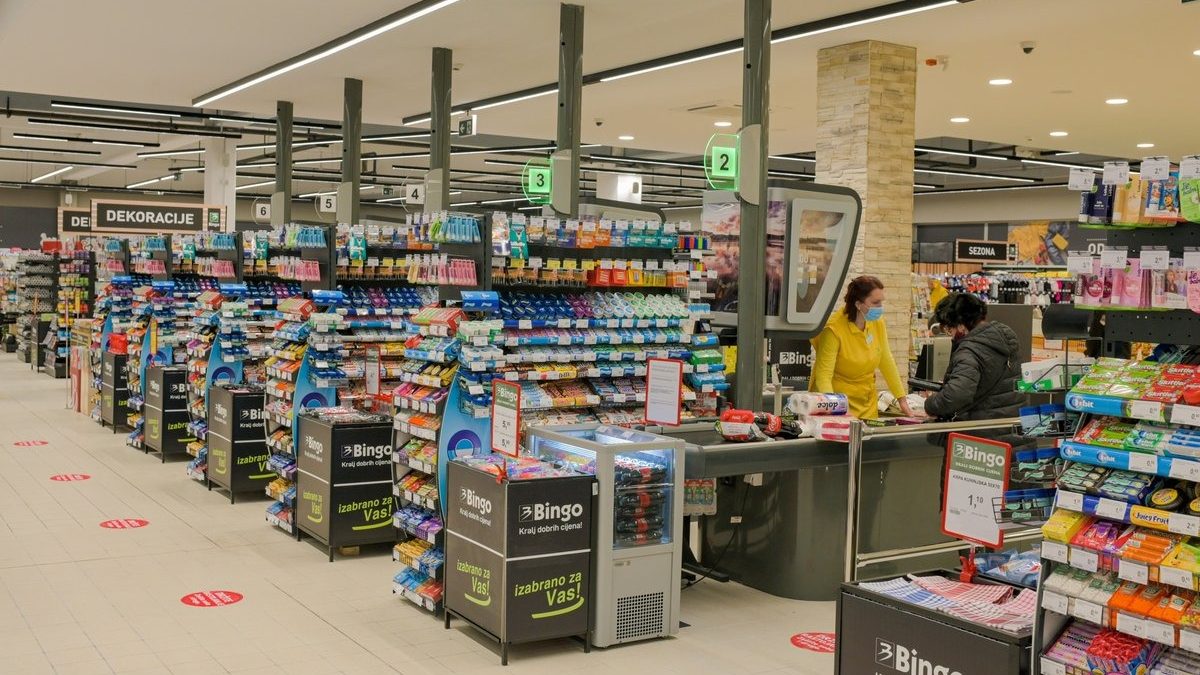
Retailers in the Federation of Bosnia and Herzegovina, one of the country's two entities, must continue to keep their stores closed on Sundays, authorities have confirmed, ending speculation that the restrictions might be relaxed.
In a statement dated 15 October 2026, the Ministry of Trade, Tourism and Environmental Protection of Herzegovina-Neretva Canton reminded retailers that they must comply with the legally prescribed opening hours and that inspections and penalties for breaches remain in place. The statement did not introduce new rules, a transition period or any general suspension.
The restrictions stem from the Federation's Law on Internal Trade, which took effect in November 2024. Under Article 18, shops may trade from Monday to Saturday for up to 90 hours a week, but most retail premises must remain shut on Sundays and public holidays. The first compulsory non-trading Sunday was 17 November 2024.
The law includes a list of exemptions. Bakeries, florists, souvenir shops and traditional crafts businesses may open, as may shops located in petrol stations, transport terminals, airports, hospitals and hotels. Certain outlets in cultural and religious locations, pharmacies under their own rules, vending machines, some agricultural sales and temporary sales at fairs are also covered. Online sales continue, but advisers have stressed that this does not entitle a physical store to open on Sundays.
Municipal and city councils can ask for local exemptions, but these must be approved by the Federation government after review by the federal trade ministry. On 4 March 2026 the government rejected requests from six municipalities and two cities, including Konjic, Visoko and Tešanj, which had sought permission for Sunday trading.
The rules were introduced to give retail employees a regular day off, while the exemption requests show that some municipalities, particularly those reliant on visitors, would prefer more flexibility. The Federation law does not apply in Republika Srpska, the country's other entity, which sets its own trading-hours rules. The issue is likely to remain under discussion as international chains, including Lidl, prepare to open stores across the country.