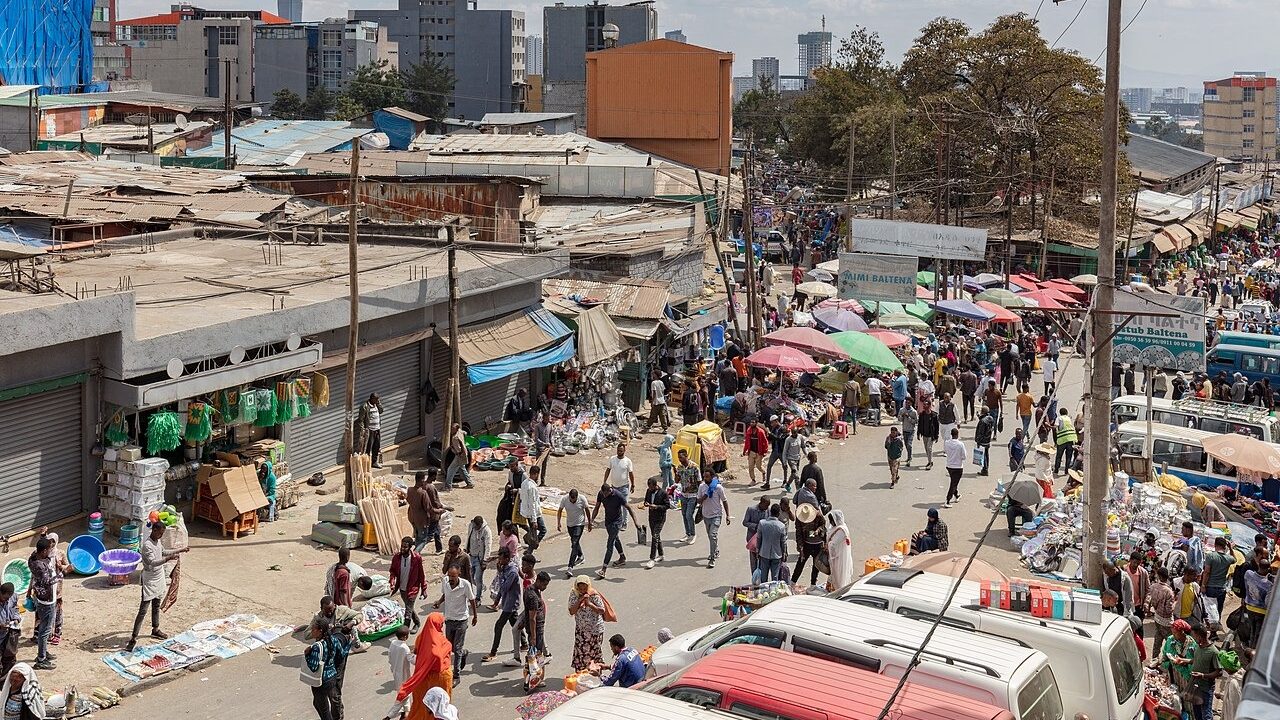
Ethiopia's annual inflation rate rose to 15.3% in July 2026, up from 13.9% in June and 13.4% in May, according to data from the Ethiopian Statistics Service (ESS) reported by Addis Standard. The figure compares with 9.7% in December 2025, reversing a period of easing price growth.
Food and non-alcoholic beverage prices rose 15.7% year on year, while non-food inflation accelerated sharply to 14.8% from 12.2% a month earlier. On a monthly basis, consumer prices increased by 2.6% in July, compared with 0.9% in June.
Some everyday grocery categories saw much steeper increases. Prices in the sugar, jam, honey and chocolate group were up 39.4% on a year earlier, and non-alcoholic beverages including coffee rose 33%. Meat prices increased by 21.6%, oils and fats by 20.3%, fruit by 19.2% and milk, cheese and eggs by 18.9%. Staples rose more slowly, with bread and cereals up 8%. Among non-food categories, clothing and footwear rose 15%, restaurants and hotels 15.3% and transport 15.6%.
The statistics agency linked non-food price pressures to the depreciation of the birr against the US dollar, higher international fuel prices and the economy's reliance on imported inputs. The birr has weakened steadily since the government floated the currency in 2024 as part of an IMF-backed reform programme. Ethiopia recorded the largest rise in inflation among ten major African economies in the first half of 2026, the report noted. The ESS also said it now collects prices from 200 markets, up from 120.
For retailers, the data point to squeezed household budgets and changing shopping behaviour, with consumers trading down or buying smaller quantities. Later figures showed inflation easing slightly to 14.9% in September. Supermarket operators, including Queens Supermarket, which is converting its stores to the Carrefour brand, and newer international entrants rely heavily on imported goods, making them particularly exposed to currency movements. City authorities in Addis Ababa have encouraged shoppers to use Sunday markets and consumer cooperatives for lower-priced staples.