Estonia's main grocery retailers recorded only marginal sales growth in 2025, and several saw profits fall sharply, according to an ERR review of the chains' annual reports published in mid-2026. The broadcaster linked the weak performance to subdued consumer demand, a VAT increase and higher prices.
Coop, the market leader, lifted net retail turnover by 0.2% to €855.3m, while its business profit fell by around a quarter to €10.2m. The cooperative, which has about 315 stores and a market share of roughly 23%, reports differently from investor-owned chains, making direct comparisons difficult.
Selver, owned by Tallinna Kaubamaja Grupp, also grew turnover by 0.2%, to €622m, below the average for the segment. Its profit dropped about 20% to €10.34m, which ERR attributed to lower volumes and a larger share of promotional sales.
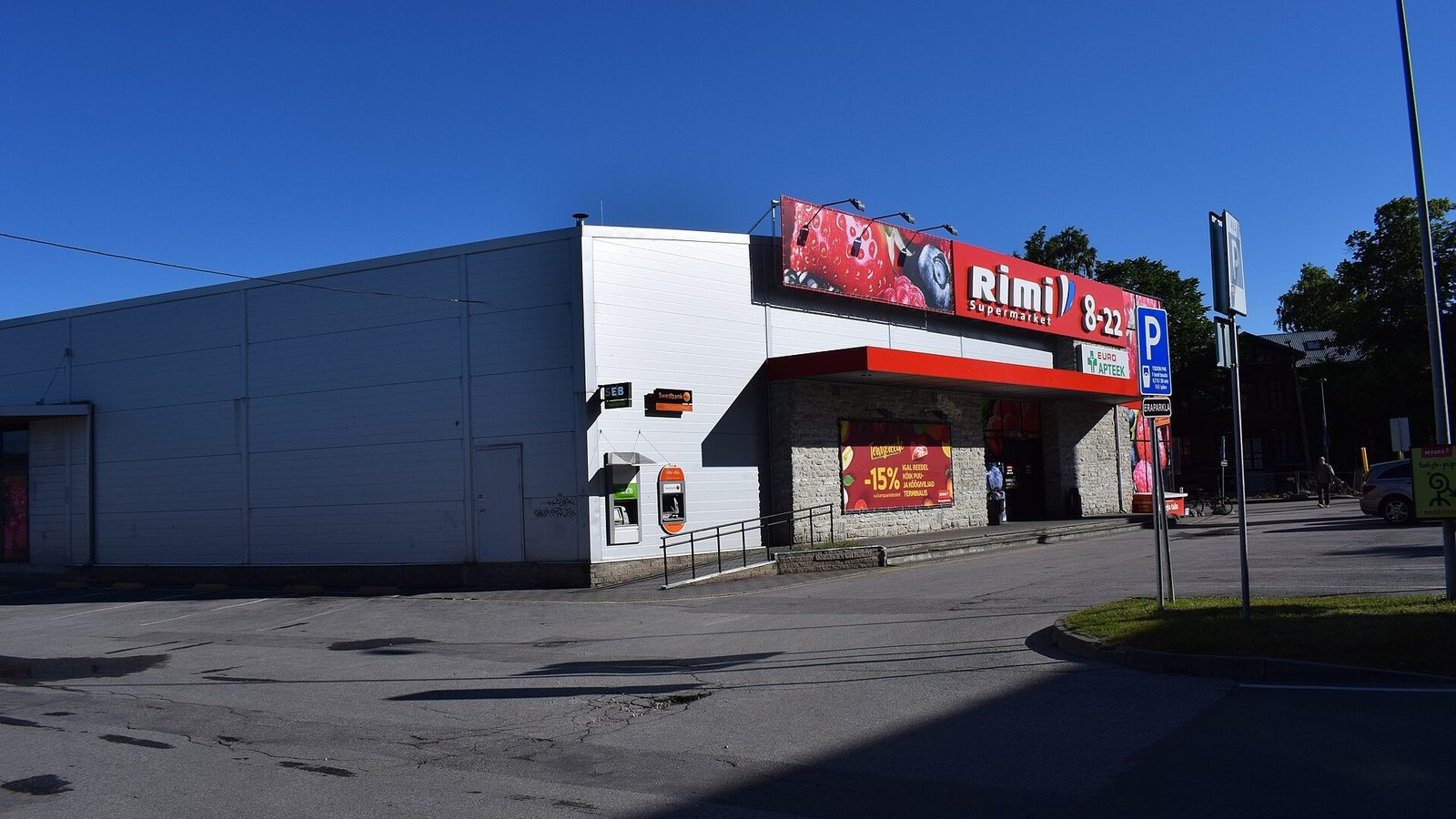
Maxima increased turnover by about 0.4% to €601m from 86 stores, but more than doubled net profit to €15.8m, up 116%. Rimi, by contrast, saw turnover rise just under 0.5% to €484.98m while profit fell 69% to €2.45m from more than €8m a year earlier. Rimi, with 83 stores and a market share of 13.2%, continued to see declining volumes.
The standout performer was Grossi, operated by OG Elektra, which grew turnover by 14% to €288.23m and increased profit by 11% to €12.98m. The chain runs 85 food and essentials stores and two non-food outlets.
Prisma, which was in the process of being sold to Coop, grew turnover by about 1% to €207.7m but posted a loss of €3.79m, 7% larger than in 2024. RR Lektus had not filed its report when the review was written.
The results underline why most chains have opted for cautious 2026 plans focused on refurbishment and cost control, and help explain the consolidation that saw Finnish group SOK exit the market.