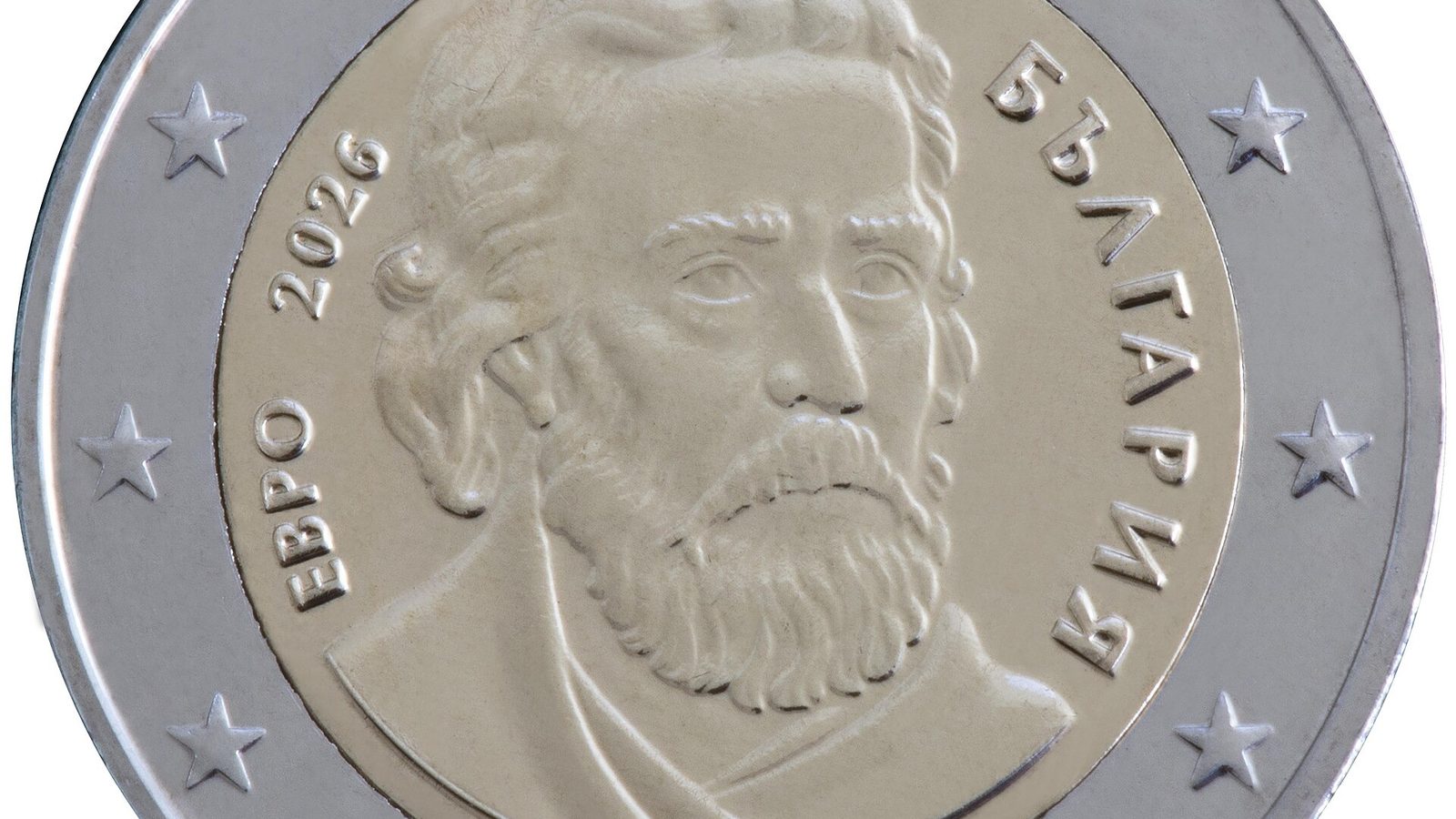
Bulgaria's switch to the euro on 1 January 2026 had a limited and largely one-off impact on consumer prices, and large retail chains generally applied the fixed conversion rate correctly, according to an analysis published on the European Central Bank's blog in April 2026.
The authors examined price data for around 1.4 million products sold by large retailers in Bulgaria. They found that price changes around the changeover were minimal, typically amounting to a few euro cents, which they said indicated that retailers had followed the official conversion rate and legal rounding rules. The share of so-called attractive price endings, such as €0.99, fell markedly after the switch but has since been creeping back up, suggesting that retailers are gradually realigning shelf prices to familiar endings.
The ECB economists estimated that the changeover added around 0.1 percentage points to headline inflation, with the effect concentrated in services, where prices rose unusually in January 2026. They described those increases as predominantly short-lived. Econometric analysis also suggested that some businesses may have adjusted prices before the changeover took effect.
Bulgarian authorities introduced a range of safeguards, including price monitoring and inspections to tackle abusive practices, and required retailers to display prices in both euro and lev for a full year from August 2025 to August 2026. The blog noted that public concern about rising prices had begun to ease and that support for the euro was increasing.
The findings are relevant to grocery chains such as Kaufland, Lidl and Billa, which faced political pressure over food prices both before and after the changeover. Food price inflation has remained a sensitive issue in Bulgaria during 2026, prompting the government to hold talks with retailers and propose changes to competition and consumer protection law.