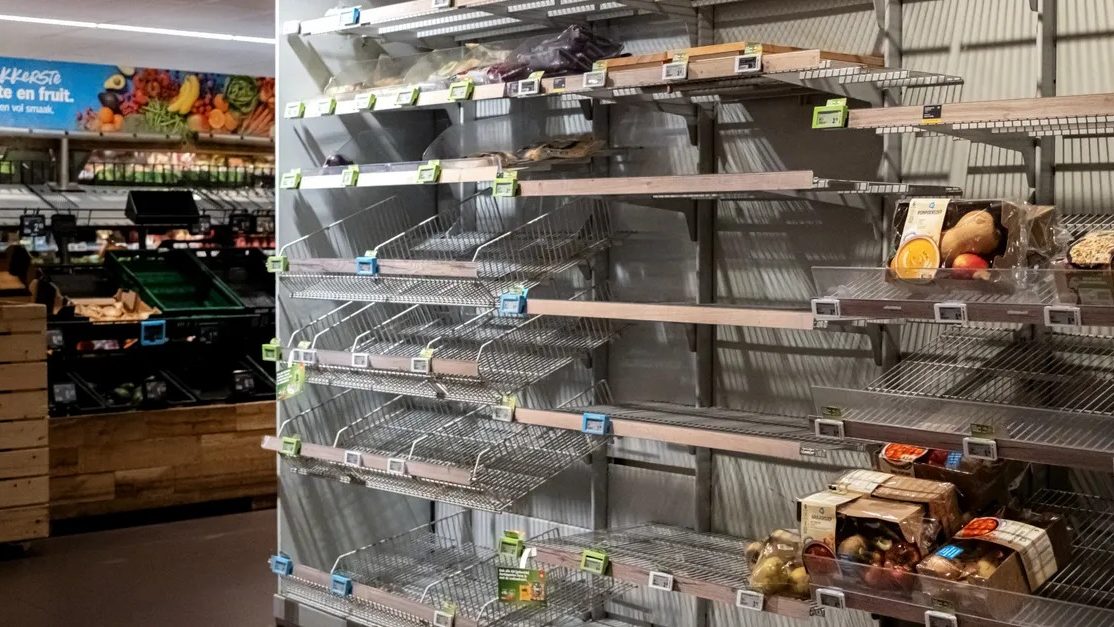
The Netherlands’ leading supermarket chains are making new preparations to ensure people can continue to access food and drink during prolonged power outages. Major retail chains such as Jumbo, Albert Heijn and Aldi plan to specially prepare certain stores for large-scale blackouts that could hit the country.
According to a report by Dutch outlet NL Times, citing Het Financieele Dagblad (FD), the chains are working on a model that would ensure at least one store in every region can keep serving customers during a power cut.
Prolonged Outages Could Bring Retail to a Halt
Ruud Limmen, head of Albert Heijn’s Incident Management Team, says power cuts in the Netherlands currently last an hour and a half on average. However, he points out that in a major crisis or disaster, outages could last much longer.
A power cut directly affects supermarkets’ day-to-day operations. Checkout systems stop working, fridges and freezers shut down and payment terminals become unusable, making it difficult for stores to operate. In scenarios where card payment systems are down, customers may not be able to shop at all.
One Supermarket per Region to Stay Open
Under the plan, the chains aim to make designated stores in different parts of the country resilient to power outages, so that they can continue to provide essential services even when the normal power infrastructure is down.
Behind the preparations lie not only technical failures but also growing geopolitical and security concerns. Scenarios being considered include potential threats from Russia as well as large-scale cyberattacks, floods and war. The possibility that such events could leave the country without power for days makes continuity of food supply all the more important.
A New Era for Retail: Operational Resilience Against Crises
The preparations in the Netherlands reflect an important approach to the role of supermarkets in times of crisis. Whereas store continuity has traditionally been addressed mainly through the supply chain, stock management and logistics, the uninterrupted operation of energy infrastructure and payment systems is now becoming an important part of operational planning.
In food retail in particular, a power cut does not just mean sales grinding to a halt. Maintaining the cold chain, access to basic food products and consumers’ ability to meet their daily needs are also directly affected.
Retail EMEA’s View
This development in the Netherlands shows that retail is not just a commercial activity but also plays a critical role in keeping society running. Food retail in particular is one of the sectors that ensures consumers can access their most basic needs in times of crisis.
Other markets would do well to consider the issue too. In Türkiye, for example, given earthquake risk, regional disasters, potential problems with energy infrastructure and cyberattacks, it is important that major retail chains do not limit their crisis scenarios to logistics and stock management.
Grocery chains in Türkiye could also consider positioning certain stores to serve customers during emergencies. This would require generators and alternative energy sources, checkout systems that can work offline, payment options that do not depend on an internet connection, cold-chain security and regional emergency stocks to be addressed together.
The real issue is not keeping every store open, but planning in advance which store can serve customers in a crisis, with which products, with what infrastructure and for how long.
In the retail competition of the future, it will not only be the fastest-growing chains or those with the most stores that stand out, but also the brands that can stand by consumers in times of crisis.