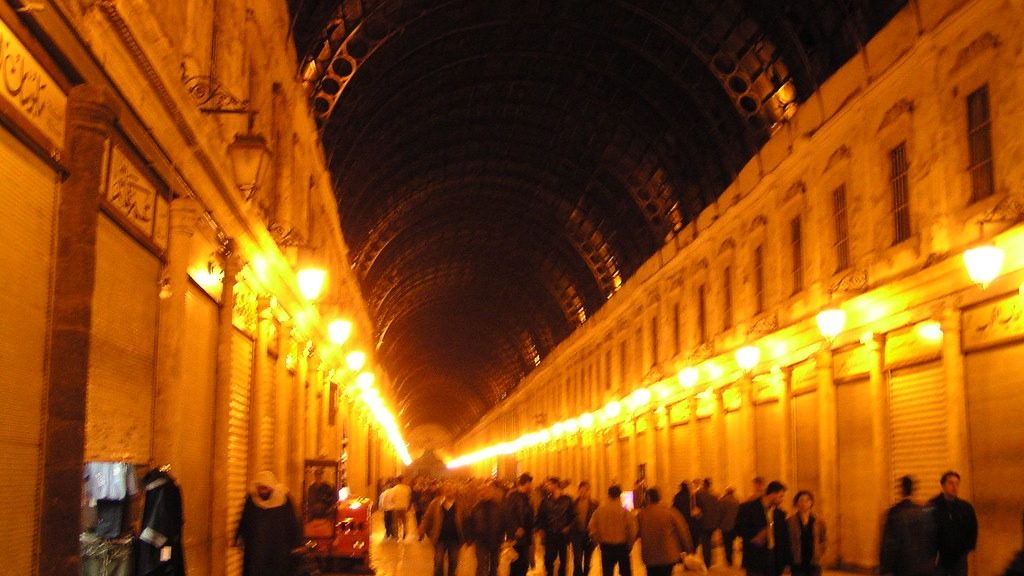
Damascus's traditional markets were busy in the days before Ramadan 2026, but much of the activity consisted of browsing rather than buying, according to a feature by Xinhua news agency published on 17 February and carried by Malaysia's The Star.
In the Sarouja, al-Hamidiyah and al-Bazouriyeh markets, stalls were well stocked with food, spices and household goods, along with traditional Ramadan staples such as dates, lentils, rice, dried fruit and roasted nuts. Shopkeepers said, however, that sales were slower than the crowds suggested, as customers spent more time comparing prices than making purchases.
Meat and poultry prices had risen steeply, the report said. One resident without a regular salary estimated that prices had doubled, while another shopper noted wide differences in prices between vendors for the same products. Residents interviewed said that salaries in both the public and private sectors lagged well behind the cost of living, and that many families depended on remittances from relatives abroad or on humanitarian aid to cover their needs.
According to the World Bank and the United Nations Development Programme, more than 90% of Syrians live below the poverty line, a figure that underlines the constraints facing the country's retail and food sectors.
Ramadan is traditionally the busiest period of the year for Syrian food retailers and traditional markets, with spending concentrated on staples and the ingredients for iftar meals. Syria's retail landscape remains dominated by traditional souks and independent shops, alongside the state-owned network of consumer outlets that is being restructured. The government redenominated the Syrian pound at the start of 2026, and later in the year a public-sector pay rise was introduced, although economists say incomes still fall far short of household expenditure needs.