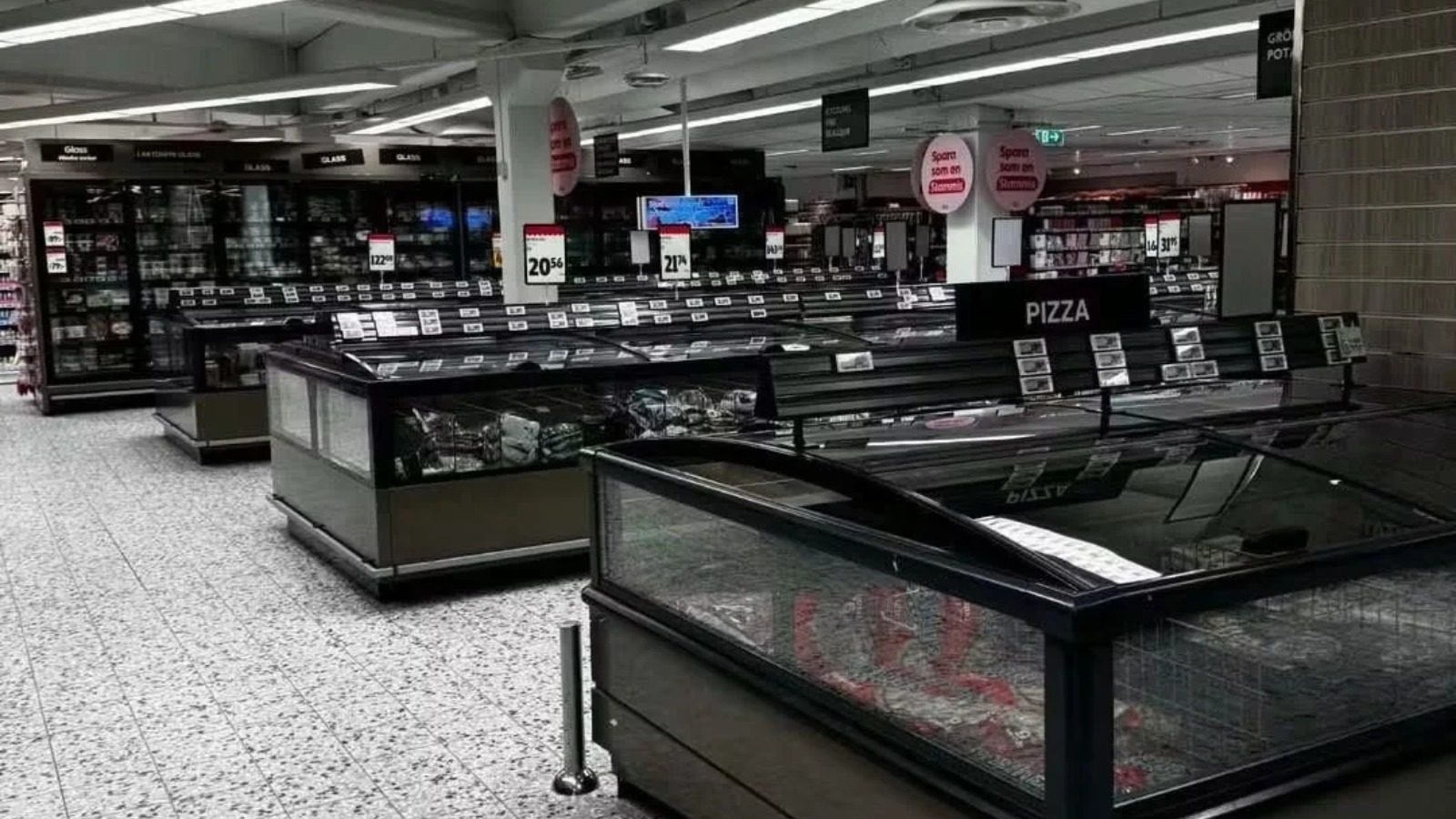
Supermarkets across Belgium were hit by a suspected cyberattack on their refrigeration systems overnight from Sunday 1 to Monday 2 November 2026, causing temperatures in fridges and freezers to rise sharply and forcing staff to rush to stores to save stock.
Delhaize said an IT incident had affected refrigeration and freezer equipment at about 40 locations. The disruption mainly hit Shop & Go convenience stores at Q8 petrol stations, Proxy Delhaize neighbourhood shops, motorway outlets and some larger supermarkets in Brussels, Flanders and Wallonia, The Brussels Times reported. Carrefour Belgium said it had problems at 15 stores and was analysing the situation. According to RTL Info, Delhaize alerted store managers at around 4am that temperatures were climbing, reaching about 15°C in some cases.
The Antwerp-area butcher's chain De Laet & Van Haver also reported that its refrigeration settings had been changed remotely. Operations manager Werner Muylle said alarms went off at around 3am, after the evaporators had been switched to defrost mode, and staff shut the system down before temperatures became critical. Some retailers brought in refrigerated lorries to preserve goods. Belgian media later reported losses of around €100,000 of stock at a single Delhaize store in Hoeilaart.
Reports indicated that supermarkets in several other countries, including Luxembourg, the Netherlands, Ireland, Sweden, Finland and Estonia, were affected at around the same time. The incident followed an attack in mid-October on refrigeration systems at roughly 150 supermarkets in France. Ahold Delhaize separately disclosed in October that it had detected suspicious activity within its IT infrastructure, and Delhaize said it was investigating whether the events were connected. No group had been confirmed as responsible at the time of reporting.
The attacks highlight a growing vulnerability for food retailers, whose stores increasingly rely on remotely managed building systems for refrigeration, lighting and energy optimisation. Such systems are often maintained by third-party installers, widening the potential points of entry for attackers and raising questions about cybersecurity standards across the supply chain.