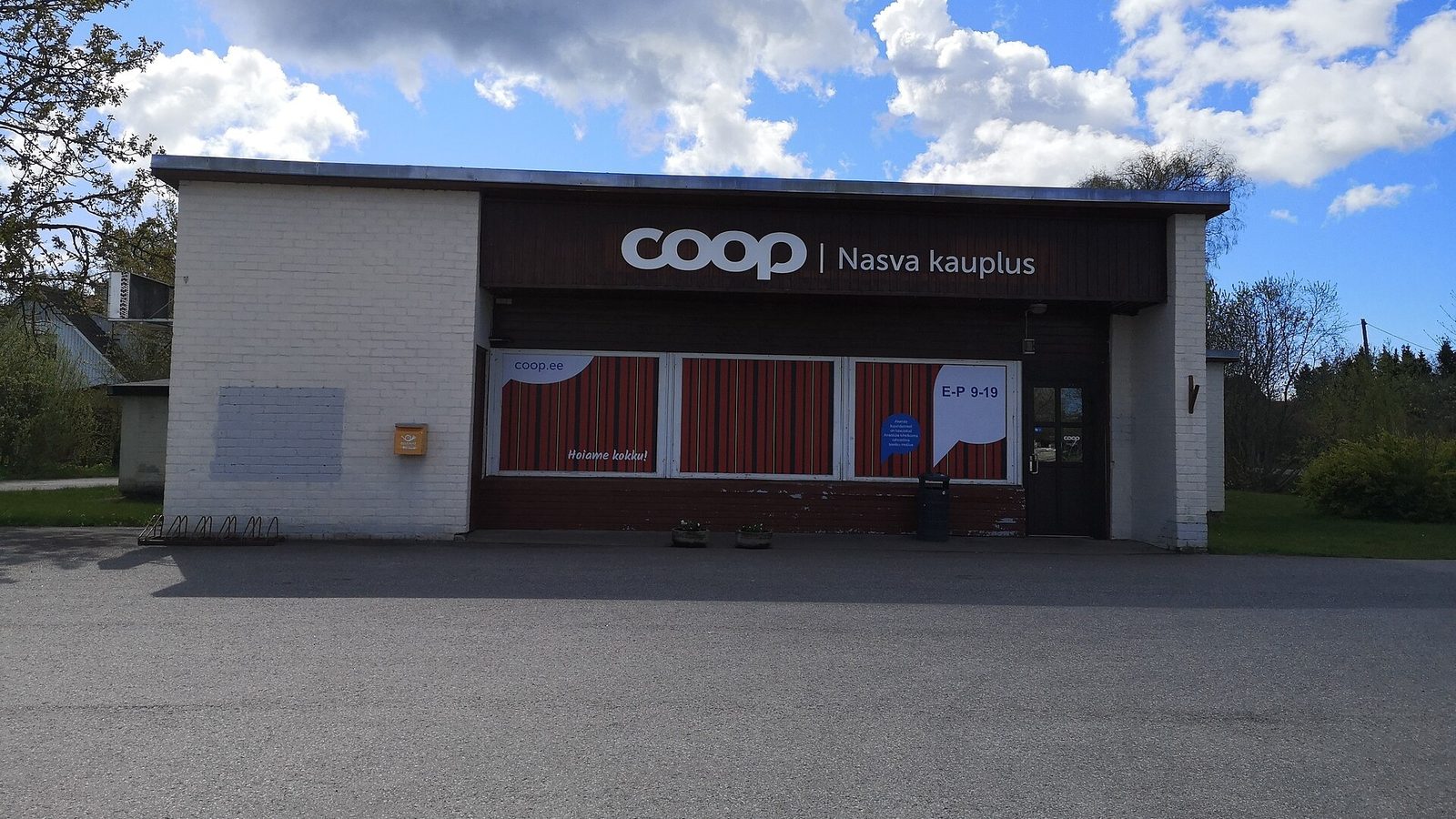
Coop Estonia, the country's largest grocery retailer by turnover, reported net sales of €855.3m for 2025 and a market share of 22.8%, according to results reported in May 2026. Profit, however, declined to €10.2m, which the cooperative attributed to its decision to absorb higher wage and supplier costs rather than pass them on in full to shoppers. It described the trading environment as challenging.
During 2025 the group's regional cooperatives invested €9m in opening four new stores and refurbished 12 existing outlets. For 2026 the plans are larger: Coop intends to open 13 stores and renovate 11 more, with total investment exceeding €20m. Older and smaller shops are being replaced with energy-efficient Coop Konsum grocery stores. Two of the new openings, Keila Maksimarket in Harju County and Puhja Ehituskeskus in Tartu County, had already been completed by the time of the results.
To counter falling profitability, the retailer is spending on automation. It said it invested €1.5m in renewing forklifts at its logistics centre in 2025 and is installing a warehouse robot worth around €0.5m in 2026, alongside continued investment in solar parks and electric vehicle chargers.
Coop also highlighted regional differences in shopping behaviour. Customers in Tallinn, Harju and Tartu counties have higher incomes and buy more varied, premium baskets, while shoppers in Ida-Viru County are more price-sensitive and focus on cheaper staples. The group argued that this justifies fiscal support such as a lower VAT rate on basic foods.
At the time of the results, Coop's planned takeover of Prisma Peremarket's 13 stores was awaiting clearance from the Competition Authority. If approved, the deal would raise Coop's national market share from about 23% to 28% and its share in Tallinn from 5% to 17%, although it would remain fourth in the capital.
The Coop group comprises 18 regional consumer cooperatives with more than 60,000 members and around 315 sales points across Estonia.