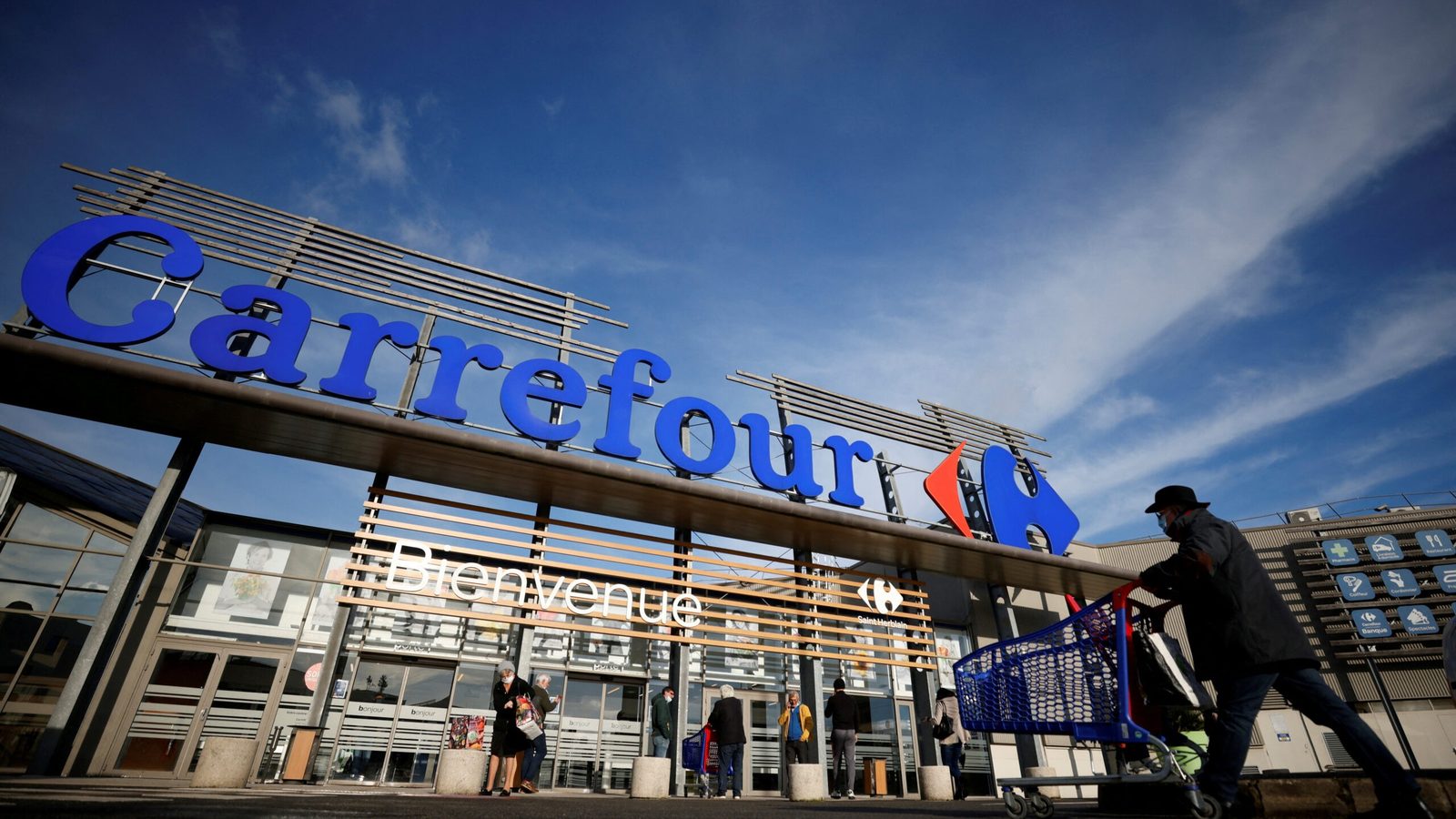
Carrefour is to enter Ethiopia through a franchise and supply agreement with Queens Supermarket, a subsidiary of MIDROC Investment Group, the conglomerate associated with Ethiopian-Saudi billionaire Mohammed Hussein Al Amoudi. The deal, announced in early January, makes the French group the first international supermarket chain to establish a presence in the country, according to regional business press.
Under the agreement, Queens Supermarket will operate Carrefour-branded stores using Carrefour's trademarks, operating standards and product systems. Reports said 13 existing Queens outlets, including branches in Bole and elsewhere in Addis Ababa, would be converted, with the first rebranded stores expected in the first half of 2026, and that 17 additional outlets were planned by 2028.
MIDROC also intends to use the partnership for a "farm-to-shelf" strategy, supplying Ethiopian products such as coffee, tea, spices, flowers and fresh fruit to Carrefour's international network. MIDROC Investment Group chief executive Jamal Ahmed said the agreement combined local market knowledge with Carrefour's global expertise to offer consumers high-quality and affordable services. The head of Carrefour's international partnerships business described Ethiopia as a priority market in the group's plan to enter new countries and highlighted the growth of Africa's consumer market.
The deal follows a significant change in Ethiopian policy. For decades, retail and wholesale trade were reserved for Ethiopian nationals. A directive adopted by the Ethiopian Investment Board in 2024 and amended in 2025 opened these sectors to foreign investors subject to minimum capital requirements, with retail entrants required to commit US$2.5m in paid-up capital. A franchise structure allows Carrefour to enter without investing its own capital, while the local partner carries the operational risk.
Analysts have pointed to challenges ahead. Ethiopia's modern grocery sector is small and concentrated in Addis Ababa, with most food sold through open markets and small shops. Chronic foreign-exchange shortages, the weakening birr since the 2024 currency float, high inflation and customs bottlenecks could all complicate the supply of imported goods that international banners typically rely on.