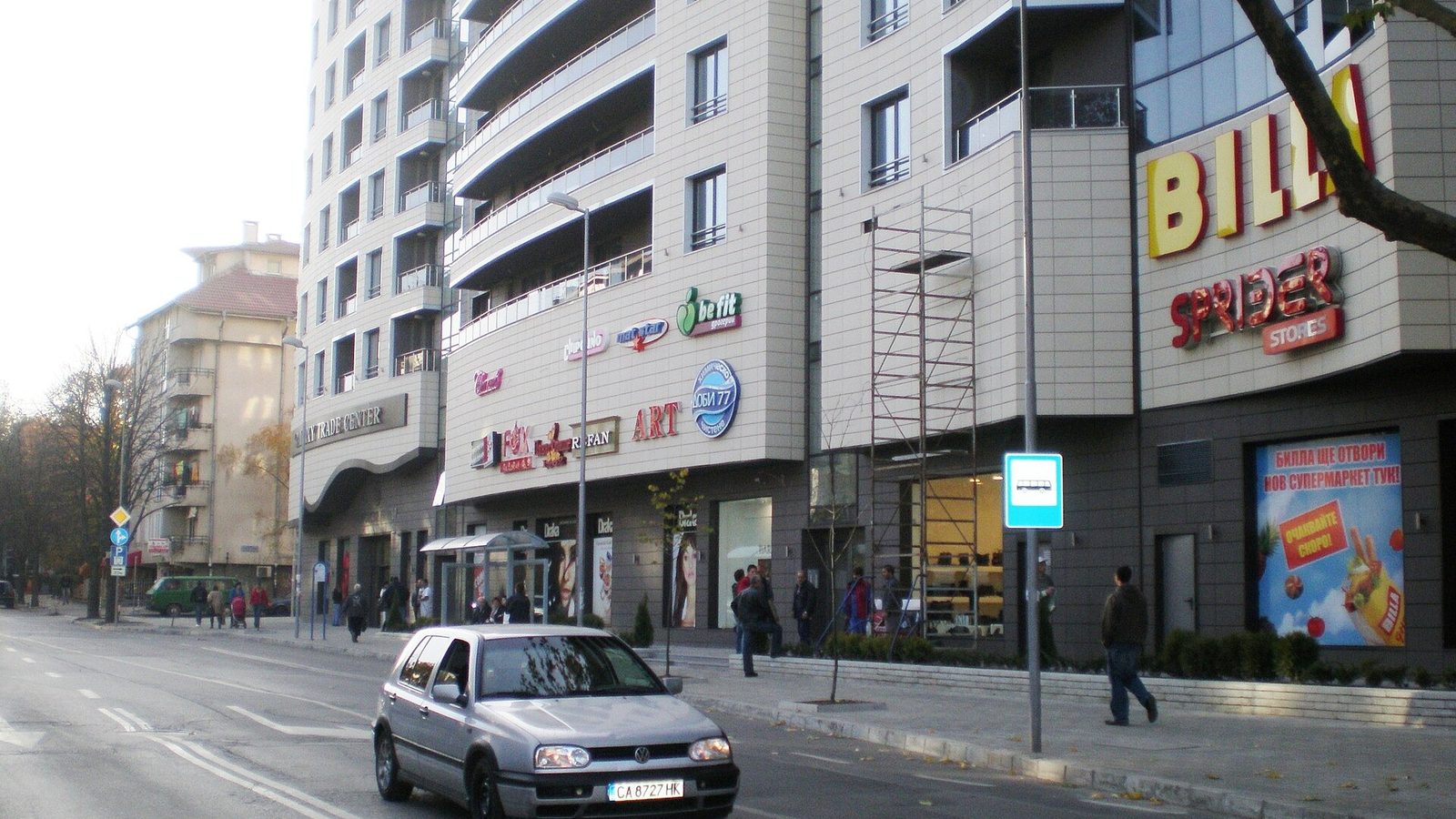
Bulgarian Prime Minister Rumen Radev met executives of the country's major retail chains at the Council of Ministers in Sofia on 19 May 2026 to discuss proposed legislation aimed at curbing increases in food prices, the state news agency BTA reported.
The talks focused on two bills supported by the parliamentary majority that would amend the Protection of Competition Act and the Consumer Protection Act. The government said the changes follow European practice, in particular German legislation, and are intended to increase price transparency along the supply chain, counter unfair trading practices, support domestic production and protect both competition and consumers.
Radev told participants that Bulgaria would not introduce a price cap, noting that Germany does not have one either, and said the state would use its powers over retailers only as a last resort. The meeting was also attended by deputy prime minister and economy minister Alexander Poulev, agriculture and food minister Plamen Abrovski and members of parliament.
Nikolay Valkanov, executive director of the Modern Trade Association, which represents large retailers, said after the meeting that both sides had agreed to hold a detailed expert discussion on the bills so that they meet their objectives without damaging competition, investment or the business climate. Further talks on specific measures were planned.
The proposals had a mixed reception earlier the same day at the National Council for Tripartite Cooperation, where employers' organisations declined to back the amendments. Trade unions supported them in principle but asked for clearer wording, definitions and safeguards for competition and consumers.
Food prices became a major political issue in Bulgaria around the country's adoption of the euro at the start of 2026, and the talks were followed weeks later by a voluntary discount scheme agreed between the government and retailers.