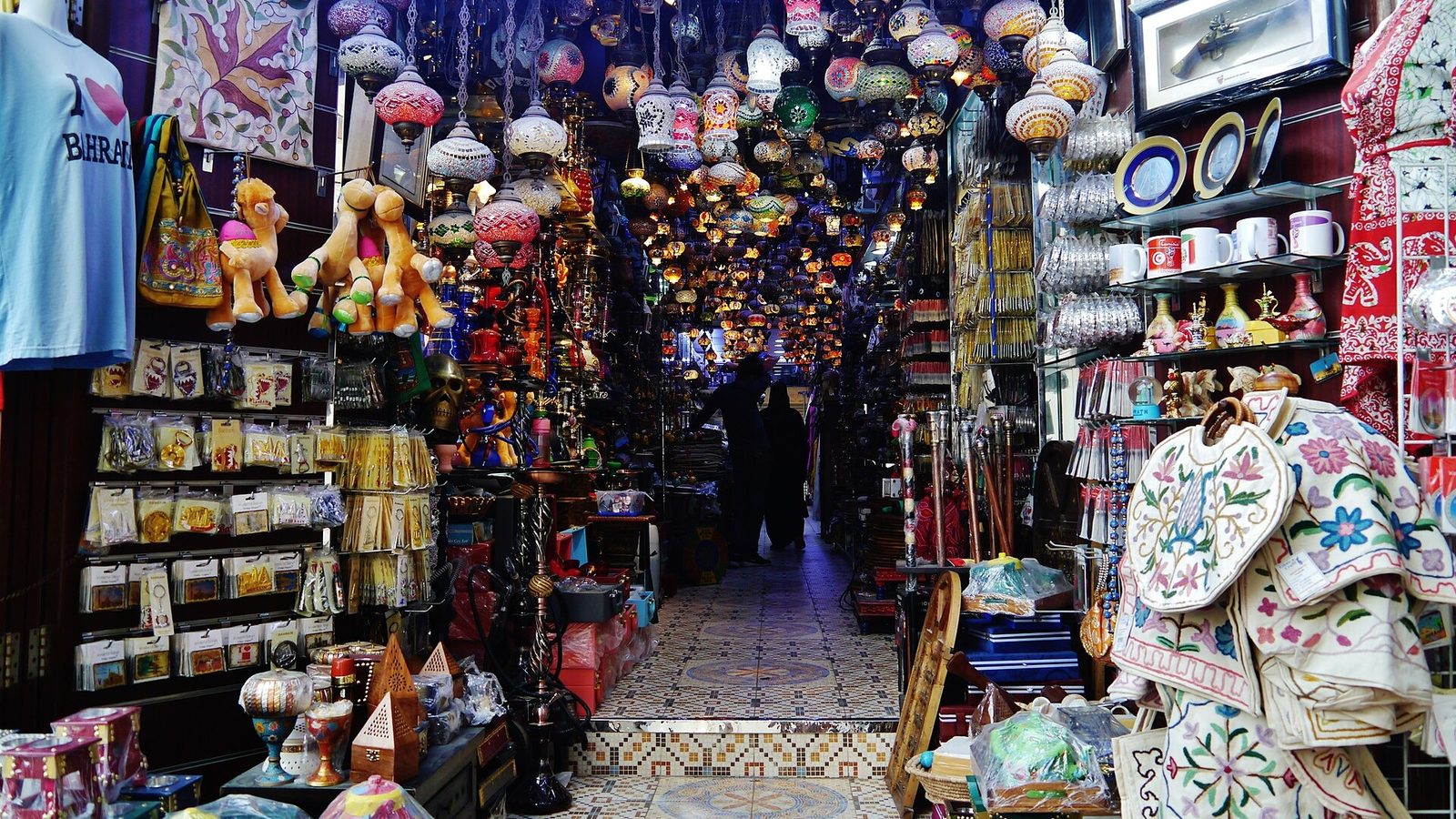
Bahrain's Ministry of Industry and Commerce stepped up monitoring of retailers and suppliers through Ramadan and Eid Al-Fitr in 2026, combining an expanded inspection campaign with ministerial visits to markets, hypermarkets and warehouses as regional conflict raised concerns about supply chains.
Ahead of Ramadan, the ministry announced wider field inspections of markets and shops alongside awareness campaigns for traders and consumers. Inspectors were tasked with checking that businesses held the right licences, that promotions and discounts were genuine, that prices before and after offers were accurate, and that shelf prices matched those charged at the till. The ministry said it would act against fraud, manipulation or unjustified price rises, and that inspections would intensify mid-Ramadan at high-demand businesses such as food stores, greengrocers, butchers and fishmongers, tailors, gold shops and sweet shops. Serious violations could lead to fines, administrative closure, deregistration or referral to the Public Prosecution.
In early March, Minister of Industry and Commerce Abdulla bin Adel Fakhro carried out field visits to retail outlets, warehouses and major markets and met food and consumer-goods traders and suppliers in coordination with the Bahrain Chamber of Commerce and Industry. The ministry said markets had sufficient stock, prices were stable and there had been no unjustified increases, which it attributed to resilient supply chains and effective oversight. It confirmed that appropriate stock levels were being maintained to absorb any changes.
Ahead of Eid, Assistant Undersecretary for Control and Resources Abdulaziz Al-Ashraaf said inspection plans had been extended to seasonal businesses including beauty salons, bakeries, restaurants, catering kitchens and malls. Inspectors were watching for misleading promotions and attempts to exploit higher demand.
The campaign came as several Gulf states took steps to calm consumers after the outbreak of hostilities involving Iran at the end of February. Kuwait froze food prices at pre-crisis levels, while Bahrain relied on monitoring and enforcement. Bahrain's parliament later in the spring approved amendments to the consumer protection law raising maximum fines to BD20,000.