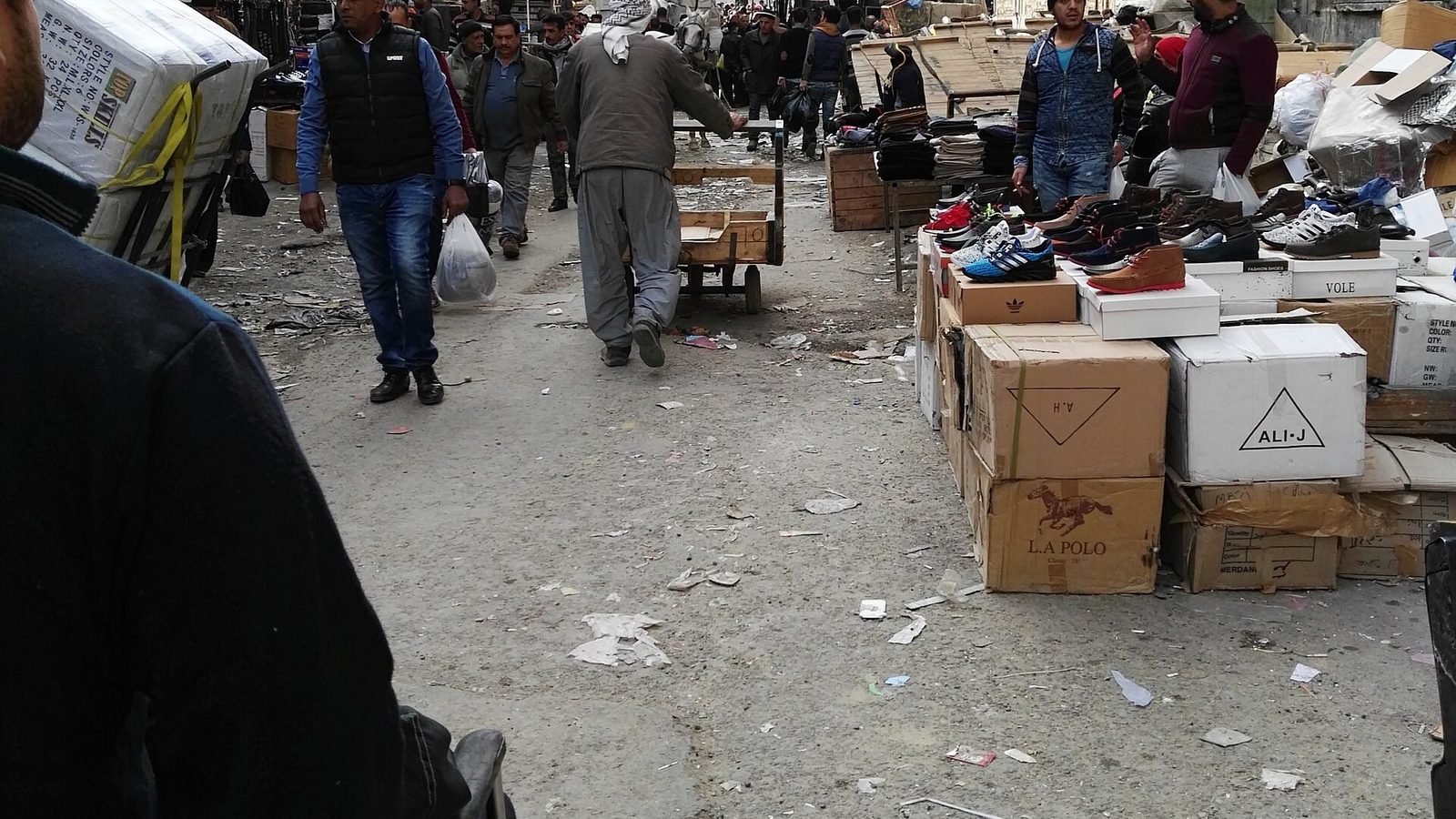
Many of Baghdad's best-known trading districts fell silent on 8 February as merchants began a general strike against higher customs duties on imported goods. According to Shafaq News, shops closed in Shorja, Al-Rasheed Street, Al-Rabie, Industrial Street, Karrada and Jamila, with the stoppage starting late on the Saturday and spreading through the city by Sunday morning.
The protest targets Cabinet Decision No. 957 of 2025, which widened the range of products subject to import duty and tightened enforcement at border crossings. The new tariffs took effect on 1 January 2026. The government has presented them as a way to raise non-oil revenue at a time when lower oil income is squeezing the federal budget, while traders have said that duties on some goods have risen by as much as 30%.
Merchants argue that the measure has fed straight through to shelf prices. They say higher landed costs have dampened consumer demand, slowed sales and left many businesses with losses. Importers have also complained of long queues of containers at border points and at Umm Qasr port, which they say adds storage and demurrage costs and disrupts the flow of stock to shops.
The striking traders asked the authorities to review the decision, suspend its implementation and agree an alternative approach that reflects current economic conditions. They said markets would stay closed until officials opened talks with the commercial sector, and warned that the action could spread to other provinces. At the time of the strike the government had given no indication that it would roll back or pause the measures.
Within days the protests did widen. Reports from Kurdistan24 and others described shuttered markets in several major cities, including Mosul, Kirkuk and Basra, by mid-February, while opponents of the decision also took a legal challenge to the Federal Supreme Court.
The dispute highlights how exposed Iraqi retail is to import policy. Most consumer goods sold in the country's traditional markets and in its growing number of modern malls are imported, so changes in duties quickly reach household budgets. For retailers, the tariff increase arrived alongside a wave of new international brand openings in Baghdad, underlining the gap between the modern mall sector and the traditional wholesale markets that still handle much of the country's trade.