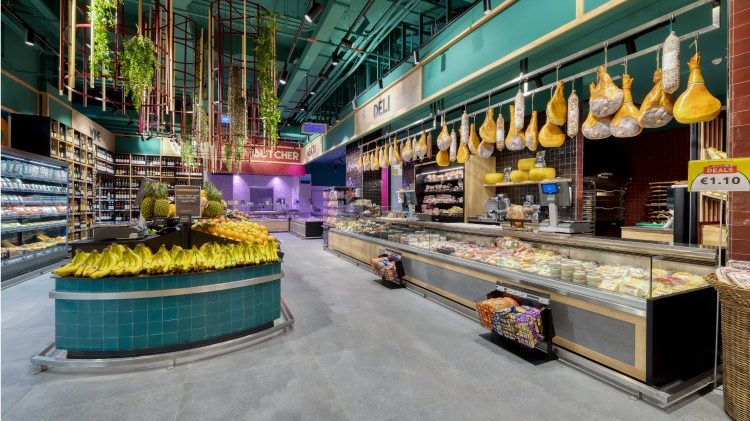
One of Malta's best-known supermarket names has disappeared from the high street after the Arkadia Foodstore chain was sold to Azzopardi Group and converted to the SPAR banner.
Mizzi Organisation, one of Malta's largest family-owned conglomerates, announced in July 2026 that it had agreed to sell the Arkadia supermarket business, without naming the buyer or disclosing the value of the deal, which was subject to conditions. The Business Picture, the business title of Times of Malta, subsequently confirmed that the purchaser was Azzopardi Group, the family business best known for tuna farming through Azzopardi Fisheries, which also controls the Miracle Foods grocery brand and SPAR Malta.
The deal gives Azzopardi Group five supermarkets across Malta and Gozo. The changeover was swift. When reporters visited in mid-August, stores in St Julian's, Naxxar, Msida and the Is-Suq tal-Belt food market in Valletta were already trading under SPAR signage, with the Valletta store having closed for a day for the conversion. Arkadia also operated a store in Victoria, Gozo. Mizzi Organisation said the handover was under way and the transfer would be concluded in the coming days, and that the remainder of its 65-year concession for operating Is-Suq tal-Belt, agreed in 2016, would pass to Malta Retailing Ltd, the Azzopardi Group subsidiary that runs SPAR.
Arkadia's history stretches back to 2000, when its first supermarket opened in Gozo. It expanded to St Julian's in 2003, Swatar in 2015 and Naxxar in 2024, and opened in the restored Valletta food market around six years ago. Before the sale, stockbroker Rizzo Farrugia had noted in an analysis of Mizzi Organisation's finance company that Arkadia's revenue was expected to slow in 2026.
SPAR arrived in Malta in 2018 with a store in Marsaxlokk, two years after Malta Retailing signed an exclusive licence. The acquisition significantly increases its presence in prime urban locations.
The deal is part of a broader trend towards consolidation in Maltese grocery. Industry leaders speaking in November said the market was likely to end up with more supermarkets but fewer operators, as local chains face growing competition from foreign-owned discounters such as Lidl and Eurospin.